Crossing the Heart of the High Atlas Mountains – Trek Morocco

Crossing the Heart of the High Atlas Mountains – Trek Morocco

$995 per person

Crossing the Heart of the High Atlas Mountains – Trek Overview Starting in Zaouit Ahansal Valley This trek offers an extraordinary journey through the heart of the High Atlas Mountains. You will explore some of Morocco’s most scenic and remote valleys. The adventure begins in…

Crossing the Heart of the High Atlas Mountains – Trek Overview

Starting in Zaouit Ahansal Valley

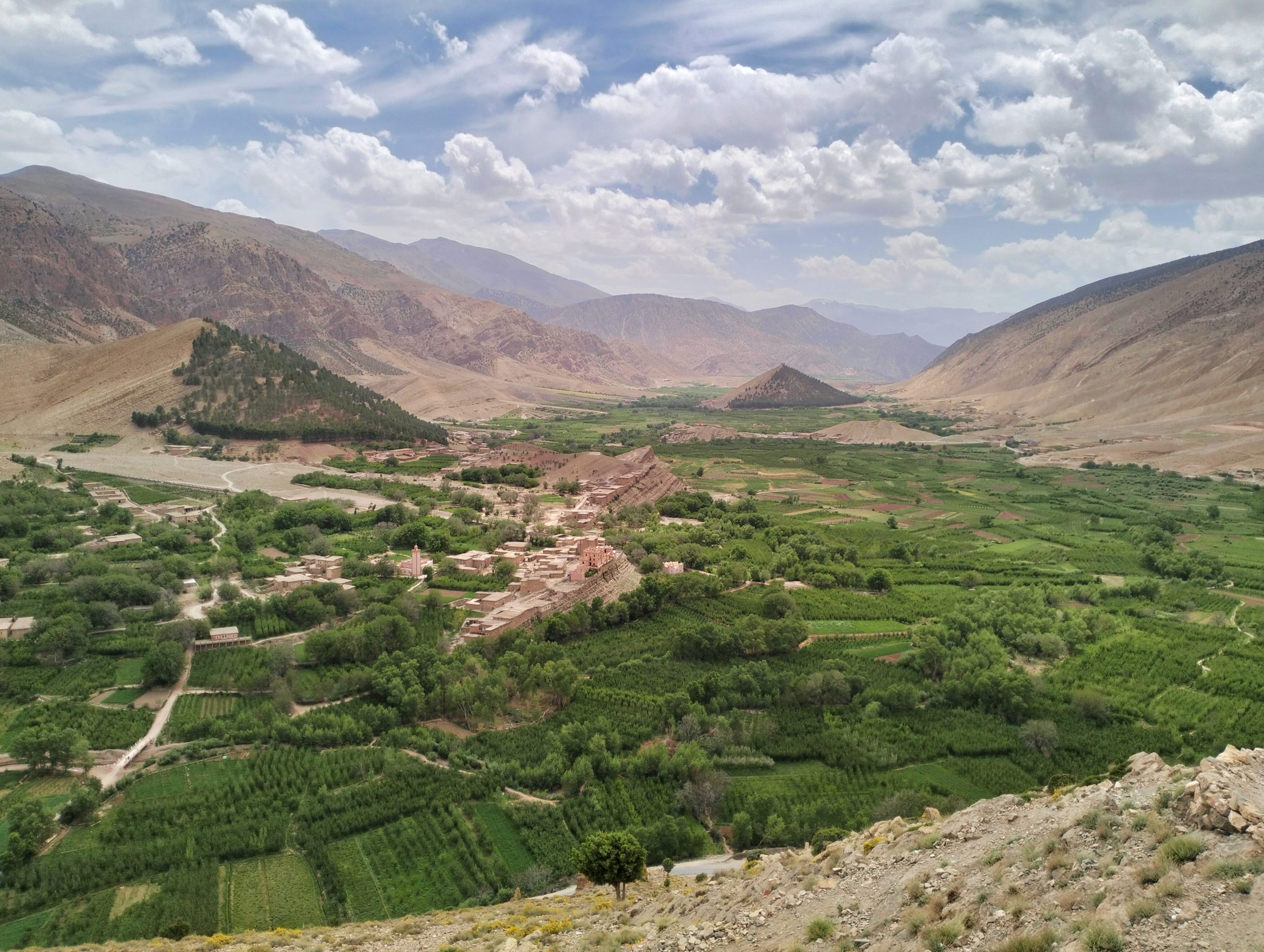
This trek offers an extraordinary journey through the heart of the High Atlas Mountains. You will explore some of Morocco’s most scenic and remote valleys. The adventure begins in the picturesque Zaouit Ahansal Valley. From here, you travel to the village of Taghya, famous for its impressive climbing rocks and towering cliffs. The views of the surrounding mountains are breathtaking, and travelers can enjoy the local markets and meet friendly villagers.

Passing the Izoughar Dry Lake

Next, the trek passes the Izoughar Dry Lake. This arid landscape contrasts beautifully with the lush greenery that follows. Soon, you enter the Ait Bougumez Valley, also known as the « Happy Valley. » This valley is filled with terraced fields, charming villages, and warm Berber hospitality. It is a perfect spot to experience local culture and traditional crafts.

Ascending Mount M’goun

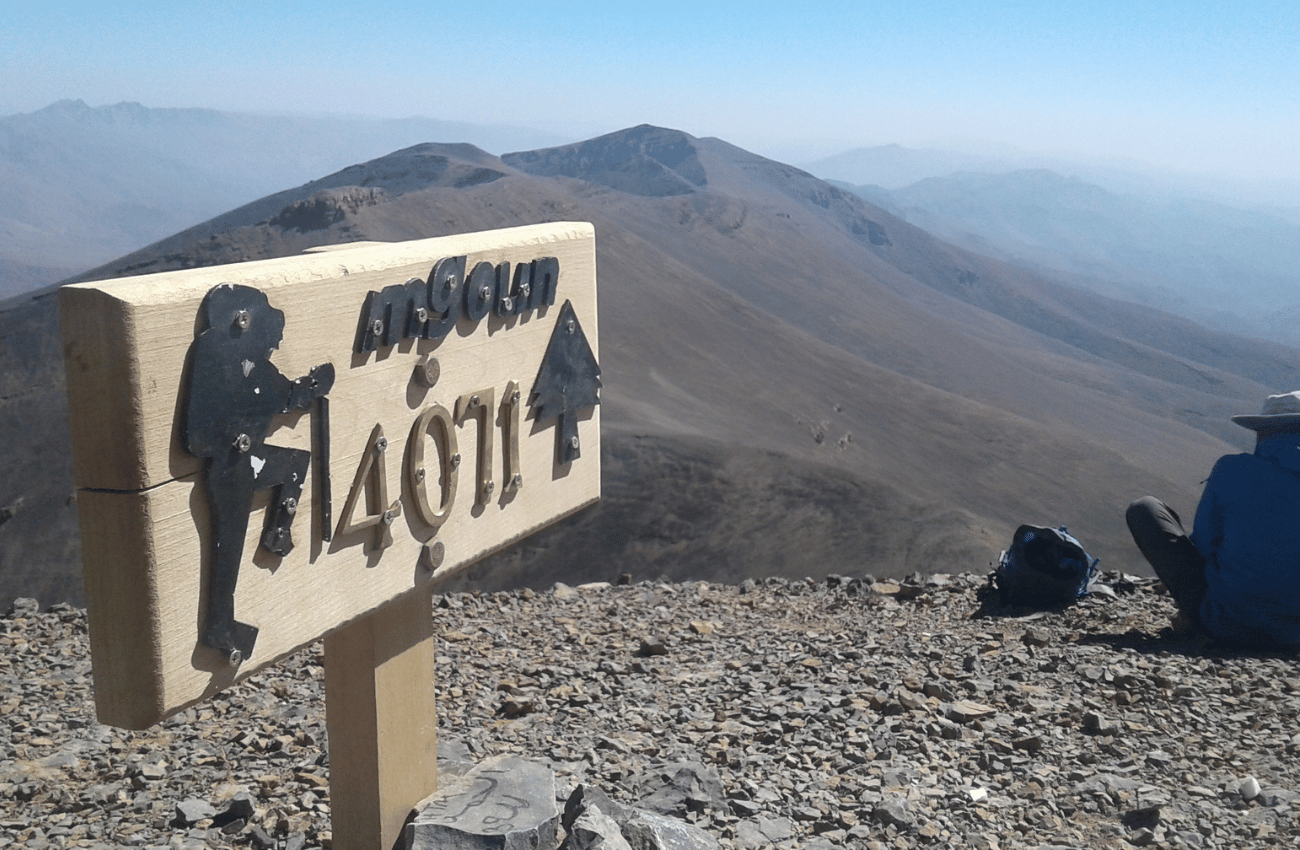
The route continues toward Mount M’goun, the second-highest peak in Morocco at 4,071 meters. The ascent is challenging but rewarding. Panoramic views of majestic peaks, deep valleys, and vast landscapes make it unforgettable. Hikers will also notice diverse flora and fauna unique to the High Atlas region.

Exploring Ouzighimt Valley and Gorges of Moun

After descending, you walk through the peaceful Ouzighimt Valley. This area offers solitude and striking landscapes. The path then leads to the Gorges of Moun, where towering cliffs and deep ravines create dramatic scenery. It is a natural wonder that will leave trekkers in awe.

Concluding in Roses Valley

Finally, the journey concludes in the Roses Valley. This valley is famous for its colorful rose fields and charming villages. Visitors can witness traditional rose harvesting, meet local farmers, and enjoy authentic rural life.

Cultural Encounters with Berber Communities

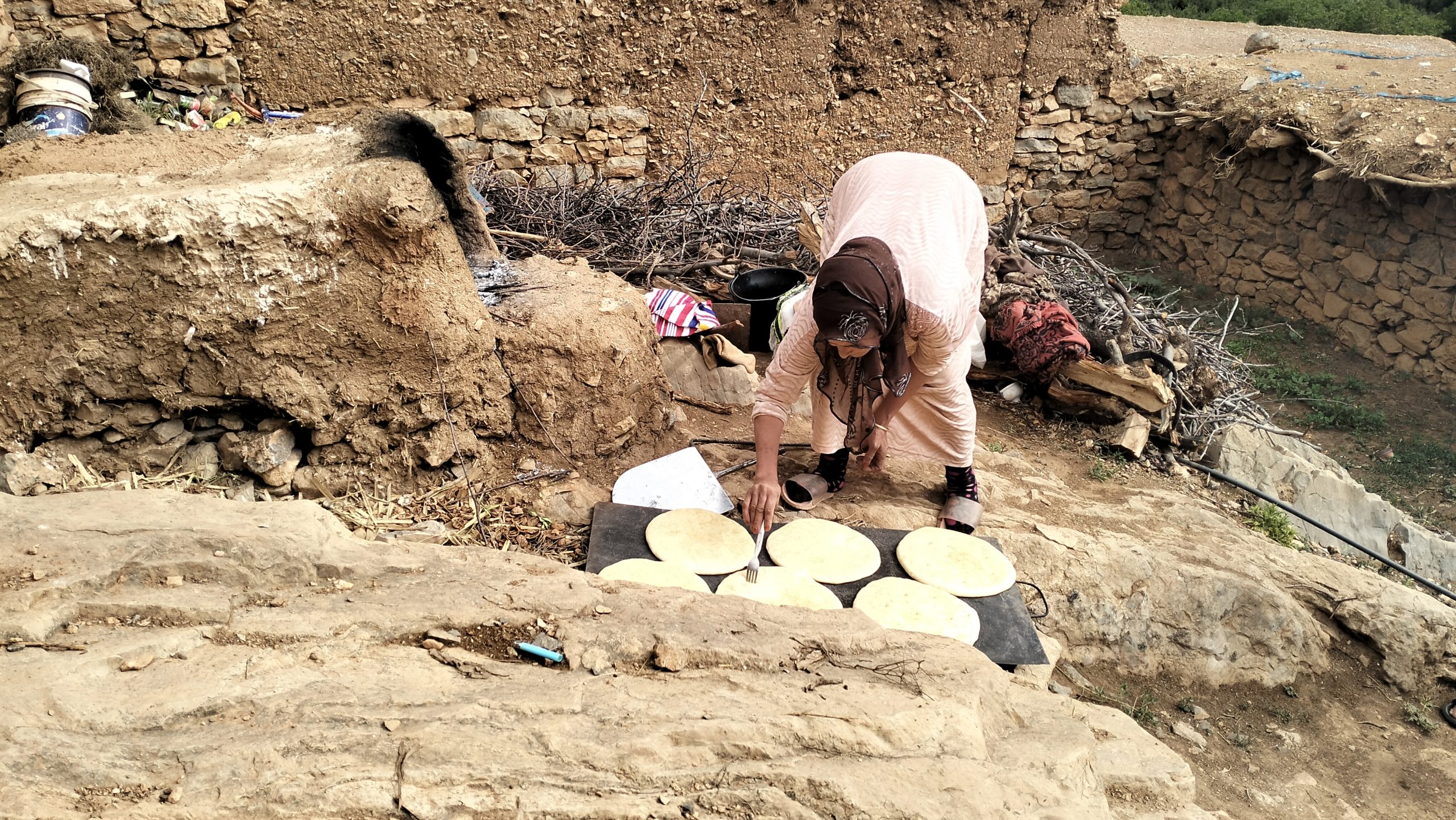
Throughout the trek, you are immersed in the rich culture of the Berber communities. Friendly villagers share stories, meals, and traditions. You experience the warmth and hospitality of mountain life firsthand.

A Journey of Adventure and Discovery

This trek combines adventure, culture, and natural beauty. From high peaks to green valleys and rose fields, every step reveals the unspoiled charm of the High Atlas Mountains. It is a journey that blends physical challenge with cultural discovery.


14 Day /From 995 Euros
1
Day1 : ARRIVAL DAY
Transfer: 15 minutes. Upon your arrival in Marrakech, you will be warmly welcomed by your guide, who will assist you with your transfer to the hotel. After check-in, depending on your arrival time, you will have some free time to explore the vibrant city of Marrakech at your own pace. Immerse yourself in the lively atmosphere of the souks, admire the intricate architecture of the medina, or simply relax and soak up the enchanting ambiance of this city. Your guide will be available to provide recommendations and assistance throughout your stay. Meals at your leisure.
2
Day 2 : MARRAKECH - AZILAL - TAGHIA
We begin our journey toward the Central High Atlas, passing through Azilal and Aït Mahmmed, surrounded by majestic mountain landscapes and deep valleys. In the early afternoon, we arrive at Zaouïat Ahansal, a strategic village with a rich history. After a short hike, we reach Taghia, a stunning red-earth village nestled in the heart of the “Moroccan Dolomites.” The walk offers breathtaking views of the Assif Ahansal valley and its spectacular limestone cliffs. We spend the night in a guesthouse in Taghia, at an altitude of 1700 meters, enjoying the tranquility and authenticity of this unique place.
  • Transfer: 5 hours.
  • Walking time : 2 hours
  • Accommodation: guesthouse.
  • Meals included: breakfast, lunch, dinner.
 
3
Day 3 : TAGHIA - TIZI N'TIGHBOULA
An Unforgettable Adventure in the Heart of the Moroccan Dolomites
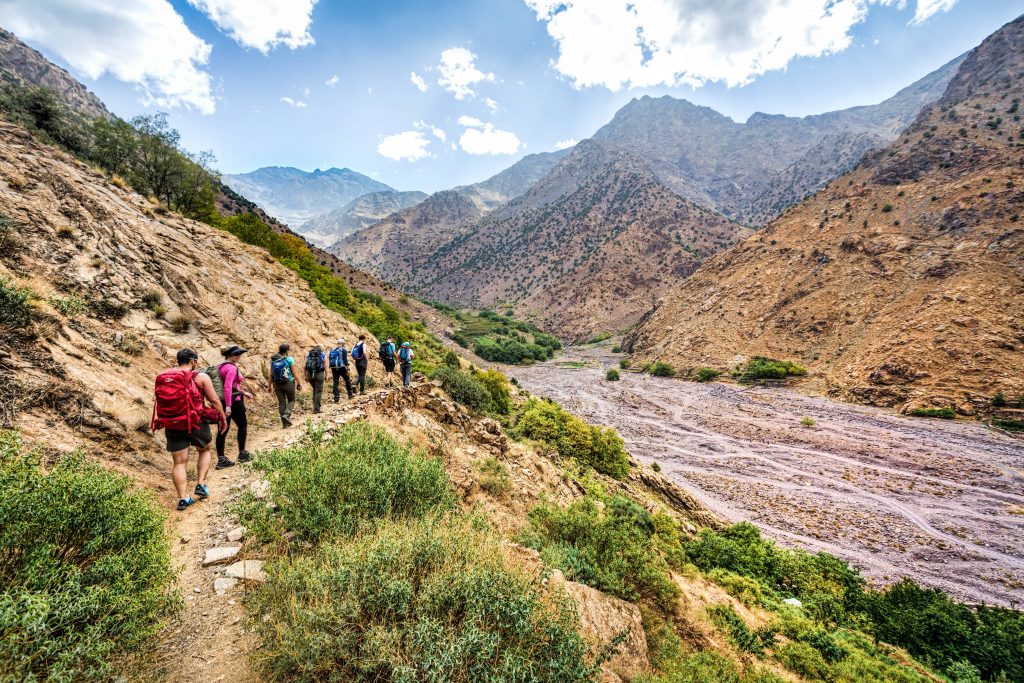
Prepare for a day of sheer wonder as we journey deep into the heart of the “Moroccan Dolomites,” a region renowned for its awe-inspiring landscapes and unrivaled beauty. From the very start, we are captivated by the iconic Taghia gorges, where towering cliffs in mesmerizing shades of ochre, pink, and gray rise dramatically against the sky. These natural masterpieces, framed by the deep blue of the mountains above, stand as a testament to the raw force of nature.Our path takes us along winding trails through alpine meadows, steadily ascending toward the high plateaus. As we rise higher, we encounter shepherds guiding their flocks through these remote lands, as well as the nomadic Aït Atta people, who have lived in harmony with this untamed landscape for generations. Their presence offers a unique glimpse into their traditional way of life, adding a rich cultural dimension to the adventure. In the afternoon, we reach Tizi n’Tighboula, a stunning mountain pass at an elevation of 3032 meters. The views from here are simply breathtaking vast, open skies and the surrounding peaks create a serene and almost otherworldly atmosphere. We set up camp in this peaceful spot, surrounded by the tranquility of the high plateaus. As the sun begins to set, the sky bursts into a symphony of fiery oranges and crimson hues, painting a perfect end to an unforgettable day.The physical challenge of the hike a 1050 meter ascent and 150 meter descent over 7 hours offers its own reward: a deep sense of achievement, enhanced by the incomparable beauty of the landscape around us. This journey is one that will stay with you forever, etched in your memory as an experience of both challenge and wonder.
  • Ascent: 1050 m
  • Descent: 150 m
  • Walking time: 7 hours
  • Accommodation: Tents
  • Meals included: Breakfast, lunch, dinner
4
Day 4 : TIZI N'TIGHBOULA - IZOUGHAR LAKE
Following the eastern route of Djebel Azourki (3,637 m), we ascend to the Tizi n’Illaz pass (2,905 m). The climb takes us through rugged trails, offering panoramic views of the surrounding peaks and valleys. Once at the pass, the landscape opens up, revealing the beauty of the High Atlas Mountains. The descent unfolds gradually, taking us across expansive high plateaus. Along the way, we encounter numerous camps of nomadic shepherds, a testament to the enduring pastoral lifestyle of this region. These camps offer a rare opportunity to observe the traditions and resilience of nomadic communities, who have lived in harmony with the harsh environment for generations. As we continue, we arrive at Lake Izourar (2,526 m), a seasonal gem nestled within the high-altitude plains. The lake is surrounded by lush grazing grounds, where flocks of goats and sheep peacefully roam. This tranquil setting not only sustains the livelihood of the nomads but also provides a stunning contrast to the rugged mountain terrain. The scene is a perfect harmony of natural splendor and the enduring cultural heritage of the High Atlas.
  • Meals : Breakfast , Lunch , Dinner
  • Accommodation  : tents
  • Ascent : 450 m
  • Descent : 650 m
  • Walking time: 5 hours and 30 minutes
5
Day5 : IZOUGHAR LAKE - ISKATTAFEN (BOUGUMEZ)
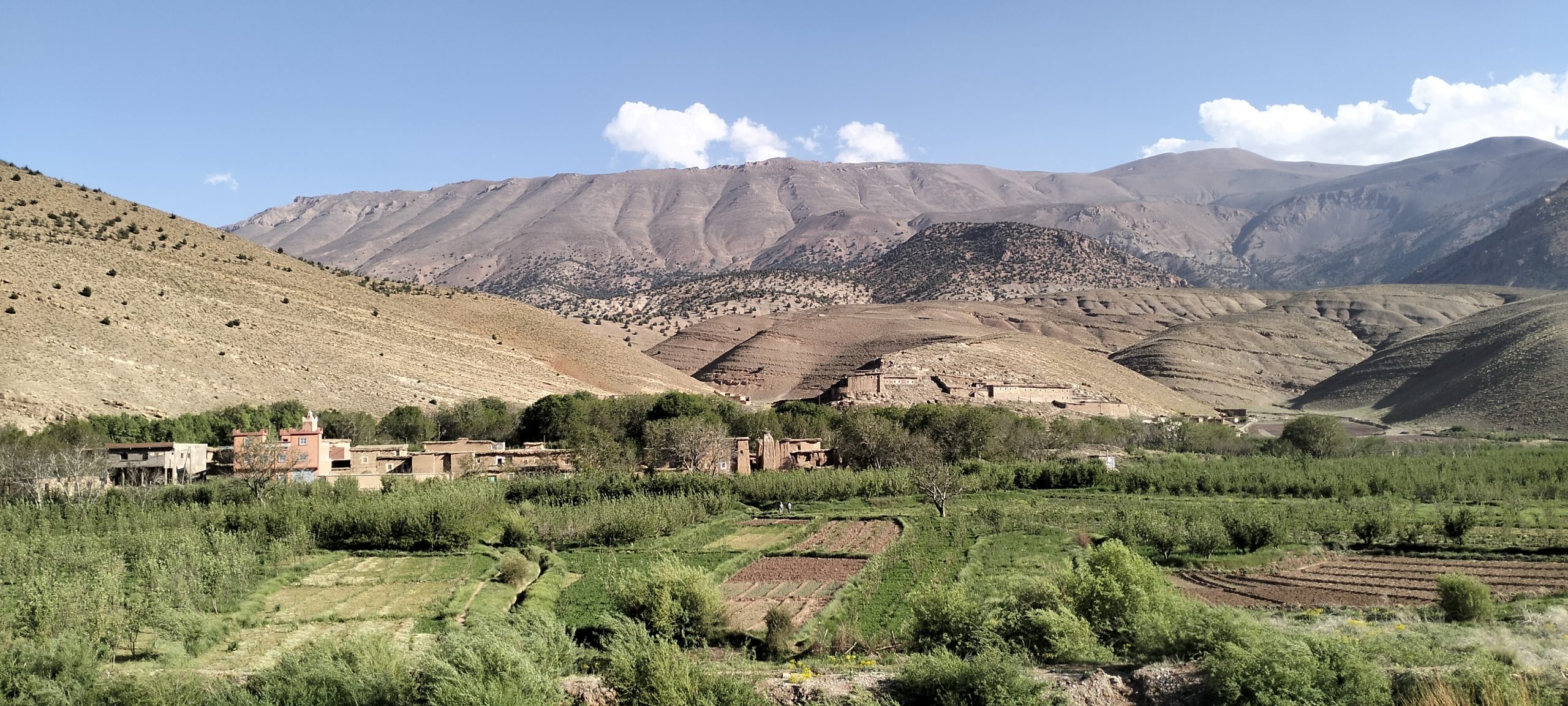
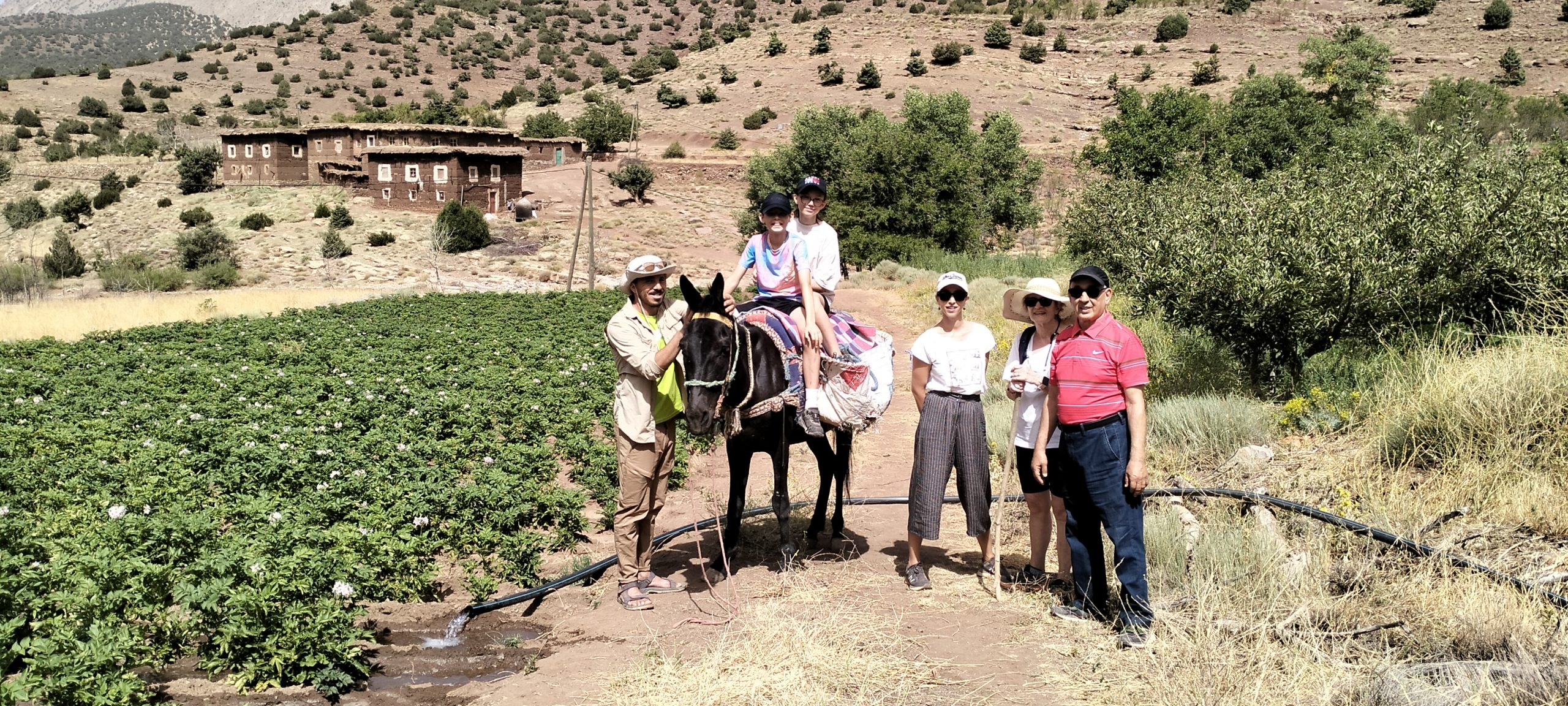
This stage immerses us in the beauty of the Upper Bougmez Valley, where we explore its charming villages: Zawyat Oualmzi, Ifrane, Aït Wanougdal, and Ikhf n’Ighrir. Each village is a gem, with dry-stone and adobe houses painted in warm ochre and yellow hues, nestled among lush irrigated fields. The villagers, largely dependent on traditional agriculture, live in harmony with the land, cultivating crops in terraced fields and grazing livestock. As we walk, the stunning backdrop of the High Atlas peaks adds a majestic touch to the pastoral scene. We spend the night in Iskattafen, enjoying the hospitality of a local guesthouse, surrounded by the tranquil beauty of the valley.
  • Meals: Breakfast, Lunch, Dinner
  • Accommodation: Guesthouse
  • Ascent: 450 m
  • Descent: 450 m
  • Walking time: 6 hours
6
Day 6 : ISKATTAFEN – IKKIS- N- AROUS
We follow the Bougumez Valley through a patchwork of green, yellow, and brown fields, crossing numerous small villages bordered by apple and walnut trees. Proud tighremt (traditional earthen houses) stand along the riverbanks. Along the way, we  discover dinosaur footprints and visit the Sidi Moussa sanctuary , home to a unique, circular-shaped granary. After lunch in Ait Said village , We then ascend to Azib Ikkis through the Arous Gorges, where we camp at an altitude of around 2350 meters.
  • Accommodation: Tents
  • Meals: Breakfast, Lunch, dinner
  • Ascent: 550 m
  • Descent: 120 m
  • Walking time: 7 hours
7
Day7 : IKKIS- N- AROUS - TARKEDIT PLATEAU
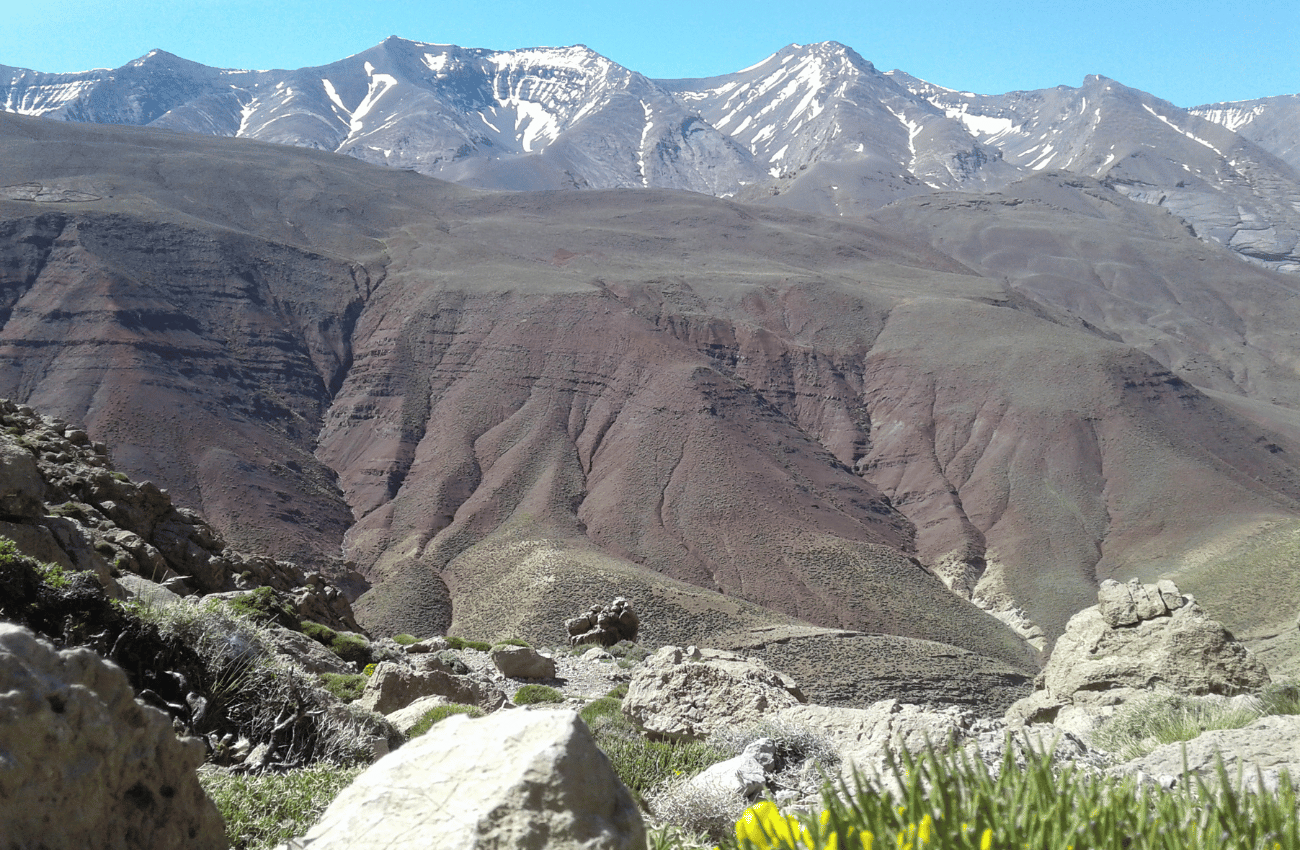
We leave the lush, verdant valleys behind for a more rugged mountain atmosphere. Our journey takes us upward, as we ascend to Tizi n’Oughri at 3,375 meters, where we encounter transhumant shepherds and their summer flocks grazing in the stone-built azibs (temporary shelters). These shepherds, who move with the seasons, offer a fascinating glimpse into the ancient pastoral lifestyle that has shaped the region for centuries. The sound of bells from the herds and the sight of the shepherds tending to their flocks create an authentic connection to the high-altitude landscape. After this enriching encounter, we begin our descent toward the Tarkeddit plateau, with its sweeping meadows. The vastness of the plateau, dotted with wildflowers and grasses, offers a serene contrast to the previous rugged terrain. We set up camp at an altitude of 2,900 meters, at the foot of Mount M’goun, the highest peak in the region (4071m). The towering mountain above, combined with the peaceful surroundings, provides an unforgettable setting for a restful night under the stars.
  • Accommodation: Tents
  • Meals: Breakfast, Lunch, Dinner
  • Ascent: 1050 m
  • Descent: 450 m
  • Walking time: 5 hours
8
Day 8 : M'GOUN ( 4071m) - OLILIMTE
  We start very early to reach the long ridge of Ighil M’Goun, which we follow all the way to the summit at 4,071 meters. This limestone mountain is rich in seashells and has many fossils scattered along the ridge , from the summit a great and unforgettable view over the mountains and valleys , We then make a fast descent through vast scree slopes to Oulilimt, near the first springs of the Assif M’Goun, where we set up camp. Those who prefer can take the mule path and skip the ascent to the M’Goun summit.
  • Meals: Breakfast, Lunch, Dinner
  • Ascent : 1,200 m
  • Descent : 1,270 m
  • Hiking time: 8 hours.
9
Day 9: OLILIMTE - AFLAFAL
As we move eastward, the landscape gradually changes. Fairy chimneys rise along the Oulilimt stream, while thuja junipers cling to the valley slopes leading to the Aflafal spring, known as the "magic source," at an altitude of 2,300 meters. In the evening, we share a moment with the shepherds of the M’Goun Valley before setting up camp for the night.
  • Meals: Breakfast, Lunch, Dinner
  • Ascent : 400 m
  • Descent : 700 m
  • Hiking time: 5 hours
10
Day 10 : AFLAFAL – IMI – N – IRKT
As we gradually leave the high mountain landscapes behind, we descend into the upper and narrow M’Goun Valley, known as Ouzighimt. Here, life clings to the rugged terrain, where cultivated fields are carefully laid out on narrow terraces, following the contours of the valley. Small, isolated hamlets nestle at the foot of the ridges of Jebel Wawgoulzat, their stone and earth houses blending seamlessly with the ochre and brown hues of the mountains.Along the way, we catch glimpses of daily life in this remote valley. Women, their long black hair braided and tied up in traditional fashion, rarely venture beyond their village boundaries. Instead, they tend to their homes and fields, while men and children can be seen working the land or leading their flocks to graze on the sparse vegetation of the slopes.As the day draws to a close, we set up camp in the village of Imi-n-Irkt, nestled at an altitude of 1,900 meters. The air is crisp, and the sky takes on a golden glow as the sun sets behind the rugged peaks. We unwind, enjoying the peaceful atmosphere of this secluded valley, before settling in for the night under a starlit sky.
  • Meals: Breakfast, Lunch, Dinner
  • Ascent : 500 m
  • Descent : 400 m
  • Hiking time: 6 hours
11
Day 11 : IMI - N - IRKT - M’GOUN GORGES – TIGHANIMINE
We continue our journey through more villages clinging to the mountainsides. Beyond Imi n’Irkt, the valley narrows dramatically, leading us into a wilder and more rugged landscape. The M’Goun Gorges are beyond words an awe-inspiring blend of raw beauty and untouched wilderness.As we progress, we traverse the suspended passage known as Asderm n’Sidi Hmad, a thrilling pathway offering breathtaking views of the towering cliffs. Soon, we reach the most spectacular section of the gorges, known as Achaâbou or "The Pipe." This grand canyon, with its sculpted and eroded rock walls soaring nearly 500 meters high, creates a natural cathedral of stone. Along the riverbanks, clusters of pink oleander bushes add splashes of color to the otherwise stark and dramatic landscape.In some sections, the gorge narrows to just a few meters wide, enveloping us in a surreal atmosphere where the towering rock faces seem to close in. The echoes of the flowing water and the occasional calls of birds heighten the sense of adventure, making every step feel like a passage through an ancient, hidden world. Emerging from the gorges, we arrive at the natural amphitheater of  the Tighanimine village, where the valley opens up once more. Here, in this peaceful setting, we set up our camp for the night, surrounded by the towering cliffs and the timeless beauty of the High Atlas.
  • Meals: Breakfast, Lunch, Dinner
  • Descent : 300 m
  • Hiking time: 6 hours
12
Day 12 : TIGHANIMINE – BOUTAGHRAR
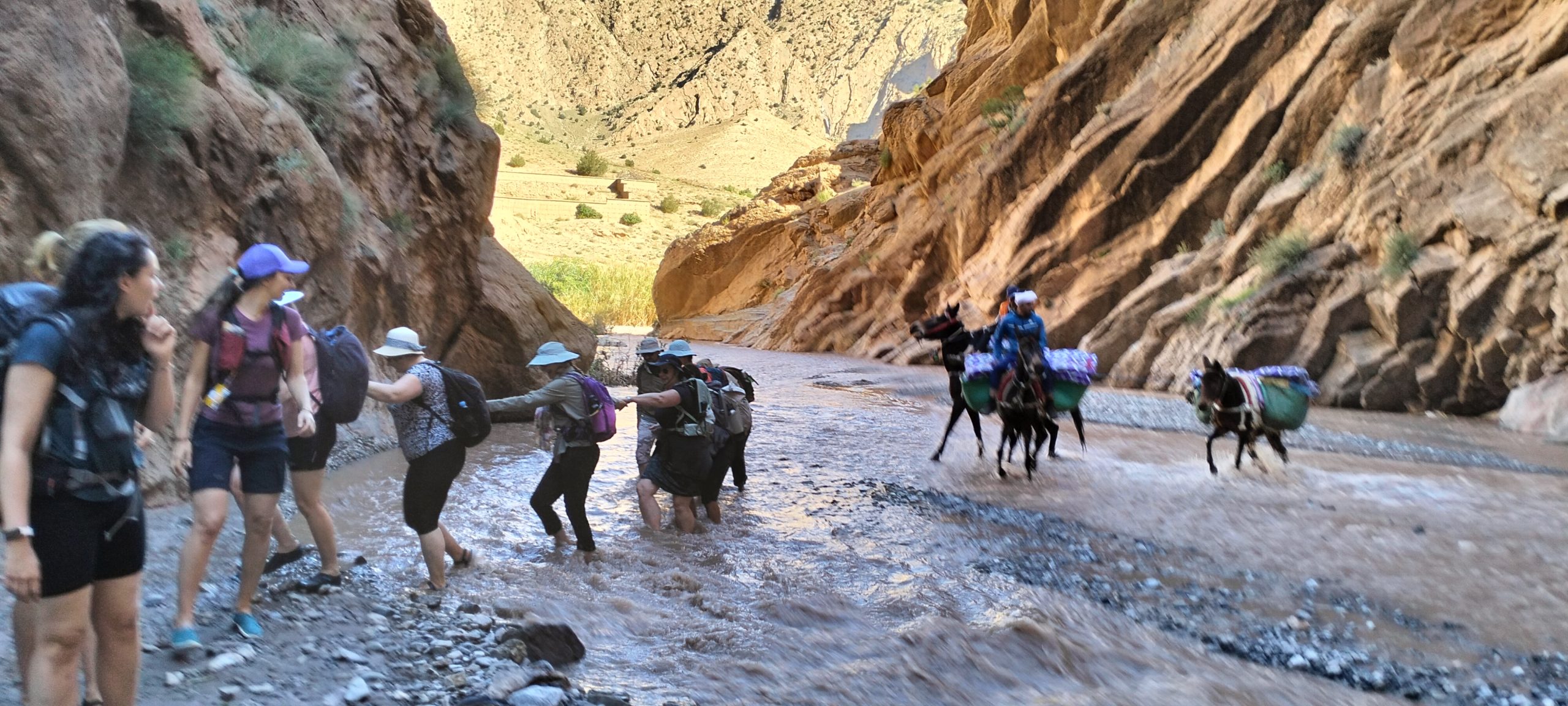
We venture into a winding river, navigating through narrow gorges and towering cliffs that seem to touch the sky. The landscape is both dramatic and humbling, shaped by the relentless force of water and time. Along the way, we encounter the Berber mountain people, who have adapted to life in this remote and rugged terrain. Their homes, simple yet resilient, blend harmoniously with the austere mountains, where no roads can penetrate. Here, life follows the rhythm of nature, far from the noise of the modern world.A significant part of our passage through the gorges takes us directly into the water, where the riverbed becomes our path. At times, the water rises to mid-thigh, adding an adventurous touch to the experience. The cool, clear water contrasts with the sun-scorched rock walls, offering a refreshing challenge as we move deeper into the heart of this hidden paradise.As the day draws to a close, we leave the rugged gorges behind and arrive in Boutaghrar, a stunning ochre-hued village nestled amidst the mountains. The village, with its traditional earthen houses and terraced fields, exudes a quiet charm, reflecting the timeless beauty of Berber architecture. We settle into a cozy gîte for the night, where we can relax and reflect on the incredible landscapes we have traversed.
  • Meals: Breakfast, Lunch, Dinner
  • Descent : 200 m
  • Hiking time: 6 hours
13
Day13 : BOUTAGHRAR - MARRAKECH
Our vehicles arrive to pick us up, marking the end of our trek, but the journey is far from over. As we set off toward Marrakech, we traverse the breathtaking Dadès Valley, a land of dramatic rock formations, lush oases, and fortified villages. This region, known as the Valley of a Thousand Kasbahs, is steeped in history, with its ancient earthen fortresses standing as silent witnesses to centuries of trade and tradition.Continuing along the famous Kasbah Route, we pass through a landscape shaped by both nature and Berber craftsmanship. Towering mud-brick kasbahs rise against the backdrop of the rugged mountains, their intricate facades glowing in warm ochre tones under the morning sun. The journey is a feast for the eyes, offering a final immersion into the soul of southern Morocco.We then ascend towards the Tizi n’Tichka Pass (2,260 m), the highest road pass in the Atlas Mountains. The road winds through spectacular scenery, revealing breathtaking panoramas at every turn. At the summit, we take a moment to appreciate the vastness of the mountains before beginning our descent into the fertile El Haouz plain, where Marrakech gradually emerges on the horizon. By the afternoon, we arrive in Marrakech, where we check into our hotel. The vibrant city welcomes us back with its lively streets, bustling souks, and the ever-present hum of daily life. The evening is free to explore at your own pace perhaps wandering through the medina, relaxing in a traditional hammam, or simply savoring a cup of mint tea on a rooftop terrace as the sun sets over the Red City.
  • Meals Included: Breakfast & Lunch
  • Dinner: Free
  • Transfer : 6 to 7 hours
14
Day 14 : Departure Day
Depending on your flight schedule, you may have some extra time to soak in the vibrant atmosphere of Marrakech before your departure. Take a final stroll through the bustling streets, letting the sights, sounds, and scents of the Red City leave a lasting impression.Perhaps you'll wander through the labyrinthine alleys of the medina, where artisans craft their wares, or enjoy a peaceful moment in one of the city's lush gardens. If time allows, sip a last glass of fresh mint tea on a rooftop terrace, gazing over the ochre rooftops as the city hums with life below. When the time comes, your driver will transfer you to the airport, ensuring a smooth journey as you bid farewell to Morocco. With memories of majestic mountains, golden dunes, and timeless kasbahs, you board your flight home, carrying with you the spirit of adventure and the warmth of Moroccan hospitality. Safe travels and see you again for another adventure!    

Note : 

The indicated walking durations (or other activities) are provided as estimates and may vary due to various factors such as weather conditions, terrain, or the pace of the group. Transfer times can also fluctuate based on road conditions and traffic. In the event of unforeseen circumstances such as weather challenges, flight delays, or decisions made by local authorities we reserve the right to adjust the itinerary to ensure the smooth progression of your trip and the safety and comfort of all participants. Our priority is to create an experience that remains enjoyable and safe, even if some changes are necessary along the way. Your understanding and flexibility are greatly appreciated, as these adjustments are made with your best interests in mind. We are committed to providing you with an unforgettable journey while ensuring the highest level of service and care.    

TOUR LOCATION

0.0
Accomodation0%
Destination0%
Meals0%
Overall0%
Transport0%
Value For Money0%

POST A REVIEW

✅ Included

  • Airport pick-up and transfer to the hotel

  • All transfers in a private tourist minibus

  • Accommodation in hotels, riads, guesthouses or bivouacs

  • Full board during the tour (meals included)

  • Assistance of a professional local team (guide, cook, muleteers, drivers)

  • All the necessary logistics for the smooth running of the trip

❌ Not Included

  • International flight

  • Travel insurance

  • Drinks and personal expenses

  • Tips for the team

  • Entrance fees to monuments (if not specified in the program)

  • Meals in Marrakech

Practical Information – EPIC CROSSING OF THE CENTRAL HIGH ATLAS

Duration: 14 days (including 11 days of trekking)
Level: 4 – Moderate to Challenging
Good physical condition required.
Climbing Mount M’Goun (4,071 m) is possible without technical experience but requires significant physical effort.

Accommodation

— Marrakech (2 nights): 3-star hotel (local standards). Twin rooms with private bathrooms.
The hotel usually features a spa and outdoor pool. Conveniently located in the Guéliz district (modern Marrakech), it is ideal for a night at the start and end of the trek. Local restaurants are nearby, and major city attractions are easily accessible. The famous Jemaa el-Fna square is about a 35-minute walk.

— Taghia Village (1 night): Simple guesthouse. Large, clean shared rooms; shared bathroom facilities.

— Iskattafen Village (1 night): Simple guesthouse. Large, clean shared rooms; shared bathroom facilities.

— Boutaghrar Village (1 night): Guesthouse or small hotel. Private rooms with showers and toilets.

— Remaining nights: Tented accommodation (2-person tents with mattresses).

Meals

— Breakfast: Hearty breakfast with coffee, tea, hot chocolate, jam, butter, bread, and cereals.

— Lunch: Prepared by the cook using carefully selected local ingredients.

— Dinner: Soup, main dish (tajine, couscous, rice, etc.), dessert, and tea or herbal infusion.

— Snacks: Energy foods such as dates, peanuts, pralines, and biscuits are provided throughout the day.

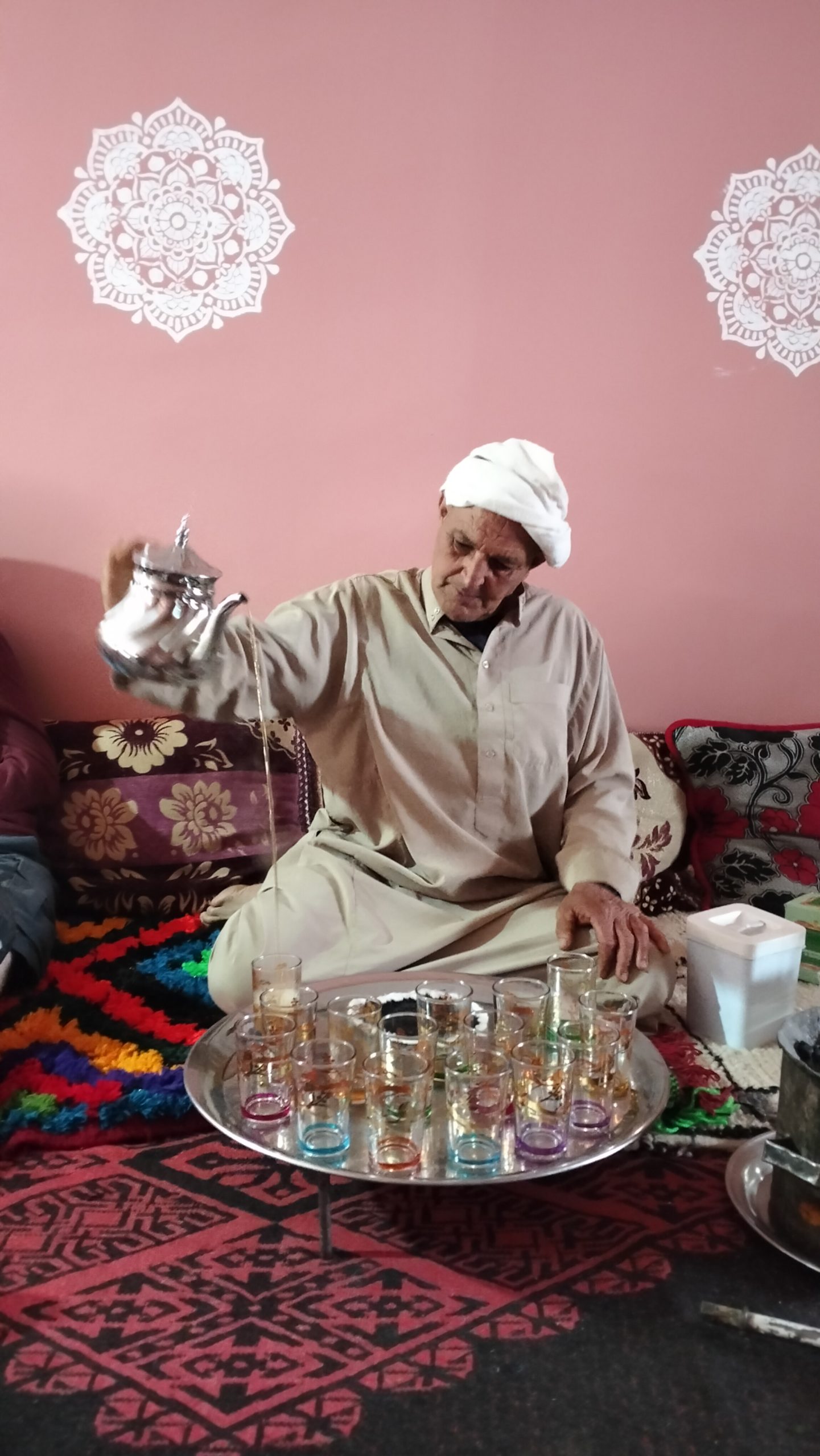
— Upon arrival at camp: Mint tea and biscuits.

Drinks: Tap, well, or spring water in Morocco is not recommended for direct consumption. For ecological reasons, bring a personal water bottle (preferably insulated), water purification tablets, or a filter bottle. Several natural water sources are encountered along the trek.

Tipping

Tipping is part of Moroccan culture and is considered normal practice.
It is a gesture of appreciation for the team and is particularly valued by guides, cooks, muleteers, and camel handlers.

Suggested amounts:

  • Around €40 per person for a one-week trek

  • Around €60 per person for a two-week trek

We recommend distributing tips in separate envelopes for the guide, cook, and mule/camel team.

Transportation

Transfers are by minibus. All vehicles used in the field are approved for tourist transport and reserved for your group.
Seat belts are mandatory for both front and rear passengers.

Your Equipment

All personal belongings are divided between a daypack (carried during trekking) and a larger travel bag (locked, transported by the logistics team).

Basic equipment:

  • Breathable underwear (quick-drying)

  • Fleece jacket

  • Waterproof and breathable jacket

  • Trekking pants

  • Thermal leggings

  • Hat and gloves (for cold evenings and the ascent)

  • Cap or sunhat

  • Sunglasses (minimum category 3, category 4 for high mountain)

  • Rain poncho

  • Minimum 2-liter water bottle (or hydration bladder)

  • Pocket knife

  • Water purification tablets (Micropur)

  • Toilet paper and lighter (for safe disposal)

Footwear and technical gear:

  • Waterproof, high-ankle trekking boots with good grip (Contagrip or Vibram soles recommended)

  • Headlamp

  • Telescopic trekking poles

Sleeping gear:

  • Sleeping bag (comfort: –10°C / –5°C in May/November, –5°C / +5°C in summer)

  • Liner sheet

Bags:

  • Daypack: 30–40 liters, wide straps, adjustable ergonomic frame

  • Travel bag: 80–100 liters, maximum 12 kg, soft, carried by mules or vehicles

Miscellaneous:

  • Change of clothes

  • Toiletry kit and towel

  • Swimsuit and beach towel

  • Nightwear

  • Plastic bags to protect belongings

  • Needle and thread

  • Anti-theft pouch for documents, cash, and insurance papers

Note: Drones are prohibited in Morocco.

Luggage Transport

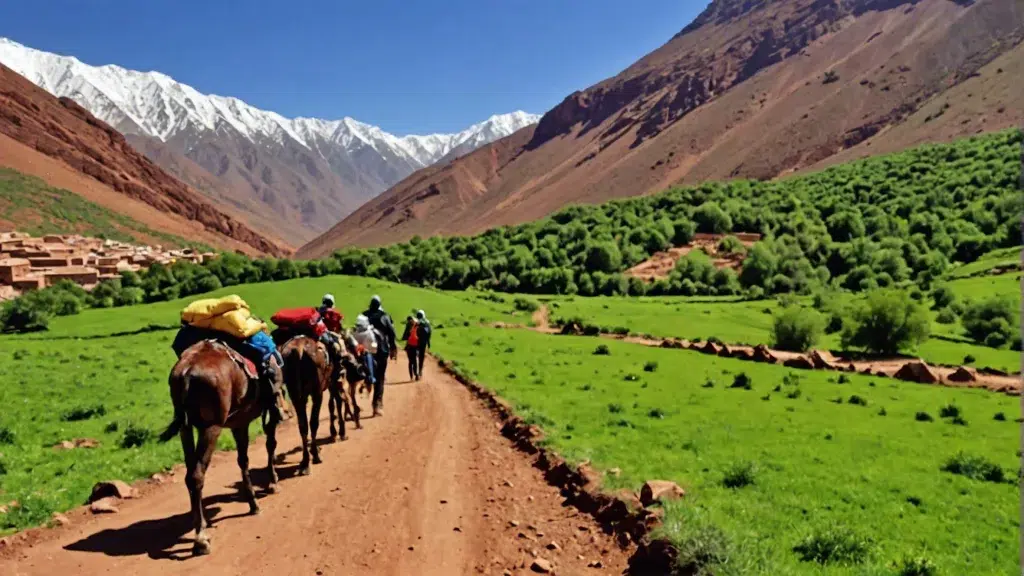
Main luggage (max. 12 kg) is carried by mules.
You only carry a light daypack with your personal belongings for the day.

Currency

The Moroccan Dirham (MAD) is the local currency.
 exchange rate (indicative): 1 € ≈ 10 MAD.
We recommend bringing cash in euros , pounds or Dollars to exchange locally (airports, hotels, banks).
ATMs are available in major cities, including Marrakech airport arrivals hall (Visa, Mastercard accepted).
Credit cards are widely accepted in shops, boutiques, and restaurants in urban areas.