Morocco Destination Guide
Marrakech
The Red CityWhere Morocco
First Takes Hold
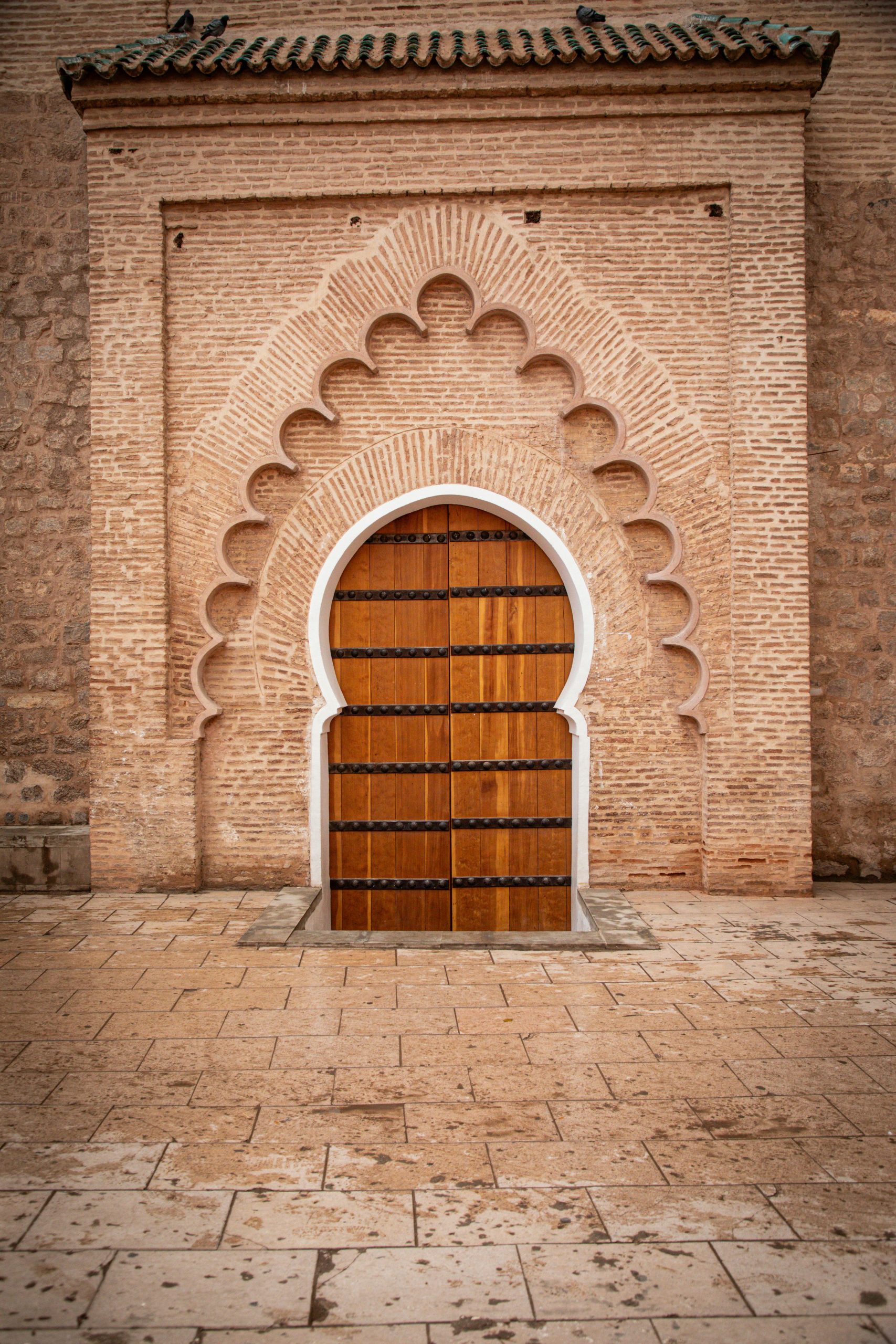
Marrakech is where most people fall in love with Morocco and the reason is not difficult to understand. The city assaults every sense at once ; the smell of cumin and rose water drifting from the souks, the sound of the call to prayer echoing across the rooftops, the sight of the Koutoubia minaret rising above the orange groves and the warmth of the terracotta walls that give the Red City its name.
Founded in 1062 by the Almoravid dynasty, Marrakech has served as the capital of Morocco four times. The 12th-century Koutoubia set the template for the minarets of Seville and Rabat. The Saadian Tombs were sealed for two centuries and only rediscovered in 1917. The 19th-century Bahia Palace is one of the most extraordinary examples of Moroccan decorative art in the world.
At the heart of the city is Djemaa el-Fna, a UNESCO Intangible Cultural Heritage square that transforms each evening into one of the most extraordinary outdoor spectacles on earth, with acrobats, storytellers, musicians, snake charmers and food vendors filling the open space as the sun falls behind the Atlas Mountains.
Quick Facts
What to See
and Do
The essential landmarks, hidden corners and unmissable experiences of the Red City.
Djemaa el-Fna
The most extraordinary public square in Africa and a UNESCO Intangible Heritage site. By day, juice vendors and henna artists. By evening, a vast open-air theatre of musicians, storytellers, acrobats and food stalls running late into the night.
Koutoubia Mosque
The 12th-century minaret of the Koutoubia is the spiritual and architectural heart of Marrakech. At 70 metres it served as the template for the minarets of Seville Cathedral and the Hassan Tower in Rabat. The surrounding gardens are beautiful at any hour.
The Souks
The covered souks are a labyrinth of specialised craft quarters. Coppersmiths, dyers, leather workers, spice merchants, carpet weavers, woodcarvers and jewellers ; each quarter has its own atmosphere, sounds and smells that set it apart.
Bahia Palace
Built in the late 19th century, the Bahia Palace is one of the finest examples of Moroccan decorative art in the world. Its 8,000 square metres of carved plaster, painted cedarwood ceilings, zellij tilework and peaceful garden courtyards are extraordinary at every turn.
Saadian Tombs
The Saadian Tombs were sealed behind a mosque wall and remained hidden for two centuries until rediscovered in 1917. The interior decoration, with its carved plaster and Italian marble columns, is among the most refined in all of Morocco.
Majorelle Garden
Created by French painter Jacques Majorelle in the 1920s and lovingly restored by Yves Saint Laurent in 1980, the Majorelle Garden is an extraordinary oasis of cobalt-blue buildings, exotic cacti, bamboo groves and vivid bougainvillea in the heart of the Ville Nouvelle.
How to Make the
Most of Your Time
Marrakech rewards those who go beyond the obvious. These are the experiences our guides recommend to every visitor.
Moroccan Cooking Class
Begin in the spice souks selecting fresh ingredients, then spend a morning in a traditional riad kitchen learning to prepare a classic tagine, Moroccan salads and pastilla. One of the most hands-on ways to connect with Moroccan culture.
Hot Air Balloon at Sunrise
Rise before dawn to drift silently above the Haouz Plain as the sun rises over the Atlas peaks. The view of Marrakech from above, surrounded by palm groves and ancient irrigation channels, is one of the most beautiful in Morocco.
Traditional Hammam
The hammam is one of the most important social institutions in Moroccan life. A traditional hammam in Marrakech, with black soap scrub and argan oil massage, is both deeply relaxing and genuinely cultural ; at the centre of Moroccan daily life for over a thousand years.
Carriage Ride Through the Medina
A horse-drawn carriage ride around the medina ramparts is one of the great simple pleasures of Marrakech. The 19 kilometres of pink pisé walls are best appreciated at an unhurried pace, especially at dusk when the walls glow in the golden hour light.
When to Visit
Marrakech
Marrakech's climate varies dramatically across the year. The best times to visit are spring and autumn. Summers are extremely hot and best avoided for sightseeing. Winter is cool and pleasant with occasional rain.
March to May. Perfect 20 to 28°C. Gardens in bloom, Atlas still snow-capped. Ideal for sightseeing and day trips.
June to August. Temperatures regularly exceed 40°C. Sightseeing is challenging. Best for those wanting the city in its most local, unhurried form.
September to November. Temperatures cool to 22 to 30°C. Golden light and a wonderful energy as the city comes back to life after summer.
December to February. Cool 15 to 20°C with occasional rain. Snow on the Atlas is spectacular. Christmas and New Year are busy but beautiful.
Journeys That
Include Marrakech
Marrakech features as the starting point for most of our private journeys. Here are a few of the experiences you can build around it.
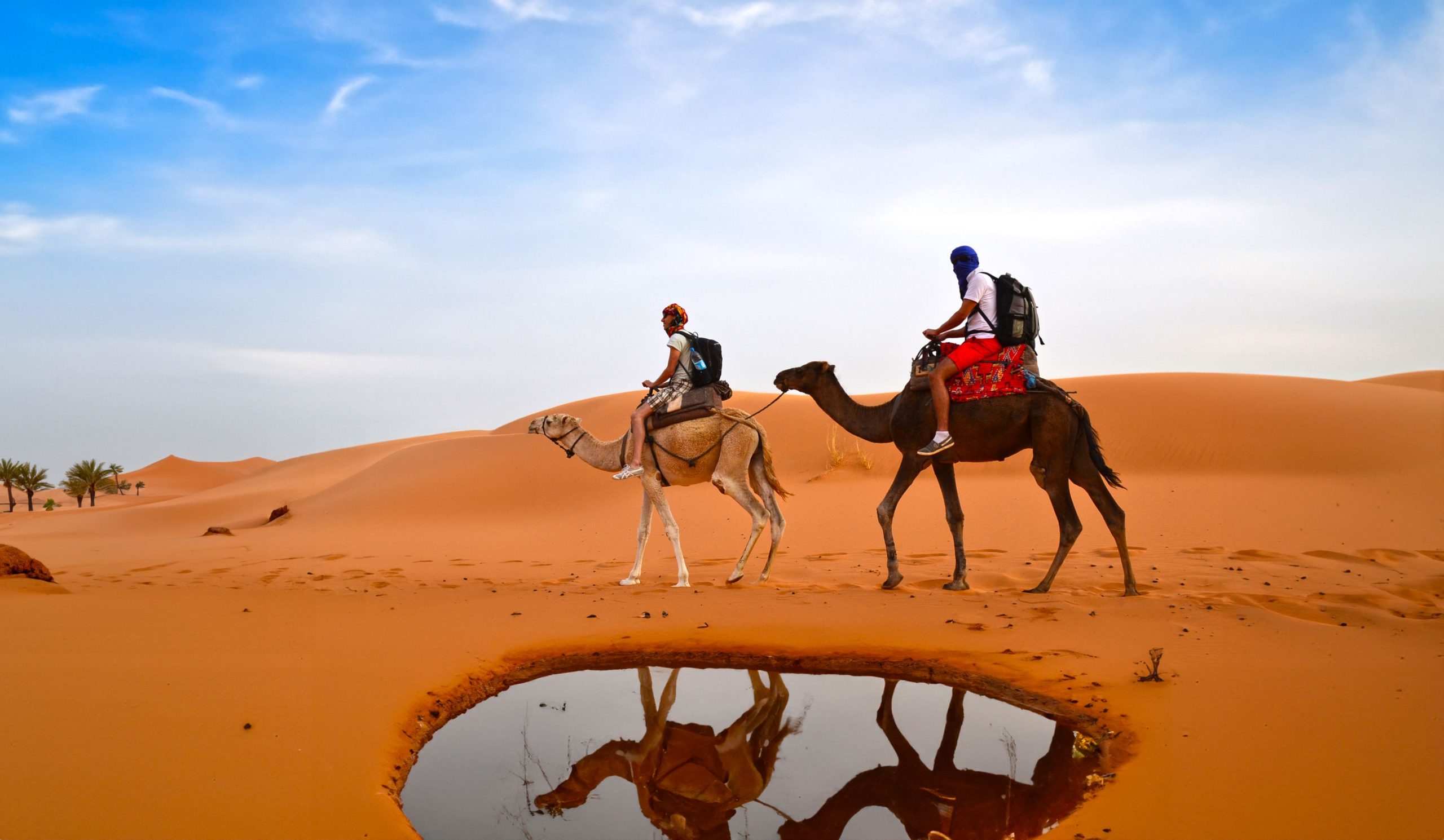 8 Days
Marrakech and the Sahara Desert
From Marrakech south through Ait Benhaddou and the Draa Valley to two nights at the remote Erg Chegaga desert camp.
View Journey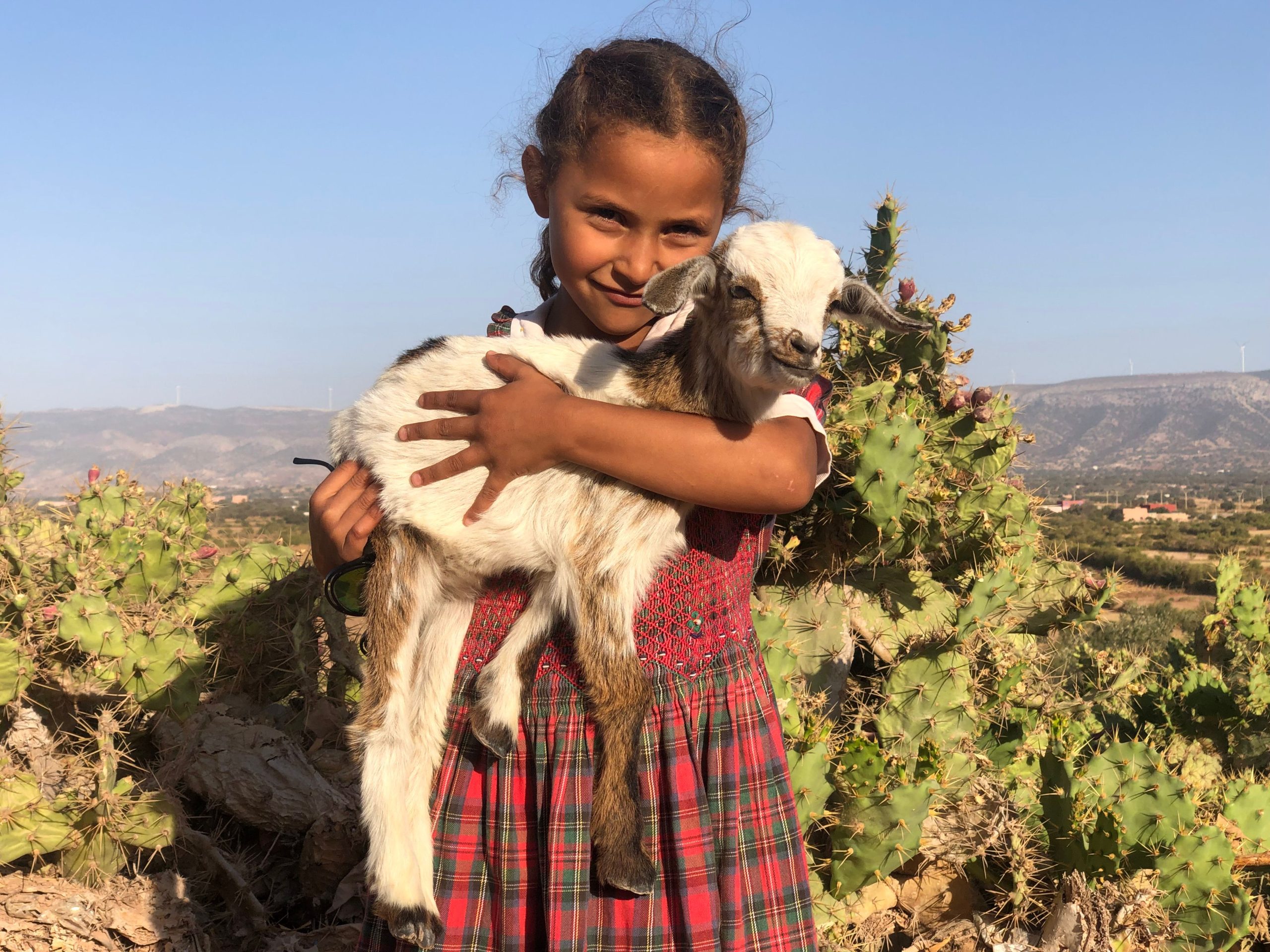 9 Days
Morocco Family Adventure
Three nights in Marrakech with family activities, then Imlil Valley, Agafay Desert and Essaouira.
View Journey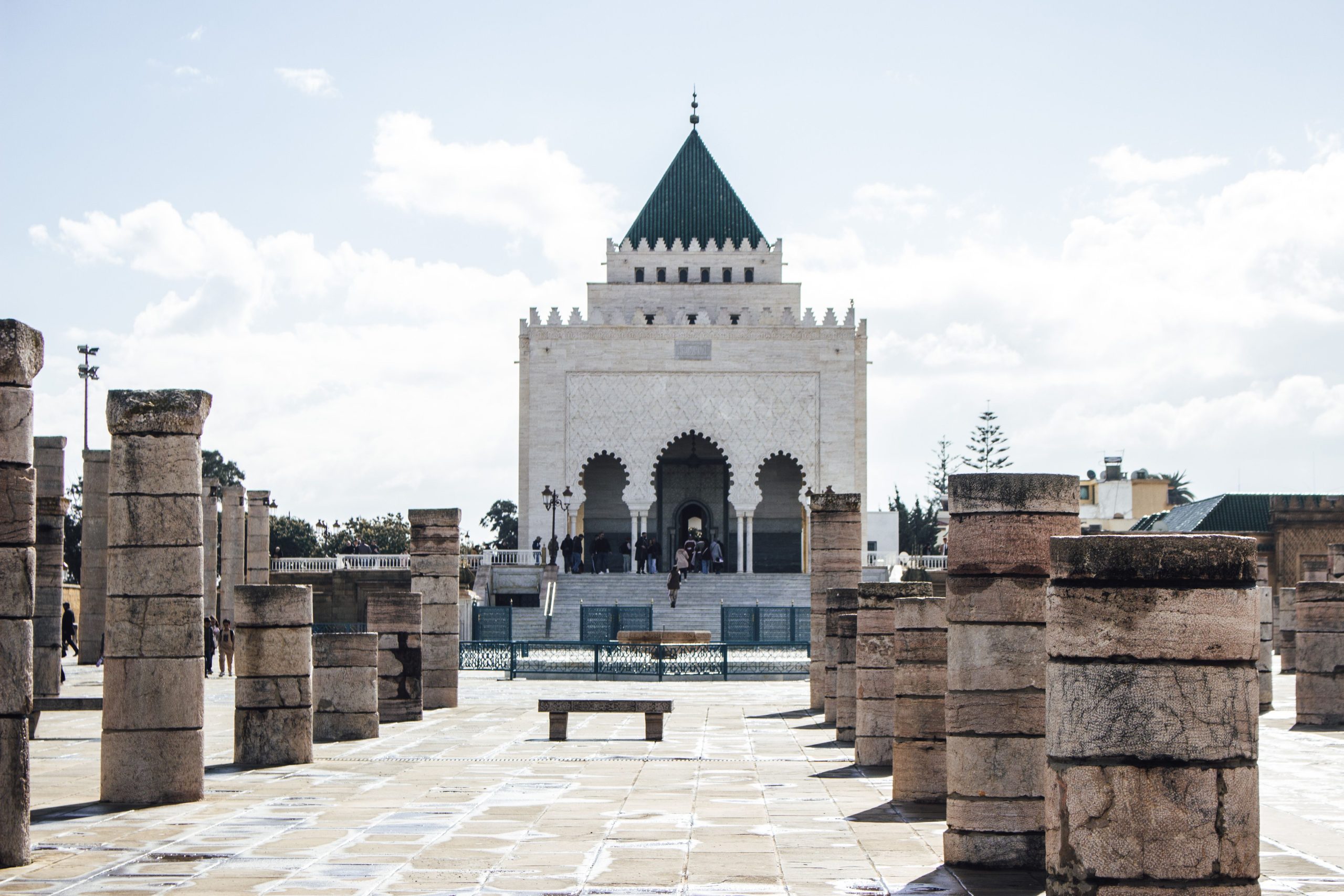 9 Days
Imperial Cities of Morocco
Starting in Marrakech with a hot air balloon and cooking class, then north through Rabat, Meknes, Fes and Casablanca.
View JourneyReady to Explore
the Red City?
Tell us how many nights you have in Marrakech and what matters most to you. We will arrange a private guide, the best riad and every experience around your interests.