Morocco Travel Guide
Every QuestionAnswered Here
Everything you need to know before you arrive and long after you return home. Written by people who have spent over 20 years living and guiding across Morocco.
Entry and Essentials
Citizens of many countries including the US, Canada, the UK and all EU nations can enter Morocco visa-free for up to 90 days. Nationals of Australia, New Zealand and Japan also benefit from visa-free entry. Always confirm with the Moroccan embassy for your nationality before travelling as requirements can change.
A valid passport with at least six months of validity remaining is required. Some nationalities may also need proof of onward travel, accommodation and sufficient funds. Always carry printed copies of your booking confirmations, travel insurance details and emergency contacts.
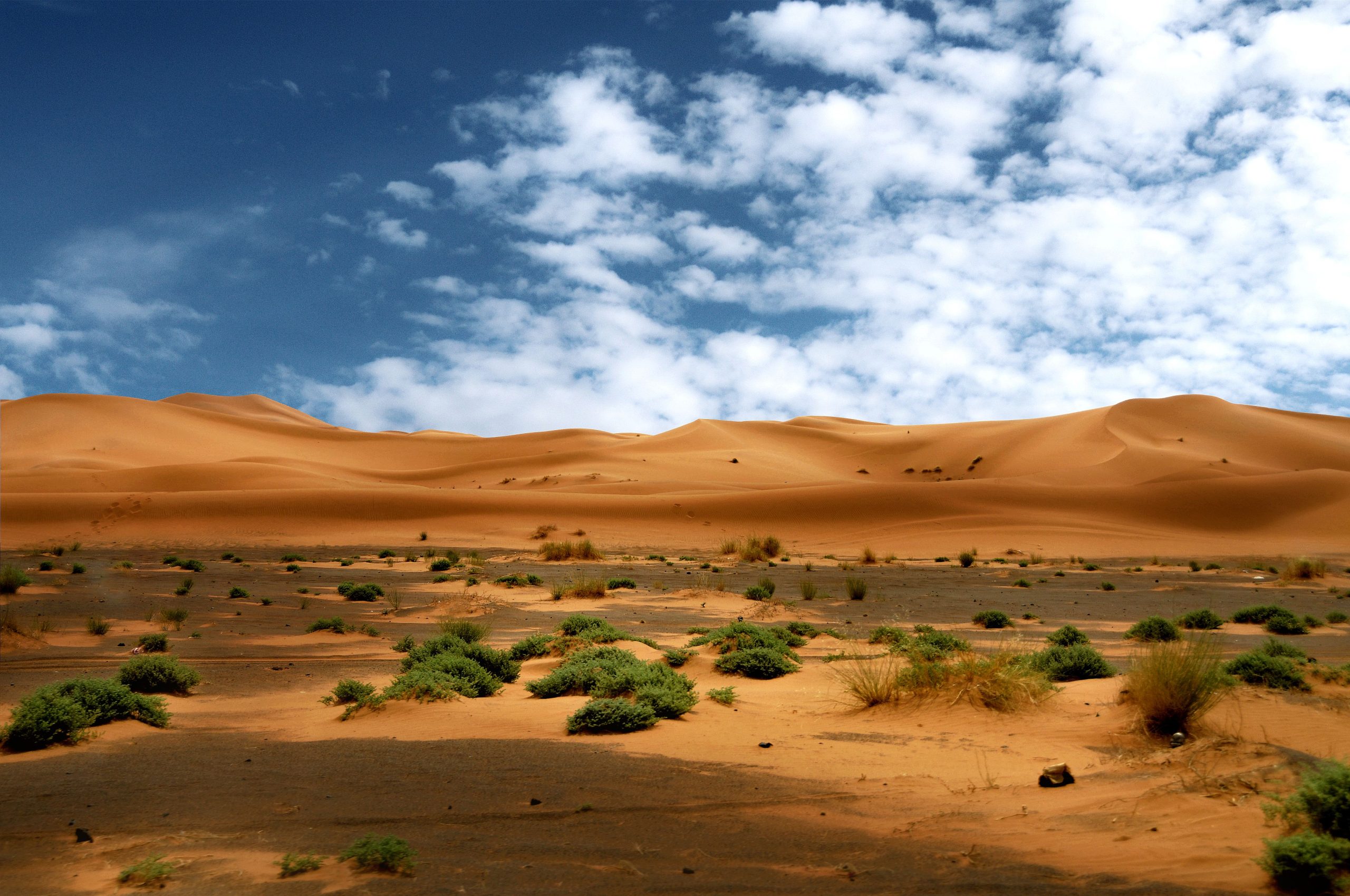
Spring March to May and Autumn September to November are ideal for the imperial cities ; comfortable temperatures, fewer crowds. The Sahara Desert is best October to April. The High Atlas is excellent April to October. The Atlantic Coast is perfect May to October.
The currency is the Moroccan Dirham (MAD). Approximately 1 Euro equals 10 MAD and 1 US Dollar equals 9 MAD. Bring Euros or Dollars in cash to exchange at airports, banks and hotels. ATMs are widely available in all major cities. In souks and rural areas, cash is essential.
No specific vaccinations are legally required. It is recommended to be up to date with tetanus, hepatitis A and typhoid particularly if you plan to eat street food or travel to rural areas. Drink only bottled water throughout your stay.
Arabic is the official language. French is widely used in business and government. Moroccan Arabic (Darija) is the everyday spoken language. Tamazight (Berber) is spoken in the Atlas Mountains. English is increasingly understood in tourist areas. Our guides speak Arabic, Tamazight, French and English.
Safety and Culture
Morocco is a safe and welcoming destination consistently ranked among the safest countries in Africa. Keep belongings secure in crowded markets, drink bottled water and be aware of overcharging in tourist areas. Our team accompanies you throughout every journey.
Yes, Morocco is visited by large numbers of solo women travelers every year. Moroccan culture is respectful and hospitable. Dress modestly in medinas and rural areas. Stay in reputable riads and use registered transport. When traveling with us your guide handles all logistics.
In major cities, contemporary clothing is widely accepted. In medinas, rural areas and villages, modest dress is appreciated. For women, covering shoulders and knees is strongly recommended when away from pools and beaches. A lightweight scarf is one of the most useful items to carry.
Greet with Salam alaykum and respond Wa alaykum as-salam. Always use your right hand for greetings and eating. Remove shoes at the entrance to a home or carpet shop. During Ramadan, avoid eating, drinking or smoking in public during daylight hours.
Ramadan is one of the most extraordinary periods in Morocco. Cafes and restaurants may be closed during the day. Life comes alive after the breaking of the fast at sunset. Tables overflow with harira soup, tagines and honeyed pastries. Avoid eating or drinking in public during daylight hours out of respect.
Alcohol is available in licensed restaurants, hotels and bars in major cities. It is not available in traditional Moroccan establishments or rural areas. Public consumption of alcohol is disrespectful to local culture and should be avoided entirely.
Practical Tips
For cities: lightweight fabrics, modest layers, a scarf and comfortable walking shoes. For mountain trekking: waterproof hiking boots, warm layers and a daypack. For the desert: warm layers for cold nights and sun protection. Always bring high-factor sunscreen, a water bottle and any personal medications.
Morocco has good mobile coverage across all major cities and tourist routes. The operators Maroc Telecom, Orange and Inwi offer affordable prepaid SIM cards at the airport. Most riads and hotels offer free WiFi. In remote mountain and desert areas, connectivity may be limited.
Tipping is an important part of Moroccan culture. Leave 10 to 15 percent at restaurants. For hotel housekeeping, 10 to 20 MAD per day. For a half day guide, 50 to 100 MAD per person. For a full day guide, 100 to 200 MAD per person. For your private driver, 5 to 10 USD per day.
Street food is one of Morocco's great pleasures. Eat where locals eat and choose stalls with high turnover and fresh preparation. Freshly squeezed orange juice is safe and extraordinary. Cooked dishes are generally safe. Introduce street food gradually over the first day or two.
Morocco's Highlights
Marrakech for its medina, souks, palaces and Djemaa el-Fna square. Fes for the largest living medieval city in the world and its extraordinary tanneries. Chefchaouen for its blue streets and mountain setting. The Sahara Desert for dunes, camel treks and nights under the stars. Essaouira for its Atlantic ramparts and blue fishing boats.
Tagine is the iconic slow cooked stew in a conical clay pot ; lamb with prunes and almonds, or chicken with preserved lemon and olives. Couscous is traditionally served on Fridays. Pastilla is a flaky pastry with chicken, almonds and spices dusted with icing sugar. Harira soup is a great Moroccan comfort food. Mint tea is a ceremony of hospitality.
Morocco is outstanding for families of all ages. Moroccan culture holds children in the highest regard. A traveling child opens doors and invitations that adults alone would never receive. The camel ride, the desert camp and the wonder of the souks create experiences children remember forever. We have guided families with children as young as three.
Hand knotted Berber carpets and rugs, leather goods from the Fes tanneries, hand painted ceramics from Fes and Safi, argan oil in cosmetic and culinary forms, and spices from the medina including saffron from Taliouine, ras el hanout and dried rose petals. In all souks, bargaining is expected and part of the pleasure.
Our Private Journeys
Every journey is exclusively private ; your vehicle, your guide, your schedule and your itinerary. We do not operate shared group tours or fixed departure dates. Everything is designed entirely around you. Mohamed Moujane personally oversees every journey and remains directly reachable throughout. We are a small personal operation, not a large agency.
Level 1 and 2 ; easy to moderate walks up to 5 hours per day, perfect for all ages and families. Level 3 and 4 ; challenging hikes of 5 to 6 hours per day with up to 1,000 metres of elevation gain. Level 5 and 6 ; full mountain days of 7 to 8 hours on technical terrain for experienced hikers.
Included: professional certified guide, private vehicle transport, accommodation, all meals, full local team, camping equipment. Not included: international flights, travel insurance, visa fees, personal drinks, tips and personal medications. A full breakdown is always provided before you confirm.
Breakfasts include coffee, mint tea, fresh bread, honey, argan oil, fruit and olives. Lunches are freshly prepared picnics using local market ingredients. Dinners are harira soup followed by tagine or couscous, a simple dessert and mint tea. At camp, tea and Moroccan pastries always await on arrival.
Yes. Vegetarian travelers are exceptionally well served by Moroccan cuisine. Vegan travelers can be fully accommodated with advance notice. Gluten free diets are manageable with careful planning. Nut allergies require advance notice as almonds appear widely in Moroccan cooking. Halal food is the standard throughout Morocco.
We recommend booking three to six months in advance. Spring and autumn periods fill earliest. Desert camp availability around Christmas and New Year should be reserved four to six months ahead. We sometimes have availability at shorter notice and are always happy to discuss what we can arrange for your timeframe.
Still Have a Question
We Are Always
Here for You
No question is too small. We respond personally to every message within 24 hours. Always directly with our team ; never a bot.