
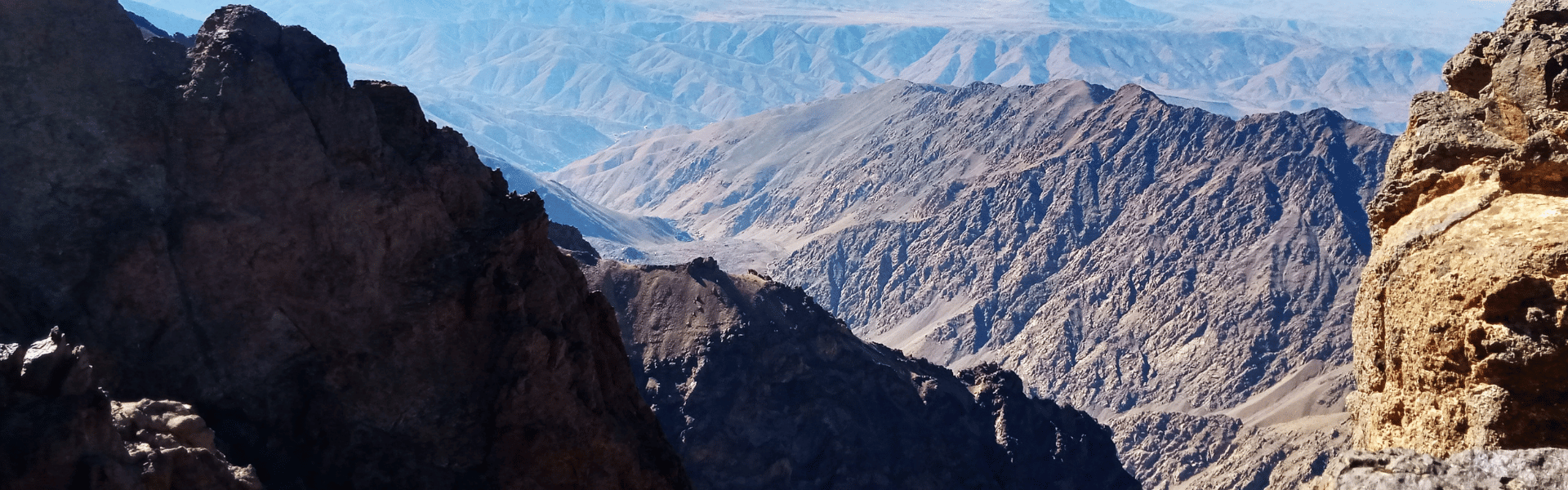
MOUNT TOUBKAL TREK
Toubkal (4167m): Journey to the Roof of North Africa Mount Toubkal, rising to 4,167 meters, is the highest peak in North Africa and a must for adventurers and nature enthusiasts. Located in the heart of the High Atlas Mountains, just 70 kilometers south of Marrakech,…
Toubkal (4167m): Journey to the Roof of North Africa
Mount Toubkal, rising to 4,167 meters, is the highest peak in North Africa and a must for adventurers and nature enthusiasts. Located in the heart of the High Atlas Mountains, just 70 kilometers south of Marrakech, this iconic summit offers a unique combination of physical challenge, cultural immersion, and breathtaking landscapes.
Scenic Trails Through Diverse Landscapes
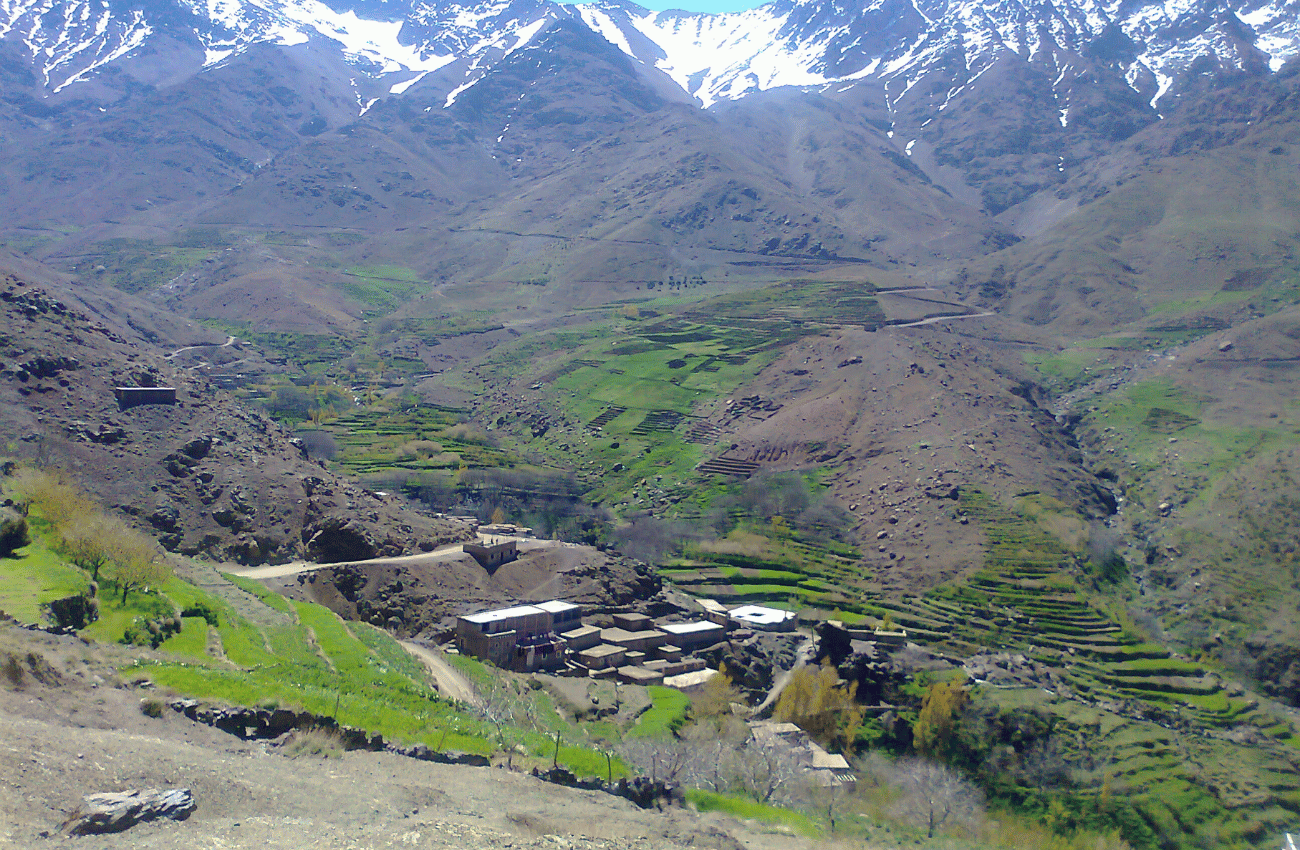
The trek begins in Imlil, a charming village known as the gateway to the High Atlas. From here, the trail winds through lush valleys, terraced farmland, and aromatic juniper forests. Hikers are treated to panoramic views where green oases contrast with rugged rocky peaks. Every turn of the path reveals new scenery, from flowing streams to wildflower-strewn meadows.
Authentic Berber Villages
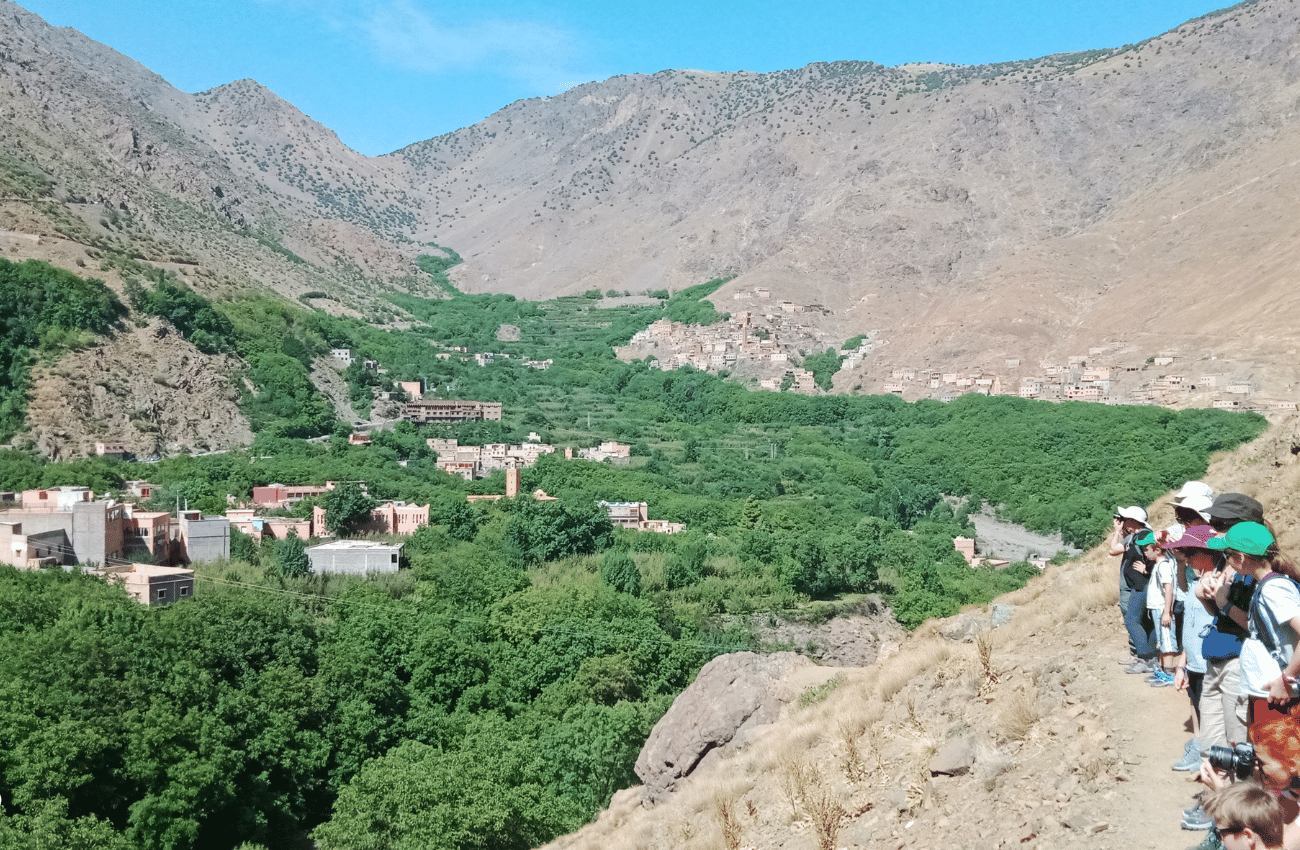
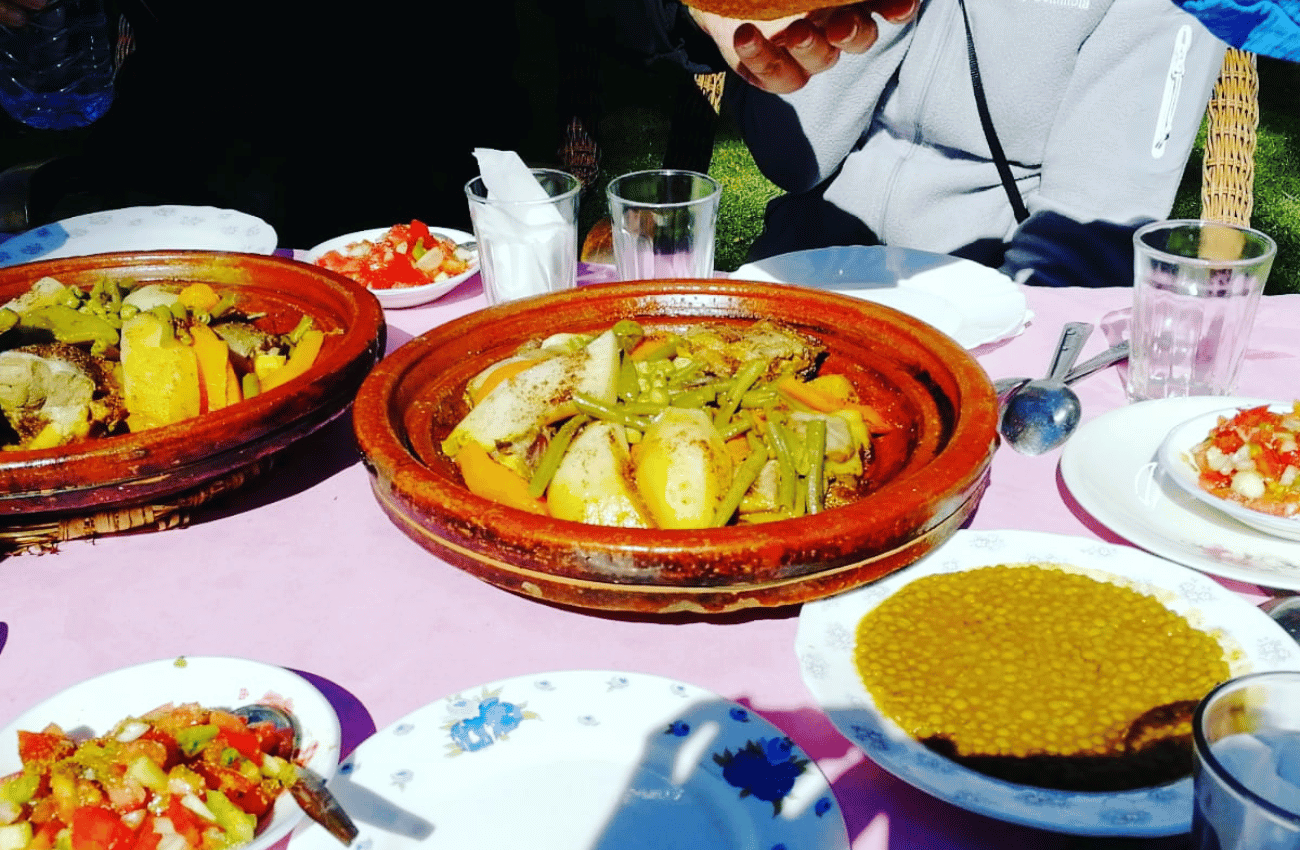
Along the route, travelers encounter traditional Berber villages, where life moves at a slower pace. The villages feature earthen houses, ancient pathways, and traditional architecture, offering an authentic glimpse into Berber daily life. Warm hospitality, a cup of mint tea, and a shared meal of traditional tagine make the journey culturally rich and unforgettable.
Majestic Alpine Views
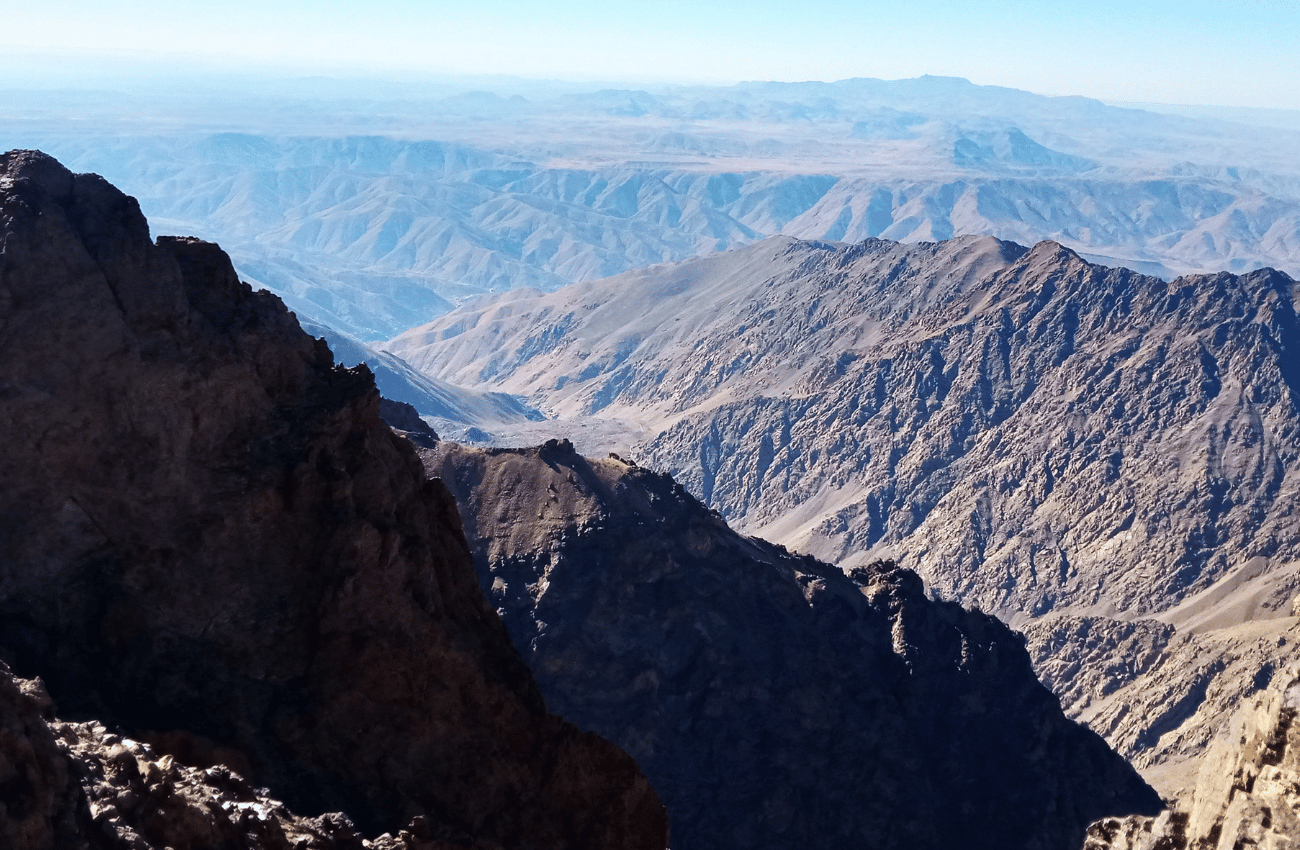
As the ascent continues, the environment transforms into a dramatic alpine landscape. Snow-capped peaks, sheer cliffs, and deep valleys create a stunning backdrop. The serene silence of the mountains is occasionally interrupted by the sound of mules or distant chatter of fellow trekkers. Photographers and nature lovers will find endless inspiration here.
The Thrill of the Summit
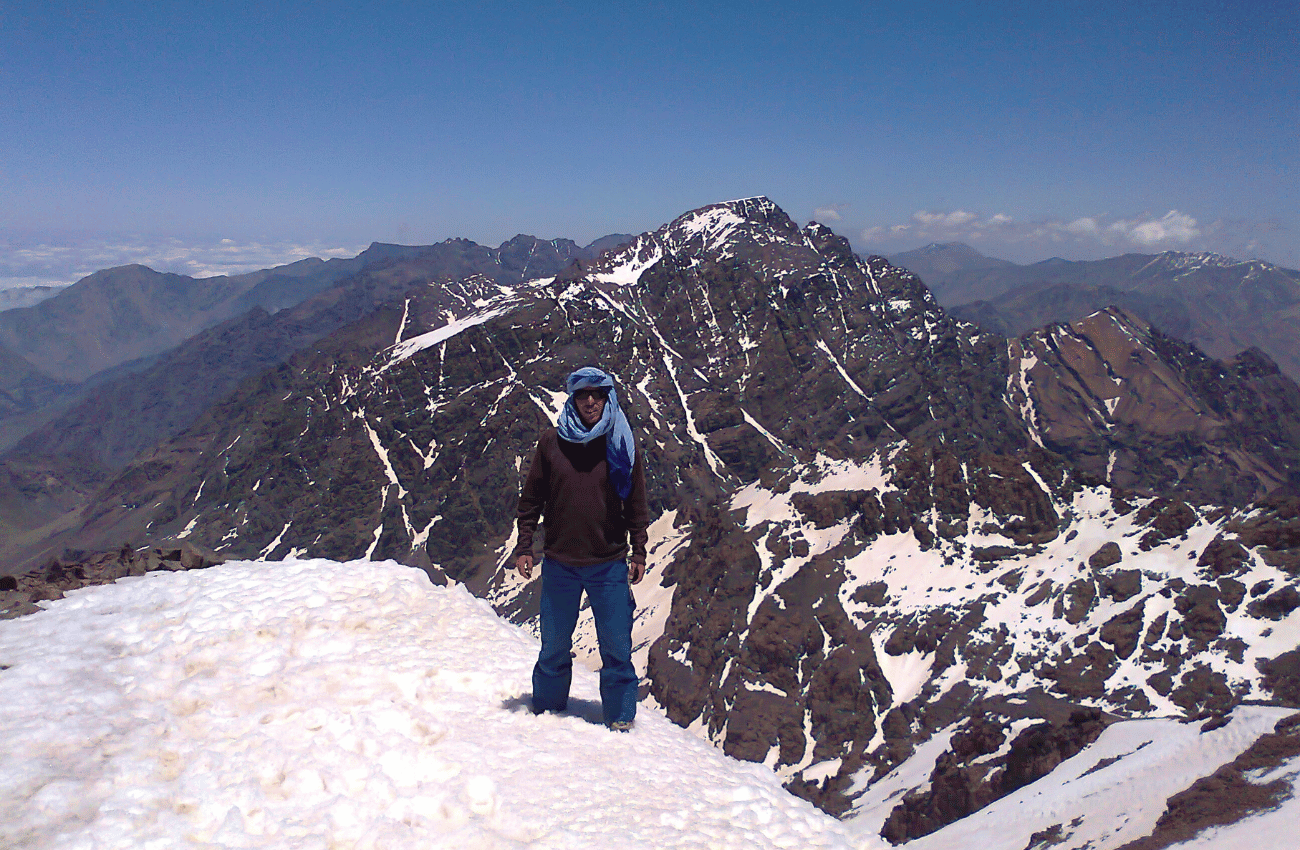
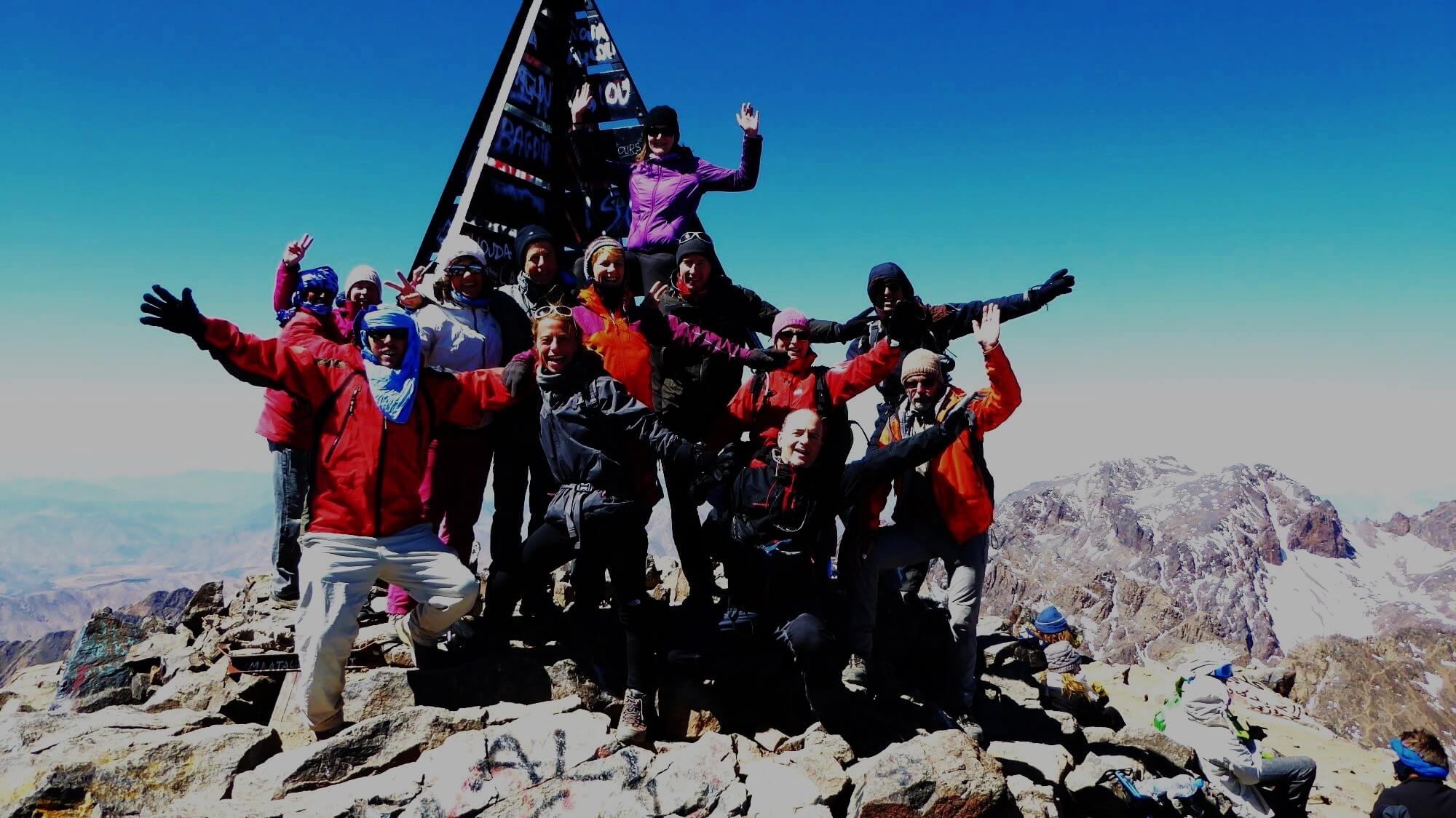
The final climb to Toubkal’s summit often starts before dawn. Walking under a canopy of stars, breathing crisp mountain air, and feeling the anticipation build creates a magical experience. As the sun rises, the panoramic view stretches from the Sahara Desert in the south to the rolling High Atlas peaks in the north, offering one of the most rewarding sights in Morocco.
Cultural and Physical Immersion
Trekking to Toubkal is not just a physical challenge; it’s a cultural journey. Guided by local Berbers, hikers learn about ancient traditions, mountain spirituality, and local farming practices. Shared experiences with fellow trekkers enhance the adventure and create lasting memories.
Year-Round Adventure
Toubkal is accessible in all seasons. Summer treks showcase lush greenery and flowing streams, while winter ascents reward climbers with snow-dusted peaks and crisp alpine air. Each season transforms the landscape, offering hikers unique and dynamic scenery.
Why Toubkal Should Be on Your List
Climbing Toubkal is about more than reaching the highest point in North Africa. It’s about connecting with nature, experiencing Berber culture, and exploring the High Atlas Mountains in all their beauty. Whether you are an experienced trekker or a nature enthusiast, Toubkal promises an adventure of a lifetime.
Our gallery
DAY 1 : ARRIVAL DAY
DAY 2 : MARRAKECH – ID AISSA
DAY 3 : IDAISSA - lIPENY
We begin our ascent along the wadi, where villagers can be seen working their terraced fields, practicing traditional subsistence farming. The hike through the villages of the Azaden Valley feels like walking through a lush, living garden: terraces unfold across the landscape, framed by junipers and walnut trees that enhance the valley’s natural charm.
Following the river, we pass ancient water mills, while the adobe houses—painted in warm ochre and deep red tones—blend harmoniously into their surroundings. Our path leads us to the picturesque village of Tizi Oussem, before gradually climbing through fragrant juniper and thuja forests toward the Tamsoulte azib.We then continue to the magnificent Ighouliden Waterfalls, the highest in the massif. After a rewarding climb, we enjoy lunch at 2,400 meters, beside the impressive cascade that plunges nearly forty meters into the valley below. For those feeling adventurous, a refreshing dip is possible (swimming is at your own risk).After lunch, we continue our ascent toward the Lipeney Refuge, reaching the area near the refuge,or spending the night inside, depending on the season,at an altitude of 2,900 meters.
Ascent: +1000 m
Walking time: Approx. 6 hours
DAY 4 : Lipeny – AGUELZIM PASS – TOUBKAL CAMP
We begin our ascent from the Lepiney Refuge, with the imposing Djebel Tazarhart, often called the “mountain of corridors”, rising dramatically before us. This wild and rugged landscape is marked by steep gullies where snow lingers well into the summer months. Behind us, the vast plains of Marrakech stretch far into the distance.We gradually make our way upward toward the Aguelzim Pass at 3,550 meters. The trail we follow was carved by local muleteers nearly twenty years ago, and it now serves as the main route connecting these high valleys. As we gain altitude, we arrive at the Aguelzim Pass, its name meaning “pickaxe” in Berber,which offers one of the finest panoramas in the High Atlas.From the top, the entire Toubkal massif unfolds before us, with its impressive chain of peaks soaring above 4,000 meters. On either side lie the valleys of Azaden and Aït Mizane, the very valleys we will eventually descend as we complete our journey.The descent from the pass brings us ever closer to the mighty silhouette of Mount Toubkal. Step by step, we approach the mountain’s base camp until we finally arrive at the refuge at 3,100 meters, where we settle in for a two-night stay, an essential pause to rest, acclimatize, and take in the remarkable surroundings.
Ascent: +650 m
Descent: –350 m
Walking time: Approx. 6 hours
DAY 5 : TOUBKAL SUMMIT (4167 M)
DAY 6 : TOUBKAL CAMP – IMLIL
DAY 7 : IMLIL – MARRAKECH
DAY 8 : DEPARTURE DAY
TOUR LOCATION
POST A REVIEW
- Airport pick-up and transfer to the hotel
- All transfers in a private tourist minibus
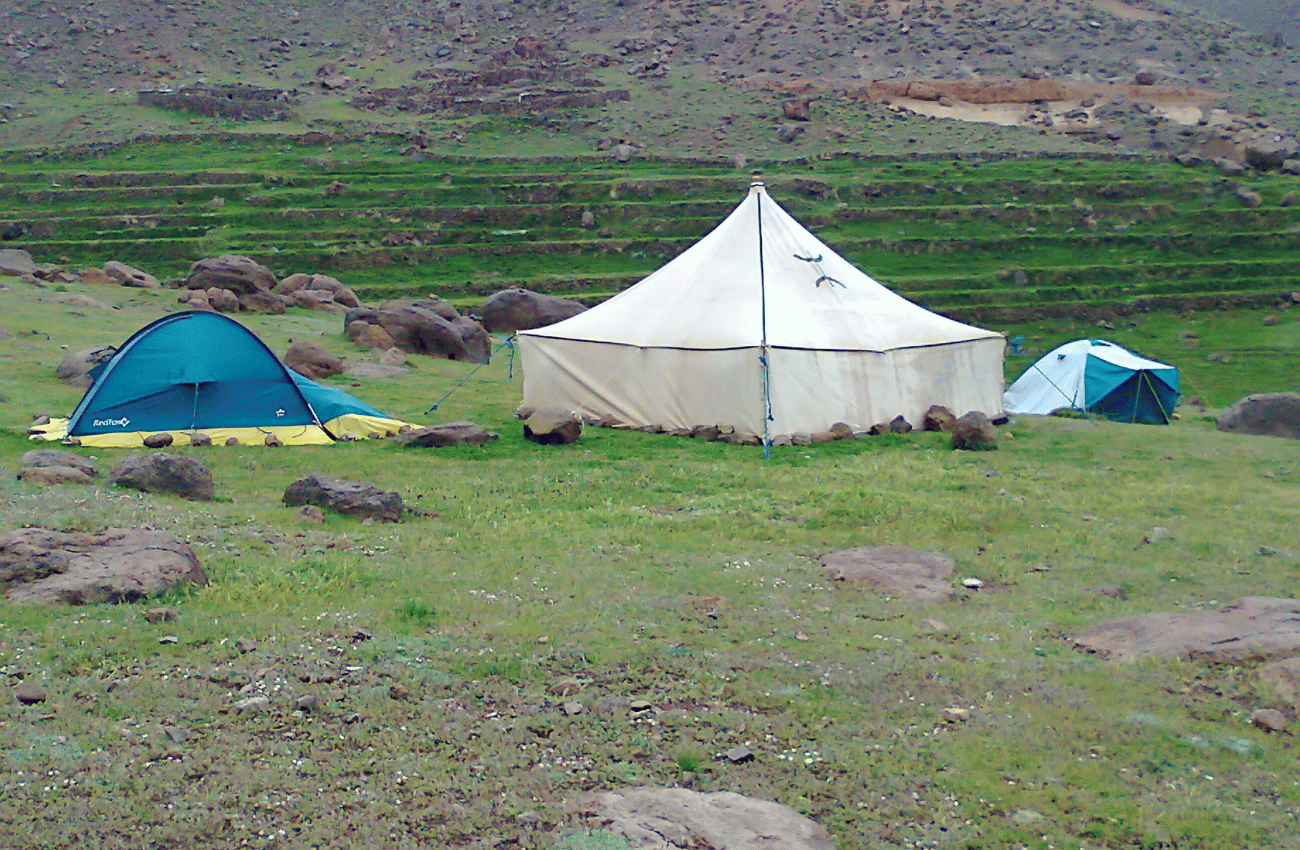
- Accommodation in hotels, riads, guesthouses or bivouacs
- Full board during the tour (meals included)
- Assistance of a professional local team (guide, cook, muleteers, drivers)
- All the necessary logistics for the smooth running of the trip
- International flight
- Travel insurance
- Drinks and personal expenses
- Tips for the team
- Entrance fees to monuments (if not specified in the program)
- Meals in Marrakech
Practical Information – Toubkal & High Valleys Trek
Duration:
8 days, including 5 days of trekking
Level:
Moderate to challenging – good physical condition required
The ascent of Mount Toubkal (4,167 m) does not require technical skills, but it does demand solid physical effort.
ACCOMMODATION
— In Marrakech (2 nights):
Accommodation in a locally rated 3-star hotel, based on double rooms with private bathrooms.
The hotel usually features a spa and an outdoor swimming pool. Conveniently located in the modern district of Guéliz, it is ideal for the first and last nights of the tour. Several local restaurants are nearby, and the main attractions are easy to reach. On foot, Jemaa el-Fna Square is about 35 minutes away.
— In the village of Id Aissa (1 night):
Simple mountain guesthouse. Clean, spacious shared rooms and shared sanitary facilities.
— Toubkal Refuge (2 nights):
Accommodation in shared dormitories with shared showers and toilets.
MEALS
— Breakfast:
Hearty breakfast including coffee, tea, hot chocolate, jam, butter, bread, and cereals.
— Lunch:
Meals prepared by the cook using fresh local products.
— Dinner:
Soup, main course (tajine, couscous, rice, etc.), dessert, and tea/herbal tea.
— During the day:
Energy snacks such as dates, peanuts, pralines, and biscuits.
— At arrival at camp or refuge:
Mint tea and biscuits as a welcome snack.
Drinks
In Morocco, untreated water (from springs, wells, or tap) is not recommended for drinking.
For ecological reasons, we ask you to avoid plastic bottled water and to bring a reusable water bottle (preferably insulated) along with purification tablets or a filter bottle.
During the trek, you will encounter several water sources.
Please note: mules do not carry drinking water for the group.
TIPS (GRATUITIES)
Tipping is part of local culture and common practice.
This gesture of appreciation—depending on the itinerary, group size, and duration—is always valued and often expected by the team.
We recommend preparing several envelopes before your trip:
-
One for the guide, the key person ensuring the success of your journey.
-
One for the cook.
-
One for the muleteers and/or camel drivers.
Recommended amount:
Approximately €40 per person for a one-week trip.
TRANSPORT
All transfers are done by minibus.
All vehicles used during the trip are licensed for tourist transport and dedicated exclusively to the group.
Please note:
Wearing a seatbelt is mandatory in all vehicles, both front and back seats, whenever a seatbelt is available—regardless of the local regulations.
By booking this trip, you agree to comply with this safety requirement.
The agency cannot be held responsible for personal injury or material damage resulting from non-compliance.
YOUR EQUIPMENT
Your belongings are divided between a daypack, which you carry during the hike, and a duffel bag with a padlock, transported by the logistics team (mules or vehicle).
Essential Clothing & Gear
— Moisture-wicking underwear (quick-drying)
— Fleece jacket
— Waterproof and breathable shell jacket
— Trekking pants
— Thermal leggings
— Warm hat and gloves (for cool evenings and the summit day)
— Cap or sun hat
— Sunglasses (category 3 minimum, 4 for high altitude)
— Rain poncho
— Minimum 2-liter water bottle or hydration system
— Pocket knife
— Micropur tablets for water purification
— Toilet paper + lighter (for disposal if necessary)
Footwear & Technical Equipment
— Waterproof high-cut hiking boots with good grip (Contagrip, Vibram or similar)
— Headlamp
— Telescopic trekking poles
Sleeping Gear
— Sleeping bag:
Comfort temperature:
-
–10°C / –5°C in May & November
-
–5°C / +5°C in summer
— Sleeping bag liner
Baggage
— Daypack: 30–40 L, with ergonomic back support and wide shoulder straps
— Duffel bag: 80–100 L (maximum 12 kg), soft-sided, carried by mules or vehicle
Other Items
— Change of clothes
— Toiletry kit & towel
— Swimsuit & bath towel
— Sleepwear
— Plastic bags for waterproofing your belongings
— Needle and thread
— Anti-theft pouch for documents, money, insurance papers (to be kept on you at all times)
Note: Drones are strictly prohibited in Morocco
LUGGAGE TRANSPORT
Your main luggage (maximum 12 kg) is transported by mules.
You walk only with your light daypack containing your daily essentials.
CURRENCY
The local currency is the Moroccan Dirham (MAD).
Approximate exchange rate (2025): €1 ≈ 10 MAD.
We recommend bringing cash euros to exchange on arrival (airport, hotels, banks).
ATMs (Visa, Mastercard, etc.) are widely available in major cities, including Marrakech airport.
Credit cards are accepted in most shops and restaurants in urban areas.
pfeib
Good