Saghro Mountains Morocco – Authentic Trekking & Walking Tours

Saghro Mountains Morocco – Authentic Trekking & Walking Tours

$600 per person
8.0 Superb

Saghro Mountains Morocco – Authentic Trekking and Walking Adventures The Saghro Mountains Morocco offer one of the most authentic trekking experiences in the country. Moreover, this remote mountain range lies between the High Atlas Mountains and the Sahara Desert, creating dramatic contrasts of mountains, plateaus,…

Saghro Mountains Morocco – Authentic Trekking and Walking Adventures

The Saghro Mountains Morocco offer one of the most authentic trekking experiences in the country. Moreover, this remote mountain range lies between the High Atlas Mountains and the Sahara Desert, creating dramatic contrasts of mountains, plateaus, and desert plains.

Travelers choose the Saghro Mountains for silence, open space, and untouched landscapes. In addition, the region provides ideal conditions for walking and hiking tours.

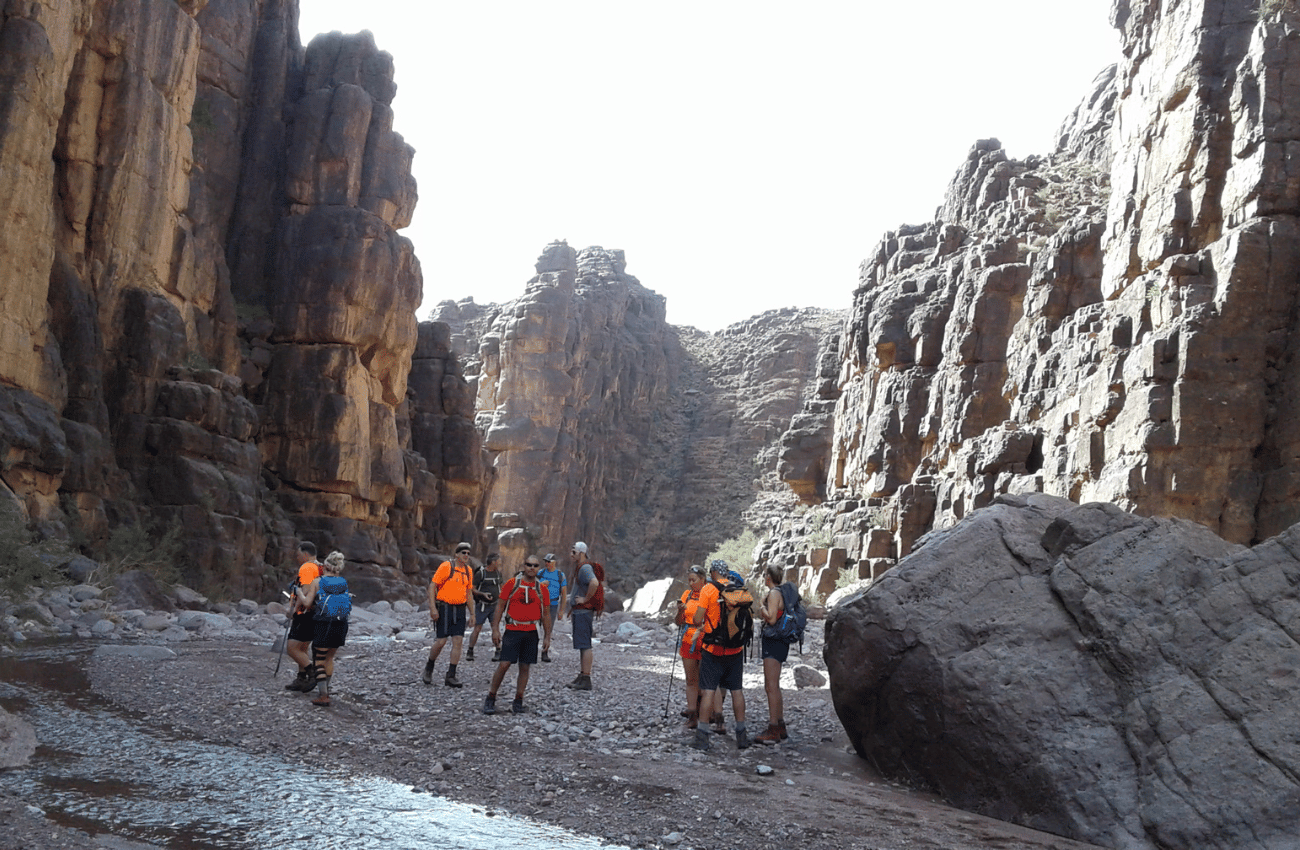
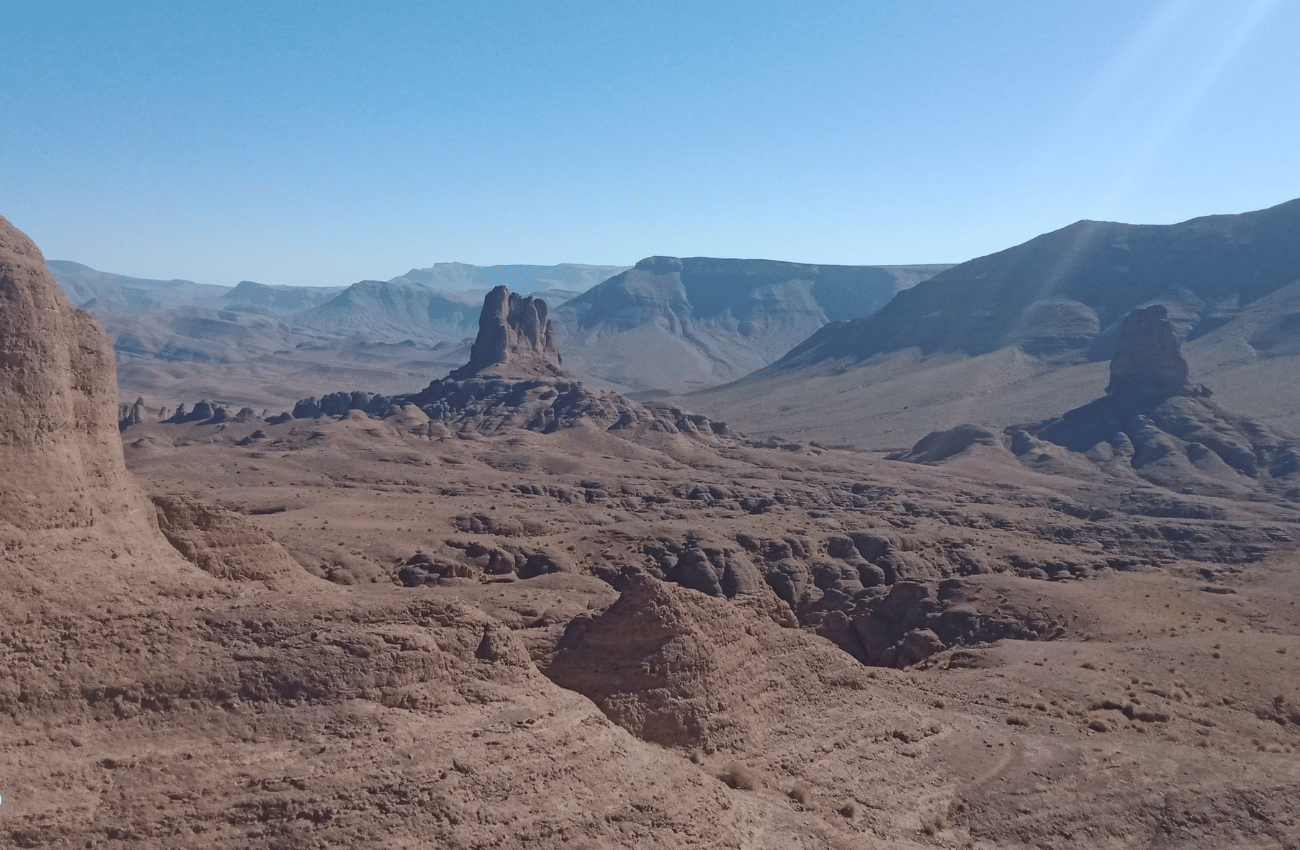
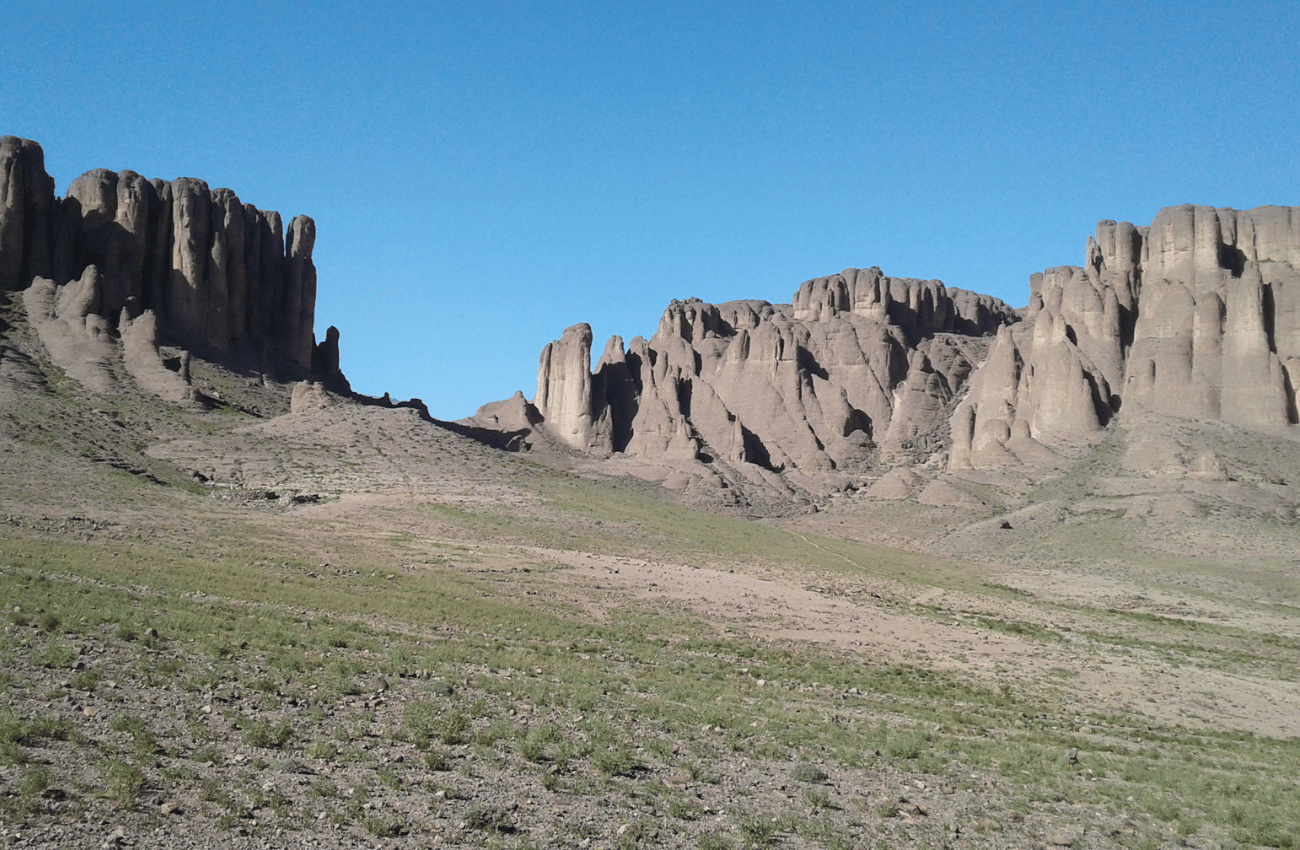
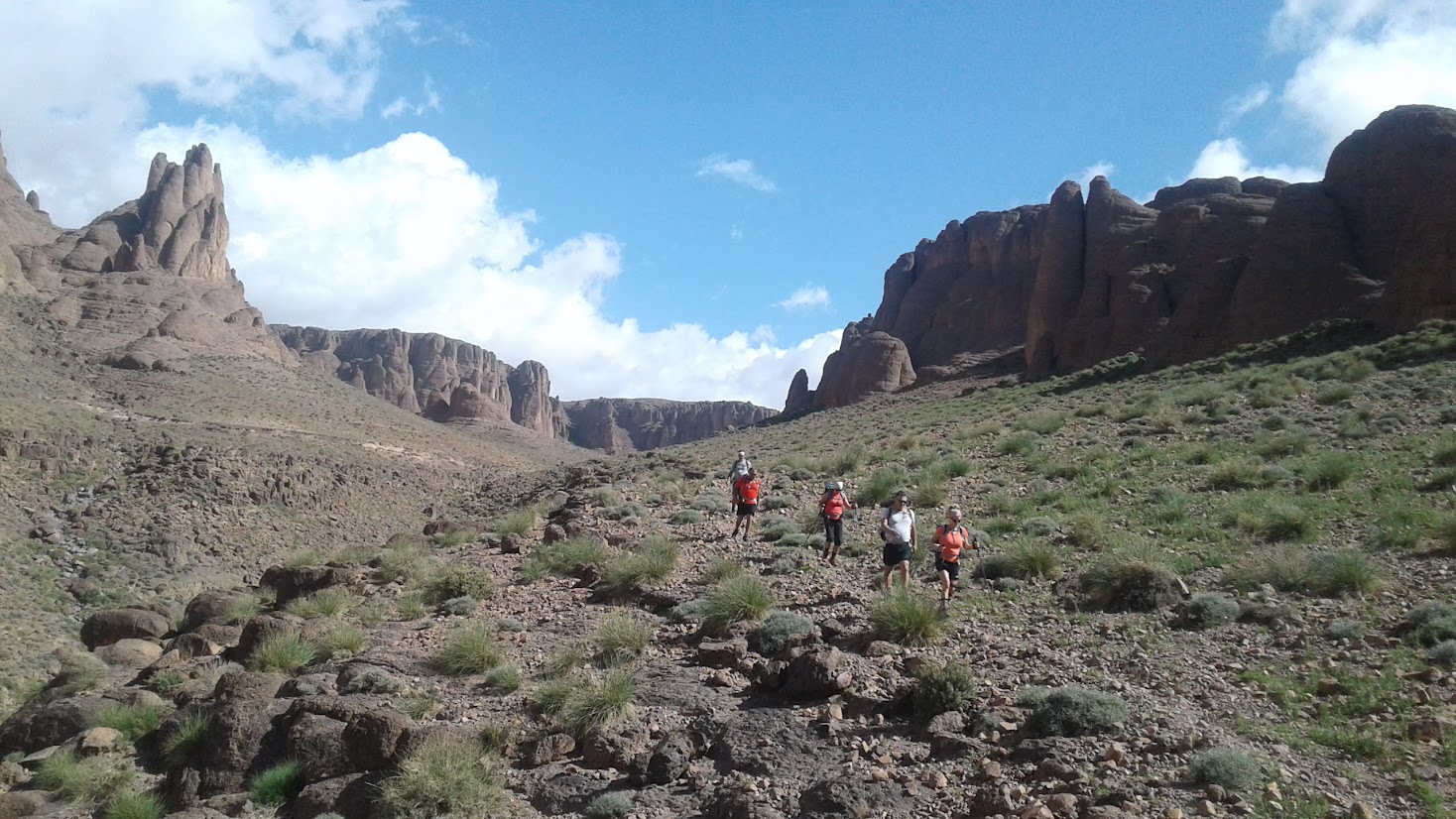
The area is famous for volcanic terrain and unique rock formations. Basalt cliffs rise above wide valleys, while natural rock towers create surreal sculptures. Consequently, the scenery feels wild, raw, and inspiring.

Ancient nomadic paths guide trekkers through open landscapes. Traditionally, these routes connected seasonal camps and water sources. Today, they offer exceptional walking experiences far from crowded trails.

Jebel Saghro reaches about 2,600 meters. From the summit, panoramic views stretch across valleys and distant desert plains. Furthermore, the silence enhances a sense of isolation and freedom.

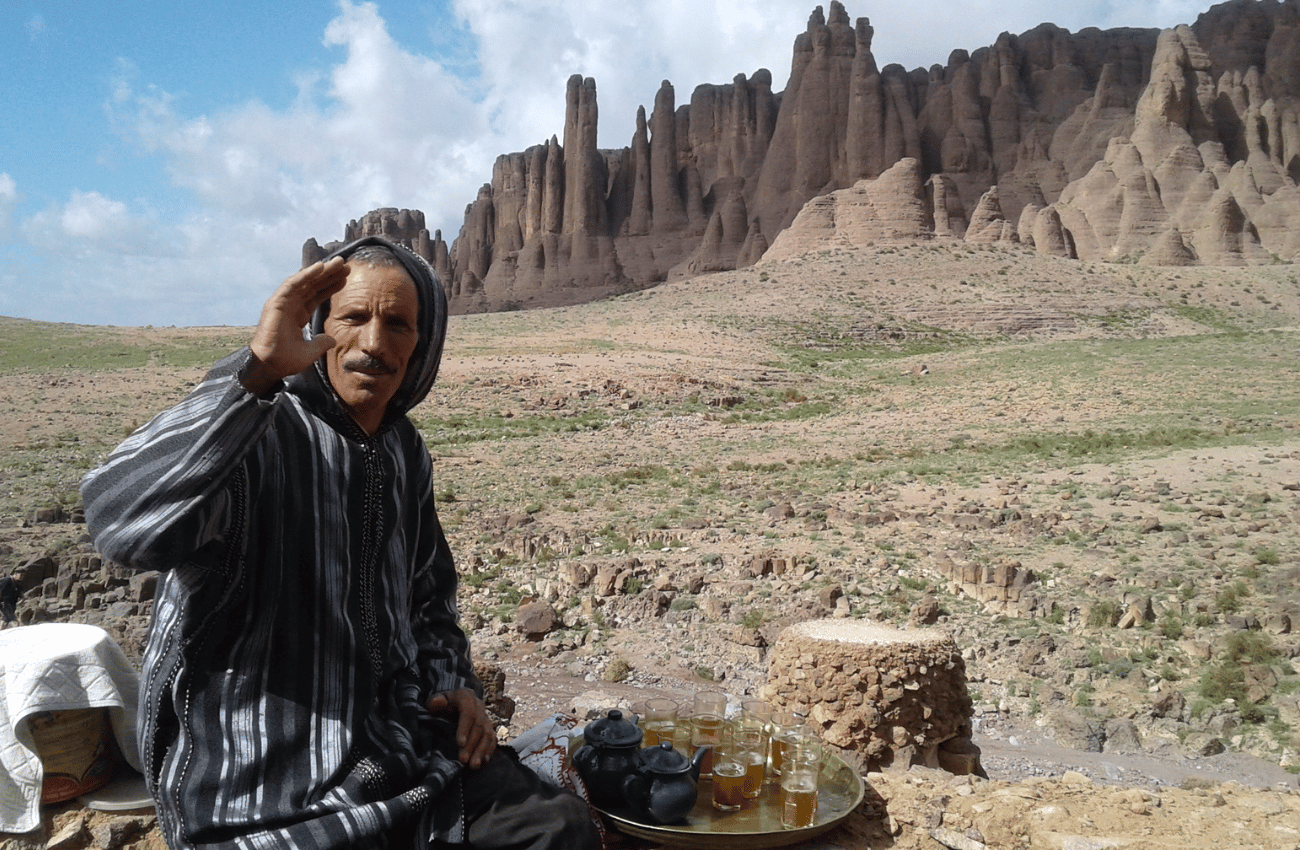
The Saghro Mountains Morocco are rich in cultural heritage. Trekkers pass through small Berber villages and nomadic camps. In particular, visitors meet members of the Aït Atta tribe, known for hospitality and resilience. Sharing tea with locals creates meaningful, memorable experiences.

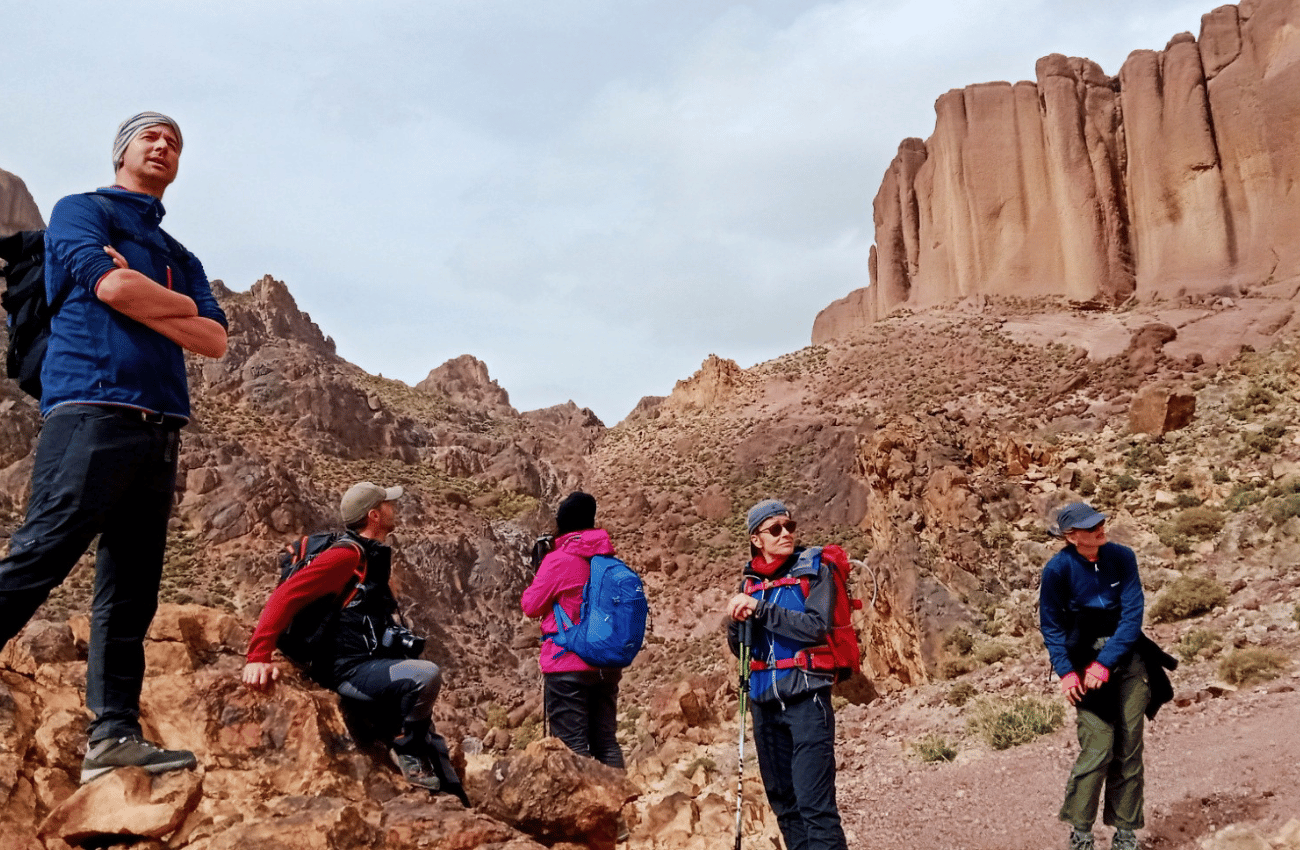
In addition, the region offers trekking diversity. Travelers experience sandy valleys, rocky passes, volcanic plateaus, and colorful ridges. These landscapes connect naturally to our other tours, like Toubkal trekking and Atlas Mountains hiking.

Our tours also emphasize responsible tourism. Small group travel supports local communities, preserves traditions, and minimizes environmental impact. Moreover, tailor-made and luxury trips are available for all levels.

Ultimately, trekking in the Saghro Mountains Morocco is a journey into silence, authenticity, and nature. Explore hidden trails, meet Berber communities, and enjoy unforgettable landscapes.

8 days / 600 Euros
1
DAY 1 : ARRIVAL DAY
Your vacation begins at the hotel in Marrakech. Upon arrival at Marrakech Airport, your tour guide will greet you and assist with the short transfer to the group hotel. Depending on your arrival time and after settling in, you may wish to explore Marrakech, a wonderful place perfect for wandering. Most visitors head to the central square of Djemaa-el-Fna, beneath the beautiful minaret of Koutoubia Mosque. Here, you can enjoy a panoramic view while sipping a refreshing mint tea at one of the cafes overlooking the square. If you prefer to arrive a day or two earlier, please contact us to book extra nights at the group hotel, or we can arrange for you to stay in a riad for a more traditional Moroccan experience. In the evening, there will be an orientation from the leader over dinner, typically held at the hotel for convenience, due to the late arrival of some flights.
2
Day 2 : MARRAKECH - TAGDILTE
We start the day with an early breakfast before setting out on an exciting journey across the western High Atlas Mountains. Leaving behind the vibrant city of Marrakech, we travel southeast, crossing the expansive Haouz Plain and passing through charming Berber villages that dot the landscape.Our route takes us over the breathtaking Tizi n’Tichka Pass, standing at 2,260 meters above sea level. This iconic road, the highest pass in North Africa, offers constantly shifting scenery that will leave you in awe from rugged peaks to ever-changing colors along the way. Known as the "Pasture Pass," Tizi n’Tichka was originally constructed by the French military in 1936 along an ancient caravan route, serving as a gateway to the Sahara Desert.Once we descend from the High Atlas, we arrive in Ouarzazate, often called the "Door to the Desert." From here, our adventure leads us into the stunning Dades Valley, famously known as the "Valley of a Thousand Kasbahs." Along this route, you'll encounter magnificent fortified villages that evoke a sense of timelessness and tradition.Our journey continues deeper into the valley until we reach the quiet village of Tagdilte, where we’ll spend the night in a simple yet welcoming village house. This authentic stay offers a wonderful opportunity to connect with local culture and traditions. Best of all, tomorrow we’ll begin our walk directly from our accommodation, fully immersed in the beauty and tranquility of this unique region.
3
DAY 3 : TAGDILTE – TIZI N OUAREG – ALMOU N OUAREG
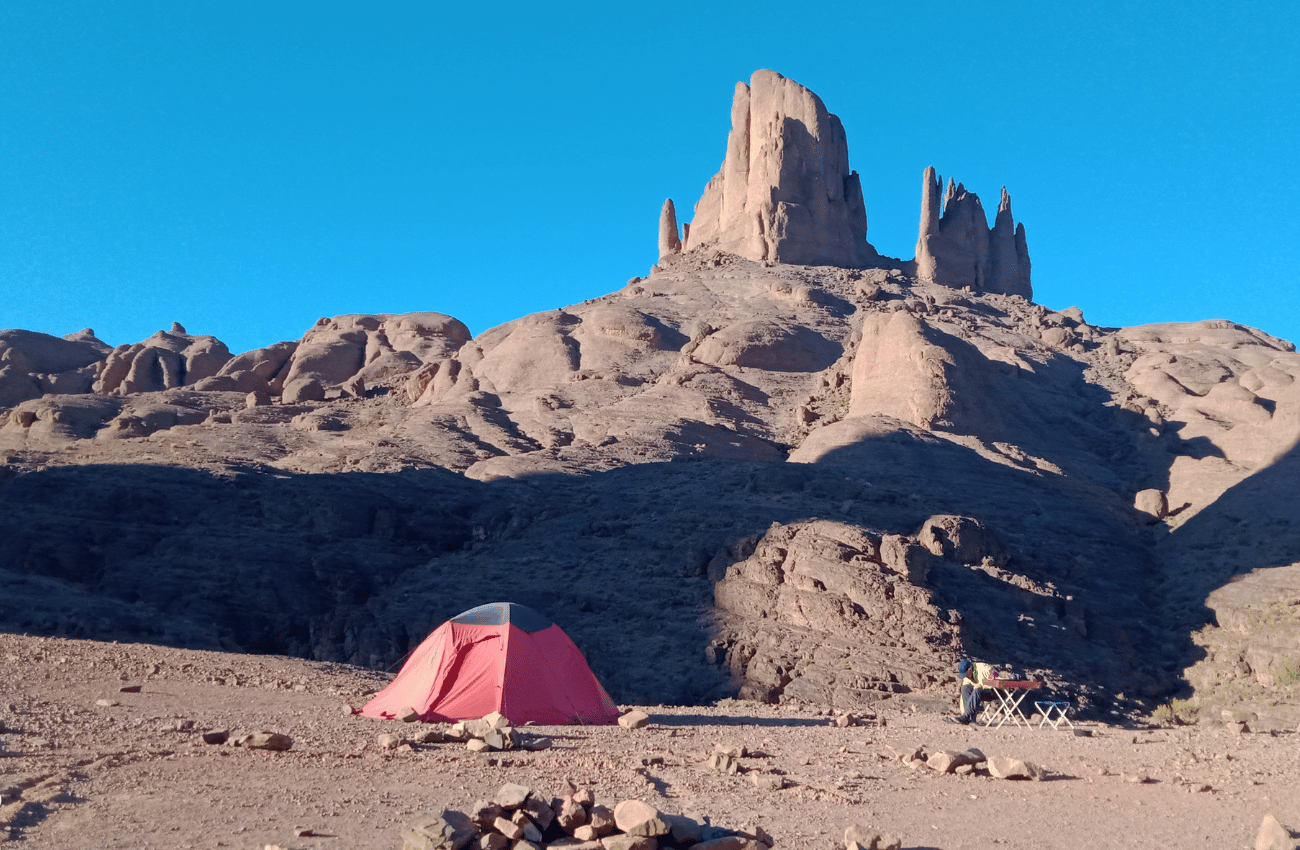
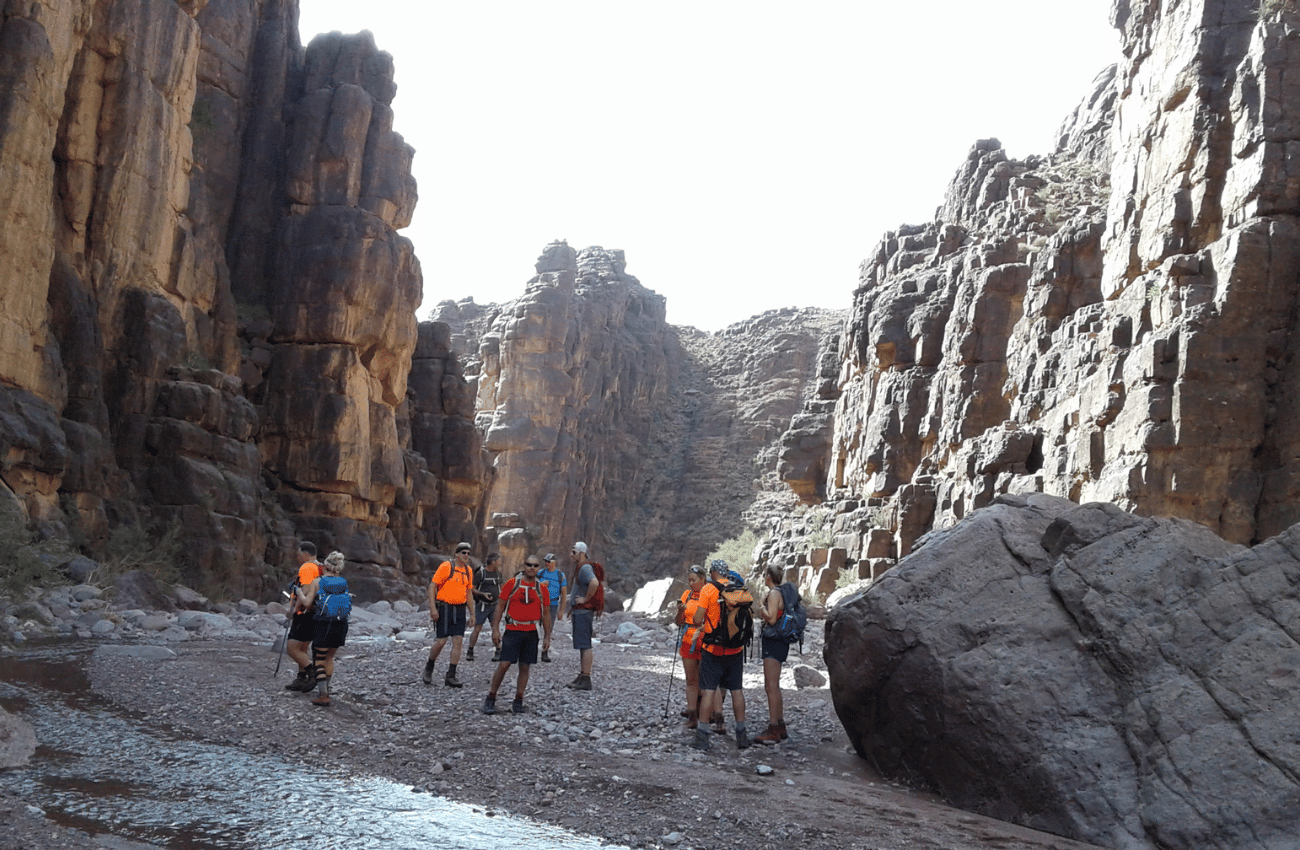
After waking up, we’ll enjoy a hearty breakfast and meet our trekking crew. Once our bags are packed, we’ll set off directly from our cozy lodging in the small village of Tagdilte. The trail begins by leading us through a serene oasis, surrounded by fields of barley and slopes covered in fig trees. As we continue, the path winds through a stunning valley before climbing the volcanic slopes of the Saghro Mountains. This dramatic landscape, filled with deep gorges and striking red rocky peaks, is sure to leave you in awe. Along the way, we may encounter camps belonging to the Ait Atta nomads, a prominent Amazigh (Berber) tribe. The Ait Atta, who speak Tachlhiyte, identify as Amazigh, meaning "free people," rather than the term "Berber," which derives from "barbarian." While their roots are Saharan, the Jebel Saghro massif is their ancestral homeland, and they continue to lead a nomadic lifestyle across the region’s valleys. We’re likely to spot local shepherds tending their flocks, providing a perfect opportunity for a brief rest and perhaps an exchange of stories before we take on the ascent to the Tizi Ouzarzam Pass at 2,500 meters. After crossing the pass, we’ll descend to our campsite, where we’ll settle in for the evening. Dinner will be lovingly prepared by our camp crew, and in this remote and tranquil setting, free from any light pollution, we’ll be treated to a spectacular view of the star-filled night sky. Distance: 16 km Ascent: 800 m Descent: 400 m Walking Time: Approximately 6 hours
4
Day 4 : ALMOU N OUAREG – KOUAOUCH - IGLI
We start the day with a hearty breakfast, preparing ourselves for what promises to be a true highlight of the trip: the ascent of Mount Kouaouch (2,600m). As one of the most prominent peaks in the Saghro region, Kouaouch offers a unique glimpse into the dramatic beauty of this arid landscape.With annual rainfall ranging from just 100mm to 300mm, the Saghro region is one of the driest areas in the Atlas Mountains, creating a striking, almost lunar-like terrain. Fittingly, "Saghro" means "drought" in the Tamazight language. As we climb towards the summit, the scenery becomes increasingly awe-inspiring.Reaching the top of Mount Kouaouch is a moment to savor. From this vantage point, the views are simply breathtaking. To the north, you can see the majestic, snow-capped peak of Mount Mgoun, one of Africa's most stunning mountains, with its dramatic ridges and soaring summit dominating the skyline. To the south, the vast expanse of the Sahara Desert unfolds, stretching endlessly into the horizon.After taking in the spectacular views and capturing some unforgettable summit photos, we begin our descent. The trail leads us back down to our campsite in Igli, nestled near the distinctive rock formation known as the Camel’s Hump. Distance: 16 km Ascent: 400 m Descent: 1,000 m Walking Time: Approximately 6 hours
5
DAY 5 : IGLI – BAB N ALI - AMGUIS
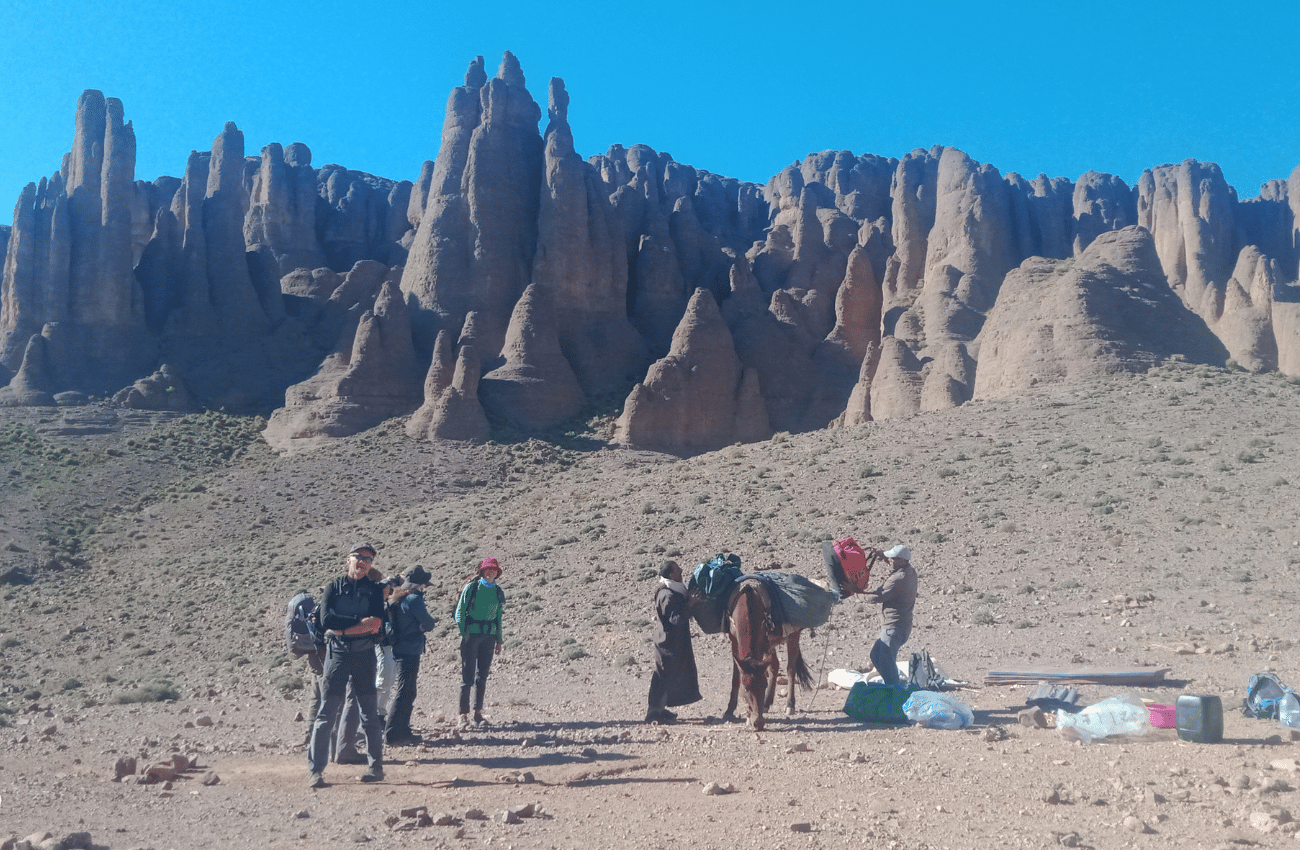
After yesterday’s exhilarating summit, today brings a fascinating change of scenery. We leave behind the picturesque Afourar Valley and ascend to the expansive high plateaus of Tadaout n'Tablah. This stunning region is celebrated for its unique rock formations and the grazing lands of the semi-nomadic Ait Atta Berbers. The Ait Atta are one of Morocco’s oldest Berber tribes, predating the arrival of Arabs and Islam in the 7th century. Historically influential, they rose to prominence as a leading Berber tribe between the 15th and 19th centuries, originating from the southern Moroccan mountains. By the 16th century, they had established themselves as a powerful political force in the Jebel Saghro and, even today, continue to uphold their traditional nomadic way of life.This extraordinary landscape is deeply intertwined with their culture and survival. As we traverse the area, we may encounter members of the Ait Atta tribe, their flocks grazing in these high pastures. Along the way, we’ll be surrounded by striking natural formations, including the Organ Pipe, Elephant’s Head, and Camel’s Head.One of the region's most iconic sights awaits us at Tadaout n'Tablah and Bab n'Ali, also known as Ali’s Gate—a breathtaking rock formation that stands as one of Jebel Saghro’s most impressive landmarks. After taking in these incredible views, we’ll make our way to tonight’s campsite, nestled in the tranquil Amguis Valley. Distance: 18 km Ascent: 300 m Descent: 600 m Walking Time: Approximately 7 hours
6
Day 6 : AMGUIS - TIFRITE
Today, we delve deeper into a landscape filled with quirky rock formations and towering monoliths so surreal that it’s easy to forget we’re in North Africa and not the American Southwest! The dirt tracks we traverse are still used as trade routes connecting this region to the neighboring Sahara Desert. As we make our way to the foothills on the far side of the Jebel Saghro, our journey takes us through the Handour Valley, where small villages, hamlets, and farms are scattered across the landscape. The local farms here are a testament to ingenuity, with carefully irrigated plots yielding crops like wheat, clover, carrots, tomatoes, and chilies, alongside groves of almond trees.After a truly rewarding final day of walking, we’ll arrive at our campsite, ready to enjoy one last night under the stars in this peaceful and remote region. Tomorrow, we’ll bid farewell to the mountains and begin our journey back to Marrakech. Distance: 18 km Ascent: 100 m Descent: 300 m Walking Time: Approximately 6 hours
7
DAY 7 : TIFRITE – DRAA VALLEY - MARRAKECH
After an early breakfast, we begin our journey back to Marrakech, traveling towards the stunning snow-capped peaks of the Atlas Mountains. Along the way, we cross the Draa River and pass through a region known for its striking rock formations before reaching Ouarzazate a favorite destination for filmmakers. Iconic movies such as Lawrence of Arabia, Prince of Persia, and Gladiator were all filmed here, adding to the city’s cinematic charm.From Ouarzazate, we continue our drive over the scenic Tizi n’Tichka Pass, eventually arriving in Marrakech by late afternoon. Once we check into our group hotel, you’ll have some free time to explore this legendary city. You might want to visit the lively Djemaa-el-Fna square, which truly comes alive around 4 pm, buzzing with musicians, storytellers, food vendors, and more—a sensory feast for locals and visitors alike. In the evening, we’ll come together one last time for a farewell dinner at a local restaurant, the perfect way to celebrate and reflect on an incredible week of adventure.
8
DAY 8: DEPARTURE DAY
Your vacation comes to an end after breakfast. Depending on your flight schedule, you might have time for one last leisurely stroll through Marrakech to soak in the city’s charm. Consider visiting the enchanting Majorelle Garden, once owned by Yves Saint Laurent, with its iconic cobalt-blue villa and lush greenery. The Ville Nouvelle is also worth exploring for its vibrant atmosphere. For a touch of history, don’t miss the Bahia Palace, a stunning 19th-century masterpiece surrounded by beautiful gardens. If you’d like to extend your stay, we’d be happy to help. We can arrange additional nights at the group hotel or a charming riad and assist in planning an unforgettable Moroccan extension perhaps to the coastal town of Essaouira or the majestic Sahara Desert.

TOUR LOCATION

8.0
Superb
Accomodation0%
Destination0%
Meals0%
Overall0%
Transport0%
Value For Money0%
Tours Reviews
  • Nice

    Accomodation Destination Meals Overall Transport Value For Money

POST A REVIEW

Included
  • Airport pick-up and transfer to the hotel
  • All transfers in a private tourist minibus
  • Accommodation in hotels, riads, guesthouses or bivouacs
  • Full board during the tour (meals included)
  • Assistance of a professional local team (guide, cook, muleteers, drivers)
  • All the necessary logistics for the smooth running of the trip
❌ Not Included
  • International flight
  • Travel insurance
  • Drinks and personal expenses
  • Tips for the team
  • Entrance fees to monuments (if not specified in the program)
  • Meals in Marrakech
Practical Information – Saghro &  Valleys Trek

Duration:
8 days, including 4 days of trekking

Level:
Moderate to challenging – good physical condition required
The ascent of Mount Kouaouch (2600 m) does not require technical skills, but it does demand  physical effort.


ACCOMMODATION

— In Marrakech (2 nights):
Accommodation in a locally rated 3-star hotel, based on double rooms with private bathrooms.
The hotel usually features a spa and an outdoor swimming pool. Conveniently located in the modern district of Guéliz, it is ideal for the first and last nights of the tour. Several local restaurants are nearby, and the main attractions are easy to reach. On foot, Jemaa el-Fna Square is about 35 minutes away.

— In the village of  Tagdilte (1 night):
Simple mountain guesthouse. Clean, spacious shared rooms and shared sanitary facilities.

— 4 nights in comfortable , fully serviced tents


MEALS

— Breakfast:
Hearty breakfast including coffee, tea, hot chocolate, jam, butter, bread, and cereals.

— Lunch:
Meals prepared by the cook using fresh local products.

— Dinner:
Soup, main course (tajine, couscous, rice, etc.), dessert, and tea/herbal tea.

— During the day:
Energy snacks such as dates, peanuts, pralines, and biscuits.

— At arrival at camp or refuge:
Mint tea and biscuits as a welcome snack.

Drinks

In Morocco, untreated water (from springs, wells, or tap) is not recommended for drinking.
For ecological reasons, we ask you to avoid plastic bottled water and to bring a reusable water bottle (preferably insulated) along with purification tablets or a filter bottle.
During the trek, you will encounter several water sources.
Please note: mules do not carry drinking water for the group.


TIPS (GRATUITIES)

Tipping is part of local culture and common practice.
This gesture of appreciation, depending on the itinerary, group size, and duration , is always valued and often expected by the team.

We recommend preparing several envelopes :

  • One for the guide, the key person ensuring the success of your journey.

  • One for the cook.

  • One for the muleteers and/or camel drivers.

Recommended amount:
Approximately €50 per person for a one-week trip.


TRANSPORT

All transfers are done by minibus.
All vehicles used during the trip are licensed for tourist transport and dedicated exclusively to the group.

Please note:
Wearing a seatbelt is mandatory in all vehicles, both front and back seats, whenever a seatbelt is available , regardless of the local regulations.
By booking this trip, you agree to comply with this safety requirement.
The agency cannot be held responsible for personal injury or material damage resulting from non-compliance.


YOUR EQUIPMENT

Your belongings are divided between a daypack, which you carry during the hike, and a duffel bag with a padlock, transported by the logistics team (mules or vehicle).

Essential Clothing & Gear

— Moisture-wicking underwear (quick-drying)
— Fleece jacket
— Waterproof and breathable shell jacket
— Trekking pants
— Thermal leggings
— Warm hat and gloves (for cool evenings and the summit day)
— Cap or sun hat
— Sunglasses (category 3 minimum, 4 for high altitude)
— Rain poncho
— Minimum 2-liter water bottle or hydration system
— Pocket knife
— Micropur tablets for water purification
— Toilet paper + lighter (for disposal if necessary)

Footwear & Technical Equipment

— Waterproof high-cut hiking boots with good grip (Contagrip, Vibram or similar)
— Headlamp
— Telescopic trekking poles

Sleeping Gear

— Sleeping bag:
Comfort temperature:

  • –5°C / 0°C in November ,December , January and February.

  • +5°C  in  September , October ,  March , April and Mai
    — Sleeping bag liner

Baggage

Daypack: 30–40 L, with ergonomic back support and wide shoulder straps
Duffel bag: 80–100 L (maximum 12 kg), soft-sided, carried by mules or vehicle

Other Items

— Change of clothes
— Toiletry kit & towel
— Swimsuit & bath towel
— Sleepwear
— Plastic bags for waterproofing your belongings
— Needle and thread
— Anti-theft pouch for documents, money, insurance papers (to be kept on you at all times)

Note: Drones are strictly prohibited in Morocco.


LUGGAGE TRANSPORT

Your main luggage (maximum 12 kg) is transported by mules.
You walk only with your light daypack containing your daily essentials.


CURRENCY

The local currency is the Moroccan Dirham (MAD).
Approximate exchange rate (2025): €1 ≈ 10 MAD.

We recommend bringing cash euros to exchange on arrival (airport, hotels, banks).
ATMs (Visa, Mastercard, etc.) are widely available in major cities, including Marrakech airport.
Credit cards are accepted in most shops and restaurants in urban areas.