







Moroccan Cuisine and Traditional Food: Explore Flavors and Dishes
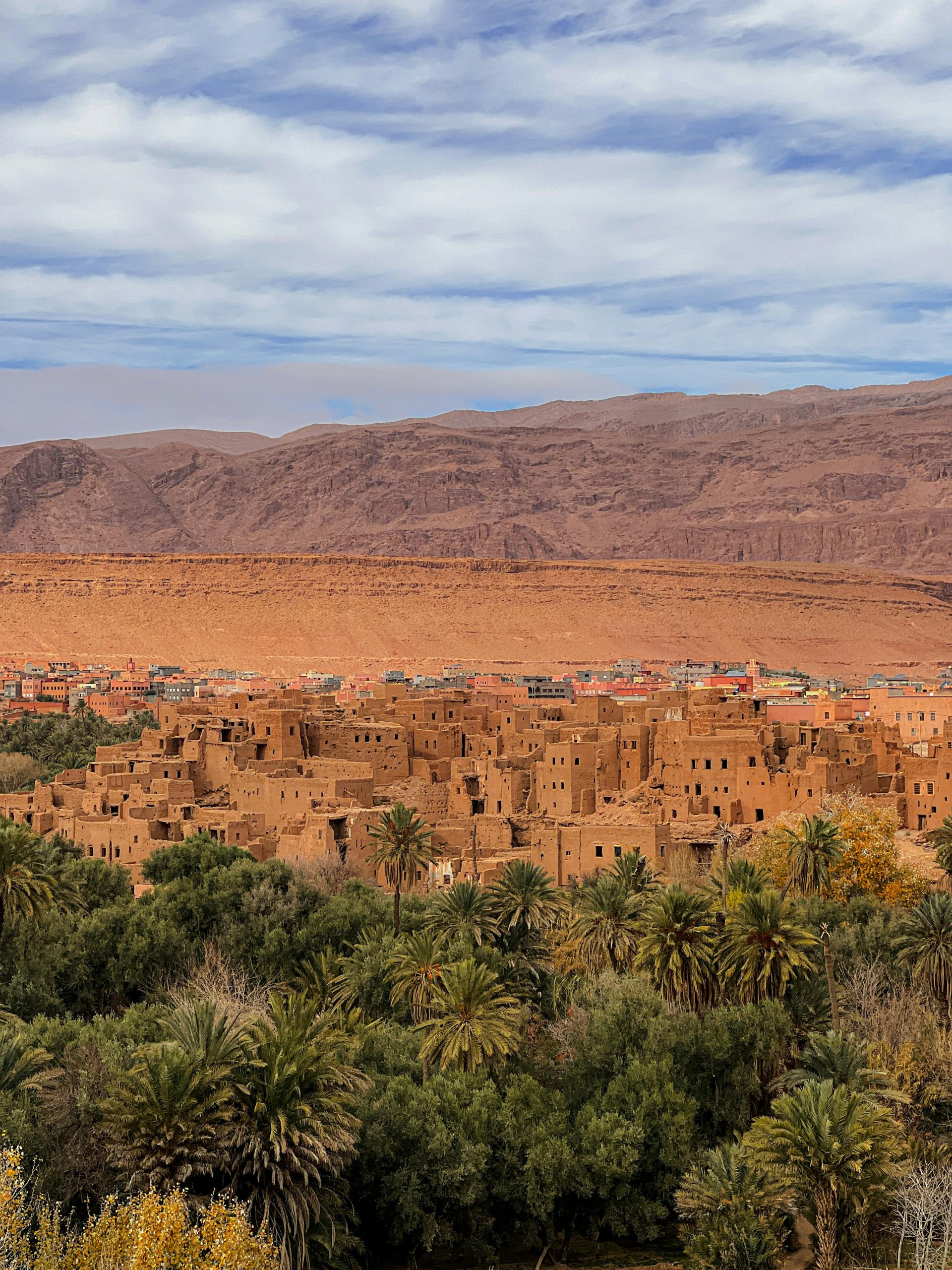
Morocco offers diverse landscapes and a rich cultural heritage. Its Moroccan cuisine and traditional food attract travelers worldwide. From Marrakech to Essaouira, dishes showcase history, geography, and local traditions. Explore our Marrakech Culinary Tours to taste authentic Moroccan dishes.
The Spices of Life in Moroccan Cuisine
Spices define Moroccan food and traditional dishes.
Chefs blend them carefully to create rich, layered flavors.
Cumin, coriander, saffron, cinnamon, and turmeric appear in most meals.
Ras el hanout is the classic Moroccan spice mix.
Each vendor prepares it uniquely, giving dishes distinct aromas.
These spices make meals warm, aromatic, and unforgettable.
Learn more about Moroccan spices here.
Image suggestion: <img src="spices.jpg" alt="Moroccan cuisine and traditional food – spices">
Tagine – Iconic Moroccan Cuisine Dish
Tagine is a symbol of Moroccan cuisine and traditional food.
It takes its name from the clay cooking pot.
Chefs cook it slowly with meat, vegetables, and spices.
Popular types include lamb with prunes and almonds.
Chicken with preserved lemons and olives is another favorite.
Vegetable tagines highlight fresh seasonal produce.
Slow cooking blends flavors perfectly, making dishes tender and rich.
Image suggestion: <img src="tagine.jpg" alt="Moroccan cuisine and traditional food – tagine dish">
Join our Moroccan Cooking Classes to learn tagine preparation.
Couscous – The National Moroccan Dish
Couscous is a staple of Moroccan cuisine and traditional food.
People steam semolina grains and serve them with meat or vegetables.
Families traditionally enjoy couscous on Fridays.
It represents sharing, family, and community.
Fluffy grains with rich sauce make a wholesome and satisfying meal.
Image suggestion: <img src="couscous.jpg" alt="Moroccan cuisine and traditional food – couscous meal">
Street Food – Everyday Moroccan Dishes
Moroccan street food offers casual, authentic flavors.
B’stilla combines sweet and savory in crispy pastry.
It contains chicken or pigeon, almonds, and Moroccan spices.
Msemen is a layered flatbread, served with honey or fillings.
Harira soup mixes tomatoes, lentils, chickpeas, and lamb.
Street food gives travelers a taste of daily Moroccan life.
Image suggestion: <img src="streetfood.jpg" alt="Moroccan cuisine and traditional food – street food">
Explore our Essaouira Food Tour for street food experiences.
Moroccan Desserts and Traditional Sweets
Desserts highlight Morocco’s love for sweetness.
Chebakia features fried dough coated in honey and sesame.
Kaab el ghzal are almond-filled pastries with orange blossom water.
Fresh oranges and dates often accompany meals.
These desserts showcase natural flavors and Moroccan culinary art.
Image suggestion: <img src="desserts.jpg" alt="Moroccan cuisine and traditional food – desserts">
The Moroccan Tea Ceremony
The tea ceremony is a key part of Moroccan food culture.
Mint tea uses green tea, fresh mint, and sugar.
Pouring from a height creates froth and enhances aroma.
Sharing tea symbolizes hospitality, relaxation, and social connection.
Enjoying tea offers a moment of cultural immersion.
Image suggestion: <img src="minttea.jpg" alt="Moroccan cuisine and traditional food – mint tea ceremony">
Conclusion – Explore Moroccan Cuisine and Traditional Food
Moroccan cuisine offers a feast for the senses.
It combines rich flavors, aromas, and textures in every dish.
From tagines to couscous, every meal tells a story.
Street food provides authentic everyday flavors.
Join our Moroccan Culinary Tours to experience unforgettable meals.
Taste Morocco and enjoy a true cultural and culinary journey.