Citizens of many countries, including the US, Canada, UK, and EU countries, can enter Morocco visa-free for stays of up to 90 days. However, it’s always best to check with Moroccan embassies or consulates for the most up-to-date visa requirements based on your nationality.
Morocco is a country of diverse landscapes and climates; therefore, it offers something unique in every season. Whether you are interested in culture, trekking, desert adventures, or coastal relaxation, the best time to visit depends mainly on your travel interests. For this reason, the guide below will help you choose the ideal season for your trip.
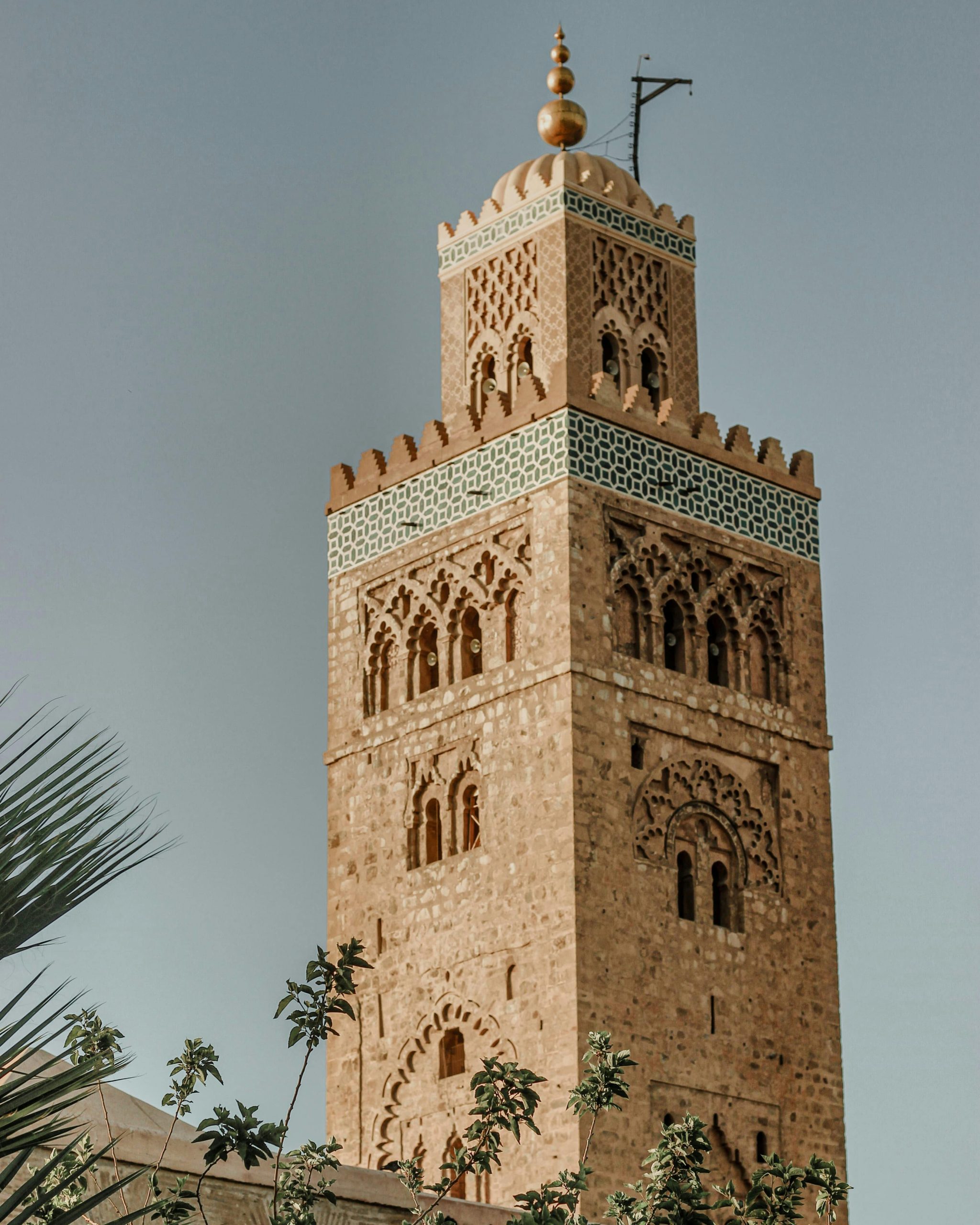
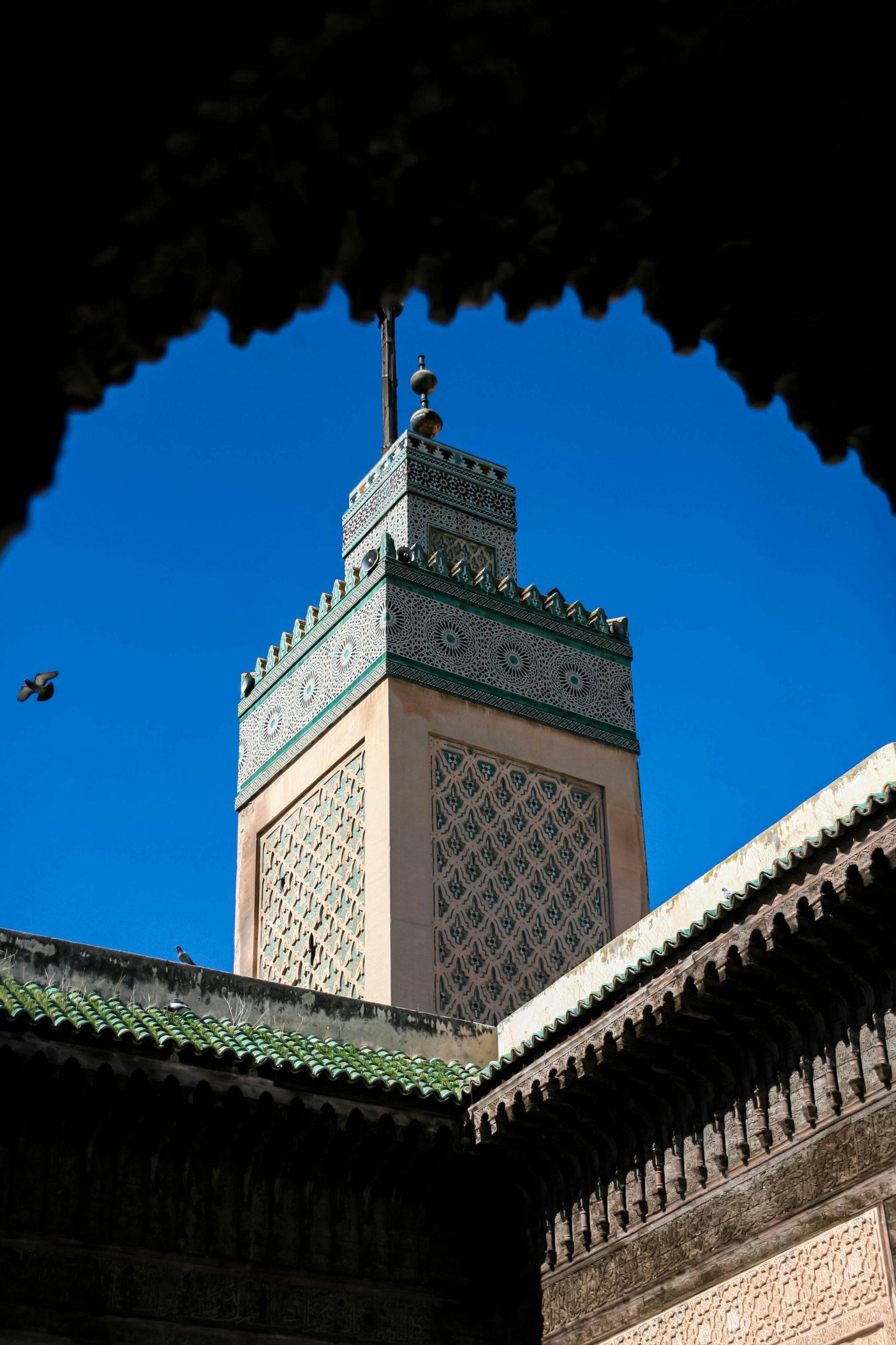
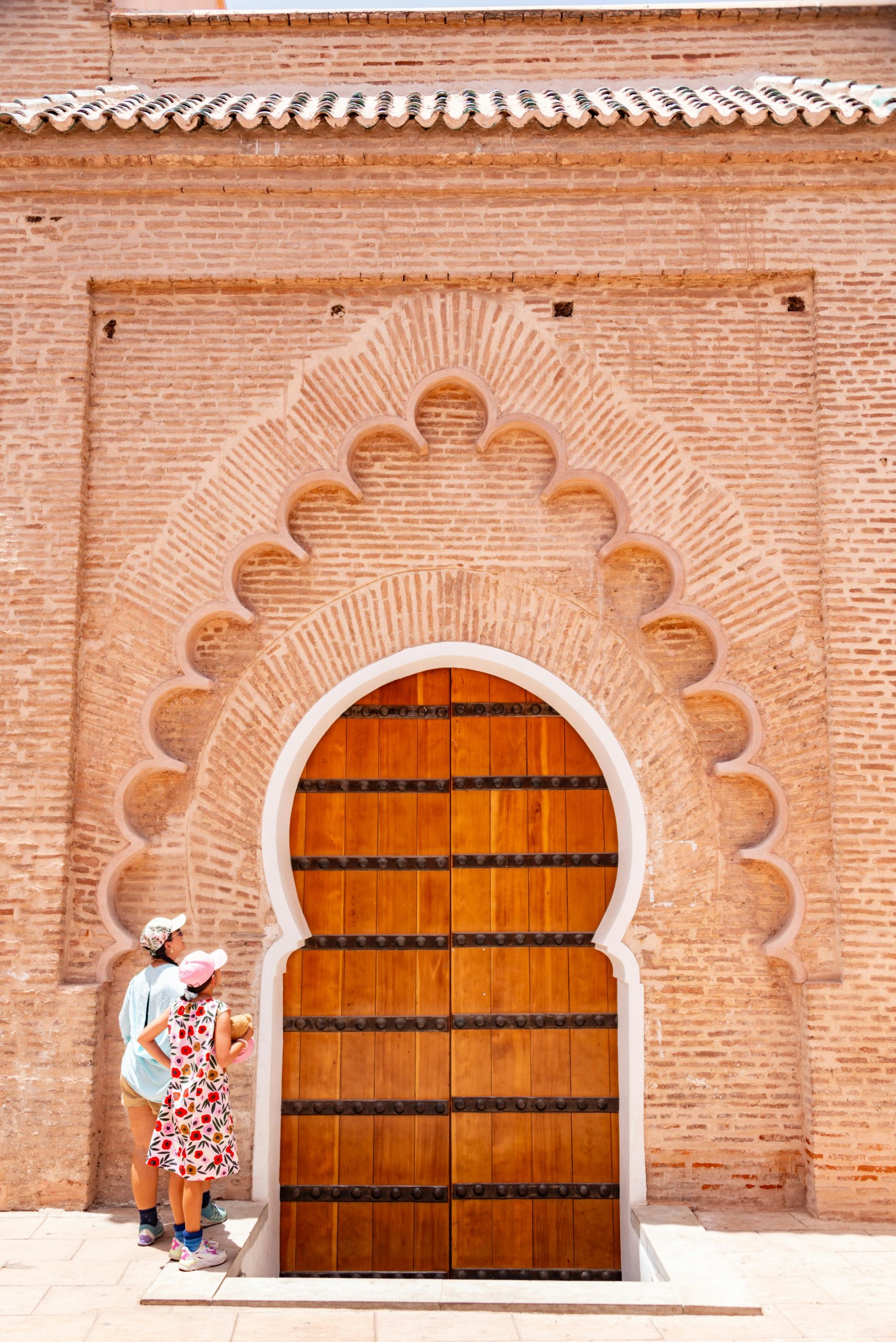
1. Imperial Cities (Marrakech, Fes, Rabat, Meknes)
Why Spring Is Ideal
First of all, spring (March to May) offers mild and pleasant weather.
During this season, temperatures remain comfortable.
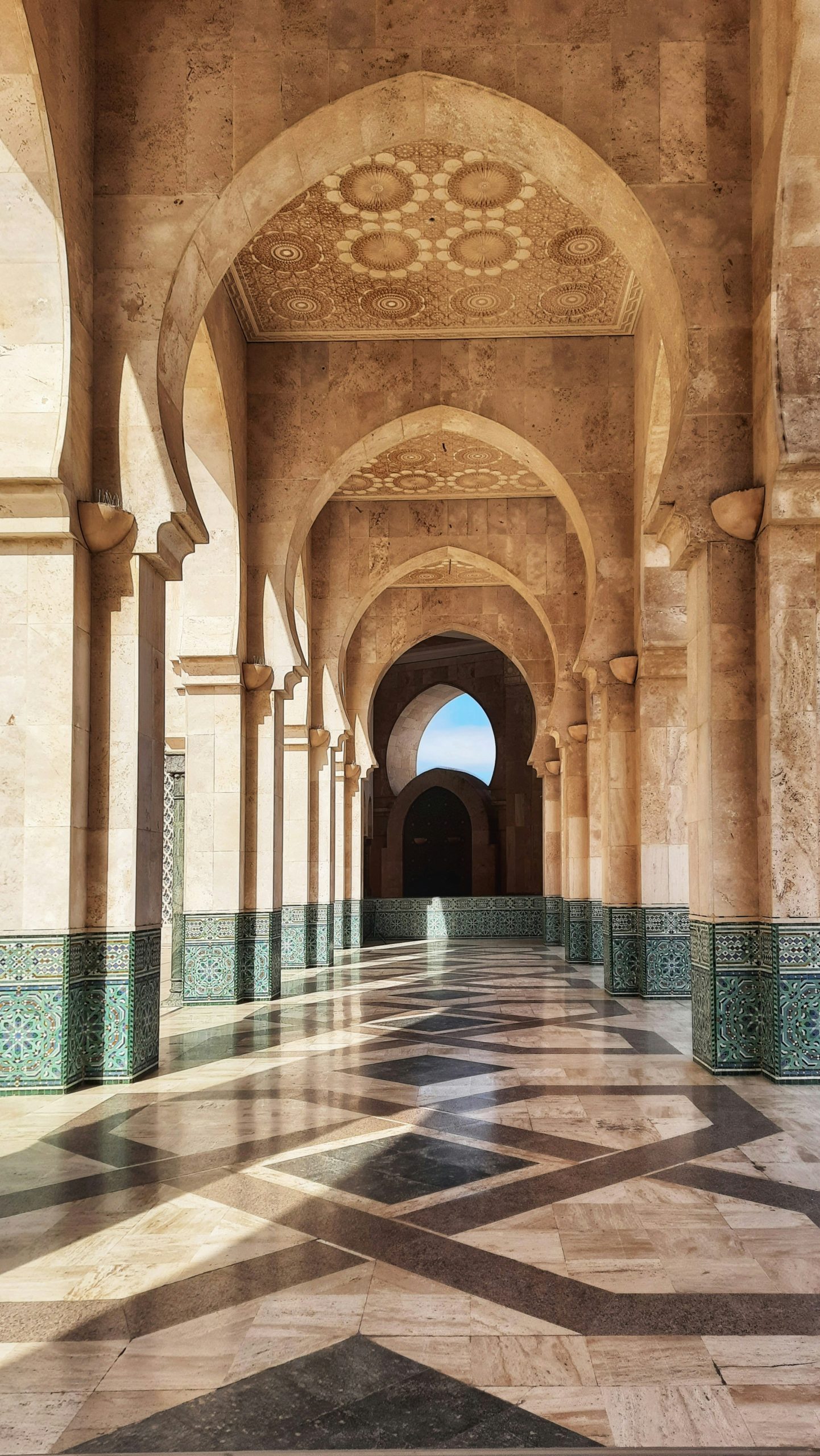
As a result, exploring medinas, palaces, and gardens becomes much more enjoyable.
In addition, blooming flowers make the cities even more attractive.
Why Autumn Is Also Perfect
Similarly, autumn (September to November) provides cooler days after the intense summer heat.
Consequently, sightseeing becomes easier and more comfortable.
Moreover, tourist crowds are generally smaller.
Summer Travel Tips
Although summer (June to August) can be very hot, especially in Marrakech, travel is still possible.
However, it is better to visit monuments early in the morning.
Likewise, evenings are more pleasant for walking tours.
Winter Advantages
On the other hand, winter (December to February) is cooler.
Nevertheless, this season is ideal for cultural visits without large crowds.
Therefore, winter can be a peaceful time to explore historical sites.
2. Trekking in the Atlas Mountains
Spring Conditions
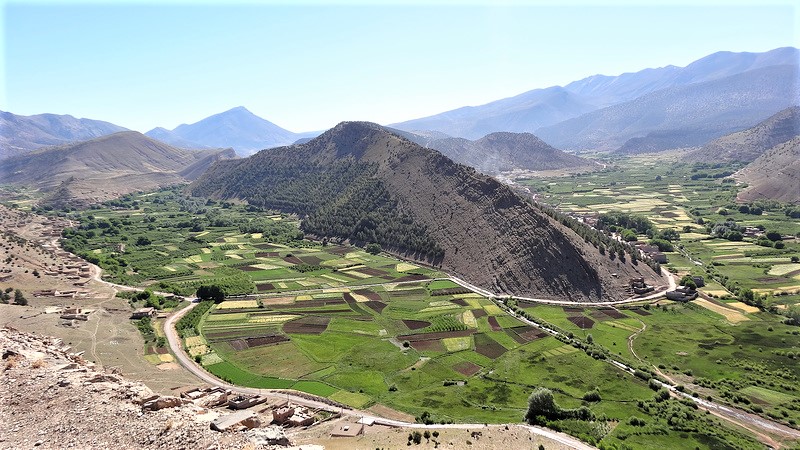
To begin with, spring (April to June) is one of the best seasons for trekking.
During this time, the mountains become green and vibrant.
Furthermore, wildflowers bloom across the valleys.
Because of this, hiking conditions are excellent.
Autumn Conditions
Likewise, autumn (September to October) offers cooler temperatures.
In addition, the skies are usually clear.
As a result, visibility is perfect for panoramic views.
Summer in High Altitude
Meanwhile, summer (July to August) is suitable for high-altitude treks.
Indeed, the mountains provide relief from the heat of the plains.
Therefore, many hikers prefer this period for summit climbs.
Winter Considerations
However, winter (November to March) brings snow to higher peaks.
For this reason, special equipment may be required.
Consequently, lower-altitude treks are generally recommended.
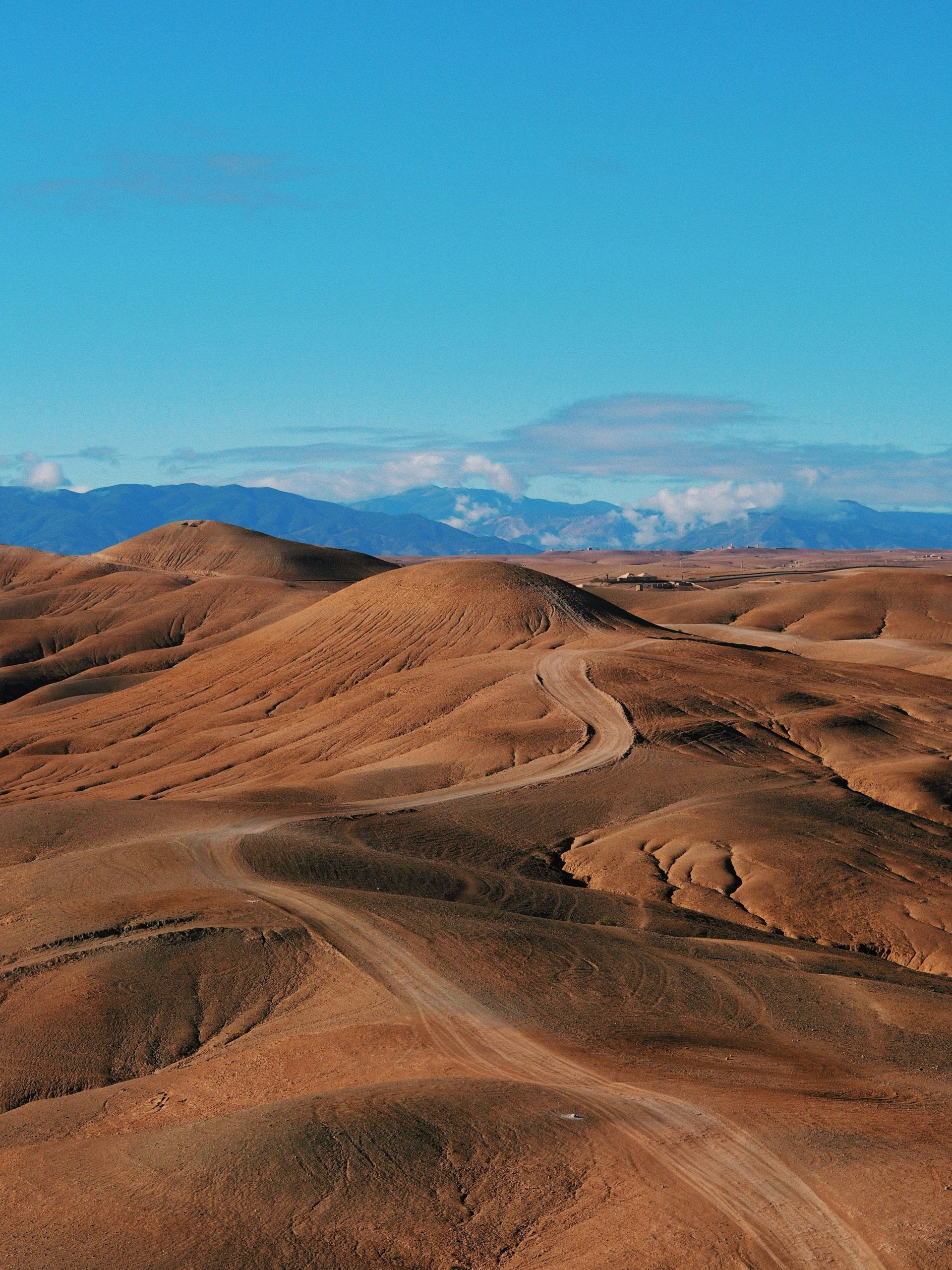
3. Exploring the Desert (Sahara Region)
Best Travel Period
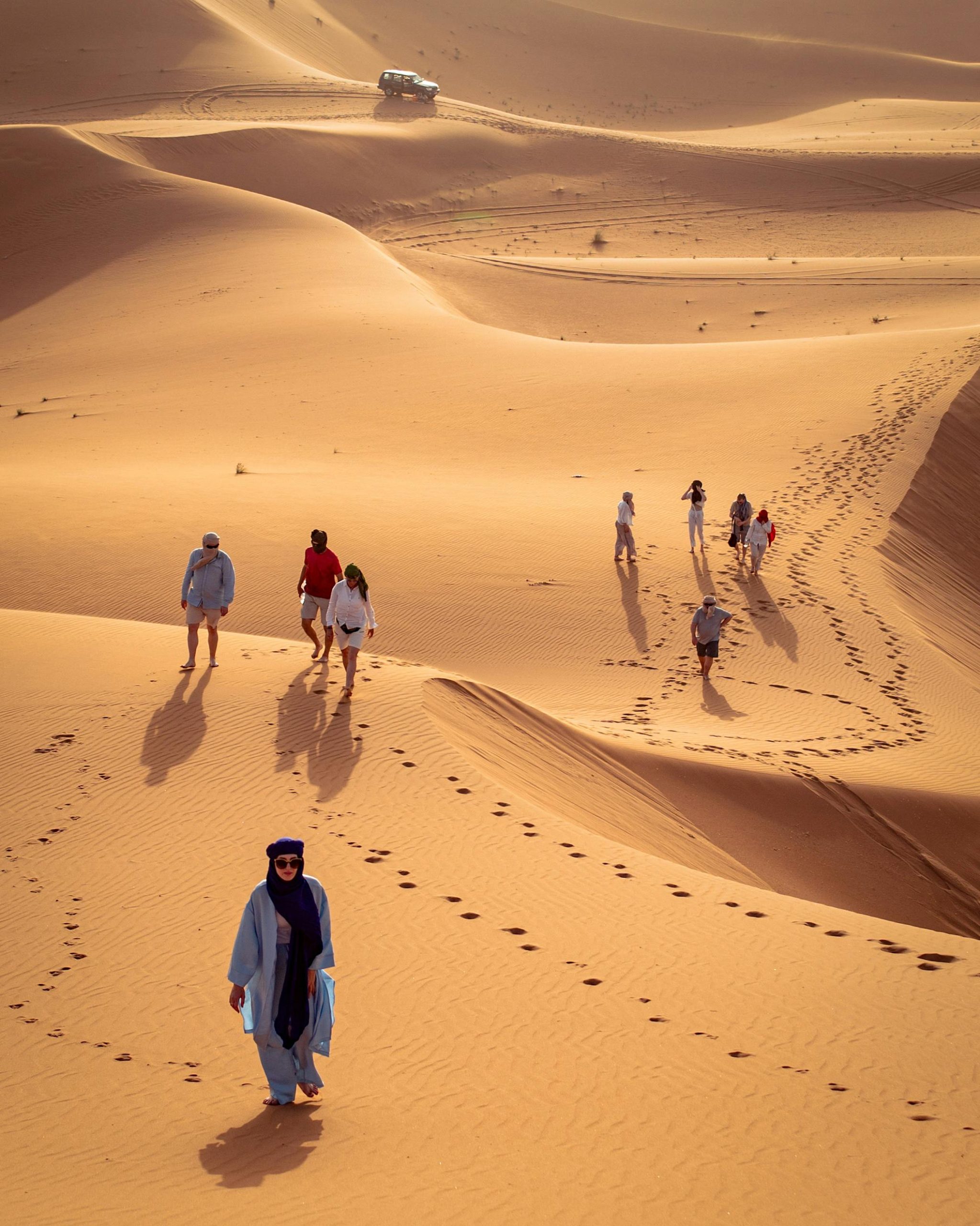
In contrast, the desert is best visited in cooler months.
Ideally, plan your trip between October and April.
During this period, daytime temperatures remain warm and pleasant.
Activities and Comfort
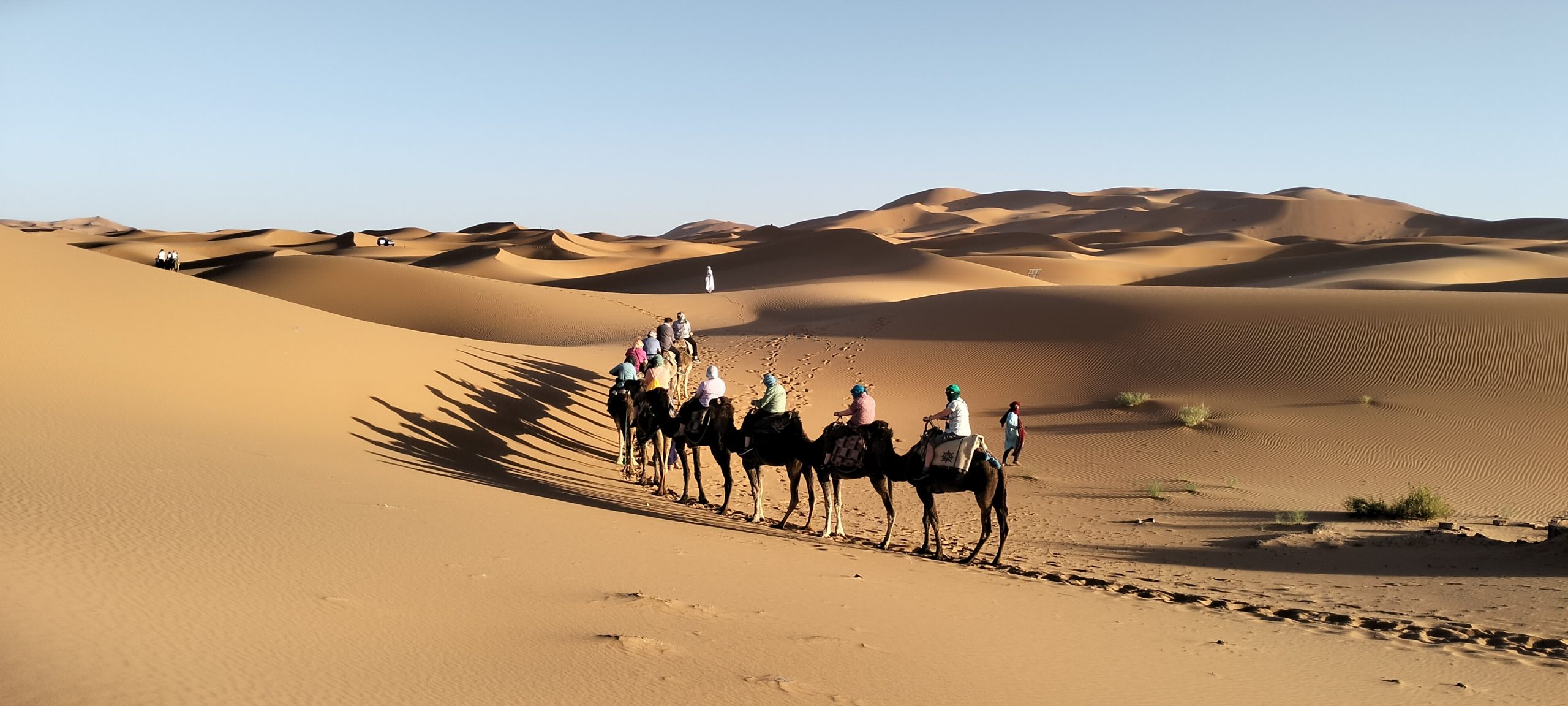
As a result, camel trekking and dune walks become more enjoyable.
Additionally, evenings around the campfire are comfortable and relaxing.
Cold Nights
However, nights can be cold, especially in winter.
Therefore, warm clothing is necessary.
Even so, the clear desert skies make the experience unforgettable.
Avoiding Extreme Heat
By comparison, summer (June to August) is extremely hot.
Indeed, temperatures can exceed 45°C.
Thus, outdoor activities become uncomfortable for most travelers.
4. Relaxing on the Atlantic Coast
Warm Season Benefits
Finally, the Atlantic coast is attractive throughout the year.
Nevertheless, it is especially pleasant from May to October.
During these months, the weather is sunny and bright.
Cooling Ocean Breeze
Moreover, the ocean breeze keeps temperatures moderate.
Therefore, coastal cities remain cooler than inland areas.
Spring and Autumn Balance
In addition, spring and autumn offer fewer crowds.
As a result, beaches and towns feel more relaxed.
Consequently, this period is ideal for surfing or quiet escapes.
5. Seasonal Travel Overview
Cultural Travel
Imperial Cities: March to May, September to November
Mountain Adventures
High Atlas: May to late October
Anti Atlas: February to May, October to late November
Desert Experiences
October to April
Coastal Holidays
May to October
Ultimately, no matter when you visit, Morocco offers unforgettable experiences.
Indeed, its rich culture, diverse landscapes, and warm hospitality make every season special.
Morocco is a country of diverse landscapes and climates, offering something unique in every season. Here’s a guide to help you plan the perfect time for your visit based on your interests:
1. Imperial Cities (Marrakech, Fes, Rabat, Meknes, etc.)
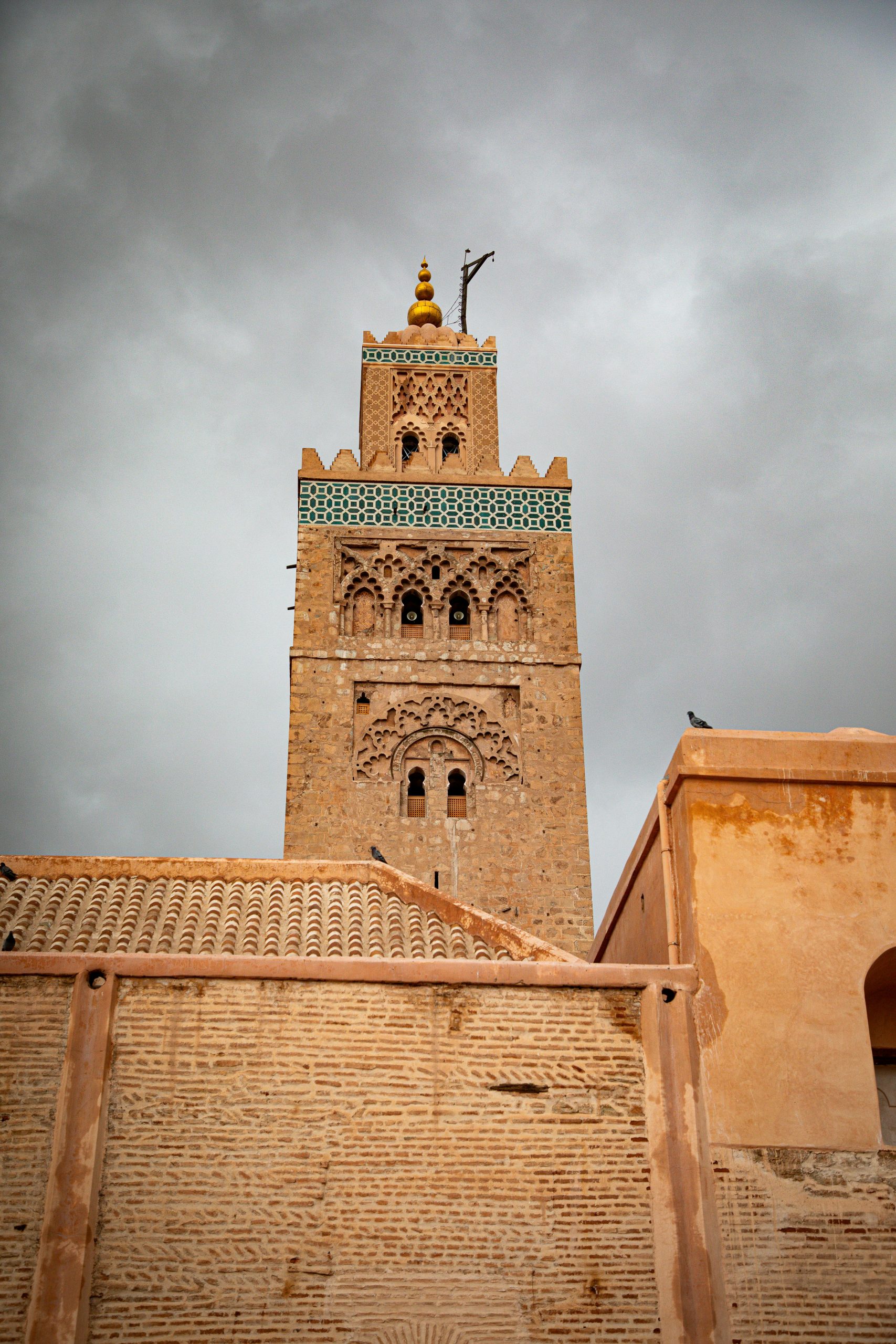
The imperial cities are best explored during the spring (March to May) and autumn (September to November) when the weather is mild and pleasant.
- In spring, the cities come alive with vibrant flowers and comfortable temperatures, perfect for wandering through the medinas, palaces, and gardens.
- Autumn offers cooler days after the summer heat and is another great season for sightseeing.
- While summer (June to August) can be very hot, especially in Marrakech, early mornings and evenings are still enjoyable.
- Winter (December to February) is cooler and ideal for exploring cultural and historical sites without large crowds.
2. Trekking in the Atlas Mountains
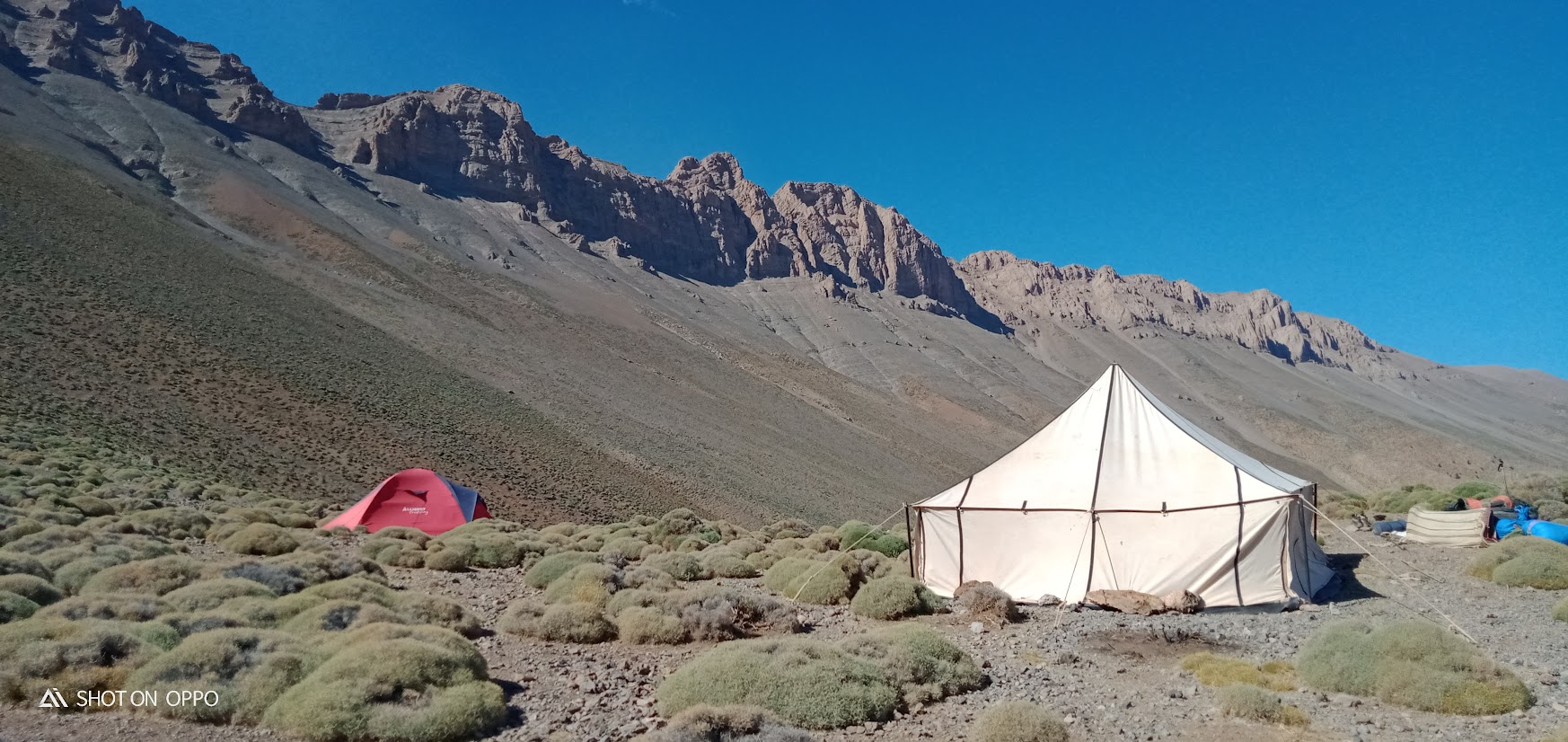
The Atlas Mountains are a paradise for hikers and trekkers, with stunning landscapes and traditional Berber villages.
- The best times for trekking are spring (April to June) and autumn (September to October).
- In spring, the mountains are lush and green, with blooming wildflowers, and the temperatures are just right for long walks.
- Autumn is equally beautiful, with cooler weather and clear skies that are perfect for hiking.
- For high-altitude treks, summer (July to August) is a good option, as the mountains provide relief from the heat of the plains.
- Winter (November to March) is suitable for lower-altitude treks, but snow on higher peaks may require special equipment and guides.
3. Exploring the Desert (Sahara, Erg Chebbi, Erg Chigaga)
The Moroccan desert is a magical destination, best visited in the cooler months.
- The ideal time to explore the desert is between October and April.
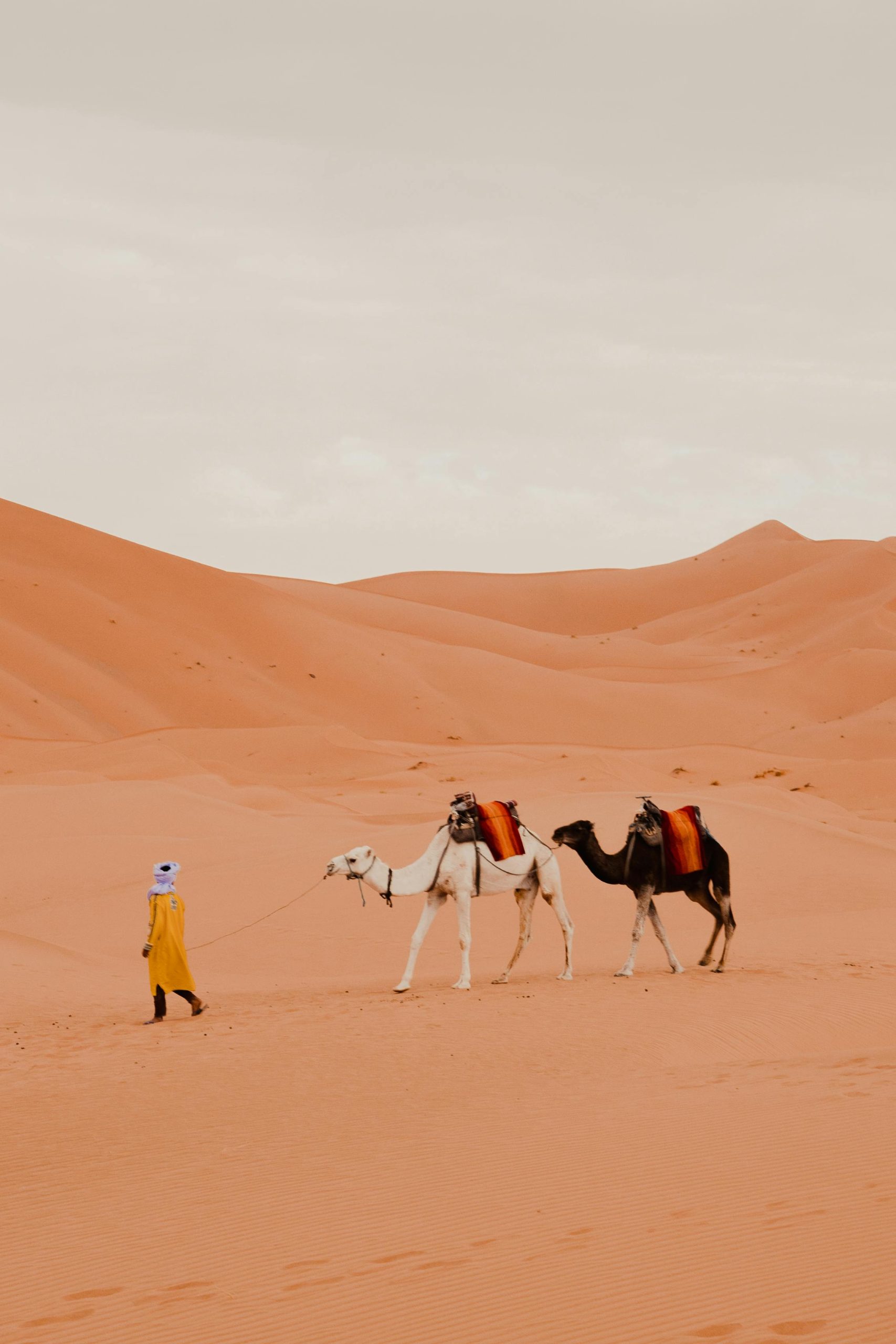
- During these months, the days are warm and pleasant for camel trekking, exploring sand dunes, and enjoying campfires under the stars.
- Nights can get chilly, especially in winter (December to February), so be prepared with warm clothing.
- Avoid the desert in summer (June to August), as temperatures can soar above 45°C (113°F), making it uncomfortable for most activities.
4. Relaxing on the Atlantic Coast (Essaouira, Agadir, Taghazout)
The Atlantic coast is a year-round destination, but it shines in the warmer months.
- The best time to visit the coast is from May to October, when the weather is sunny and warm, with a refreshing breeze from the ocean.
- Summer (June to August): The coastal areas stay cooler than the inland cities, making them a perfect escape from the heat.
- Spring (March to May) and autumn (September to October): These seasons offer pleasant weather and fewer crowds, ideal for surfing, relaxing on the beach, or exploring coastal towns like Essaouira.
In Summary:
- Imperial Cities: March to May, September to November
- Atlas Mountains: April to June, September to October
- Desert: October to April
- Atlantic Coast: May to October
No matter when you visit, Morocco promises unforgettable experiences with its rich culture, stunning landscapes, and warm hospitality.
Morocco is a country of diverse landscapes and climates, offering something unique in every season. Here’s a guide to help you plan the perfect time for your visit based on your interests:
1. Imperial Cities (Marrakech, Fes, Rabat, Meknes, etc.)
The imperial cities are best explored during the spring (March to May) and autumn (September to November) when the weather is mild and pleasant.
- In spring, the cities come alive with vibrant flowers and comfortable temperatures, perfect for wandering through the medinas, palaces, and gardens.
- Autumn offers cooler days after the summer heat and is another great season for sightseeing.
- While summer (June to August) can be very hot, especially in Marrakech, early mornings and evenings are still enjoyable.
- Winter (December to February) is cooler and ideal for exploring cultural and historical sites without large crowds.
2. Trekking in the Atlas Mountains
The Atlas Mountains are a paradise for hikers and trekkers, with stunning landscapes and traditional Berber villages.
- The best times for trekking are spring (April to June) and autumn (September to October).
- In spring, the mountains are lush and green, with blooming wildflowers, and the temperatures are just right for long walks.
- Autumn is equally beautiful, with cooler weather and clear skies that are perfect for hiking.
- For high-altitude treks, summer (July to August) is a good option, as the mountains provide relief from the heat of the plains.
- Winter (November to March) is suitable for lower-altitude treks, but snow on higher peaks may require special equipment and guides.
3. Exploring the Desert (Sahara, Erg Chebbi, Erg Chigaga)
The Moroccan desert is a magical destination, best visited in the cooler months.
- The ideal time to explore the desert is between October and April.
- During these months, the days are warm and pleasant for camel trekking, exploring sand dunes, and enjoying campfires under the stars.
- Nights can get chilly, especially in winter (December to February), so be prepared with warm clothing.
- Avoid the desert in summer (June to August), as temperatures can soar above 45°C (113°F), making it uncomfortable for most activities.
4. Relaxing on the Atlantic Coast (Essaouira, Agadir, Taghazout)
The Atlantic coast is a year-round destination, but it shines in the warmer months.
- The best time to visit the coast is from May to October, when the weather is sunny and warm, with a refreshing breeze from the ocean.
- Summer (June to August): The coastal areas stay cooler than the inland cities, making them a perfect escape from the heat.
- Spring (March to May) and autumn (September to October): These seasons offer pleasant weather and fewer crowds, ideal for surfing, relaxing on the beach, or exploring coastal towns like Essaouira.
In Summary:
- Imperial Cities: March to May, September to November
- Atlas Mountains: April to June, September to October
- Desert: October to April
- Atlantic Coast: May to October
No matter when you visit, Morocco promises unforgettable experiences with its rich culture, stunning landscapes, and warm hospitality.
Morocco is a country of diverse landscapes and climates, offering something unique in every season. Here’s a guide to help you plan the perfect time for your visit based on your interests:
1. Imperial Cities (Marrakech, Fes, Rabat, Meknes, etc.)
The imperial cities are best explored during the spring (March to May) and autumn (September to November) when the weather is mild and pleasant.
- In spring, the cities come alive with vibrant flowers and comfortable temperatures, perfect for wandering through the medinas, palaces, and gardens.
- Autumn offers cooler days after the summer heat and is another great season for sightseeing.
- While summer (June to August) can be very hot, especially in Marrakech, early mornings and evenings are still enjoyable.
- Winter (December to February) is cooler and ideal for exploring cultural and historical sites without large crowds.
2. Trekking in the Atlas Mountains
The Atlas Mountains are a paradise for hikers and trekkers, with stunning landscapes and traditional Berber villages.
- The best times for trekking are spring (April to June) and autumn (September to October).
- In spring, the mountains are lush and green, with blooming wildflowers, and the temperatures are just right for long walks.
- Autumn is equally beautiful, with cooler weather and clear skies that are perfect for hiking.
- For high-altitude treks, summer (July to August) is a good option, as the mountains provide relief from the heat of the plains.
- Winter (November to March) is suitable for lower-altitude treks, but snow on higher peaks may require special equipment and guides.
3. Exploring the Desert (Sahara, Erg Chebbi, Erg Chigaga)
The Moroccan desert is a magical destination, best visited in the cooler months.
- The ideal time to explore the desert is between October and April.
- During these months, the days are warm and pleasant for camel trekking, exploring sand dunes, and enjoying campfires under the stars.
- Nights can get chilly, especially in winter (December to February), so be prepared with warm clothing.
- Avoid the desert in summer (June to August), as temperatures can soar above 45°C (113°F), making it uncomfortable for most activities.
4. Relaxing on the Atlantic Coast (Essaouira, Agadir, Taghazout)
The Atlantic coast is a year-round destination, but it shines in the warmer months.
- The best time to visit the coast is from May to October, when the weather is sunny and warm, with a refreshing breeze from the ocean.
- Summer (June to August): The coastal areas stay cooler than the inland cities, making them a perfect escape from the heat.
- Spring (March to May) and autumn (September to October): These seasons offer pleasant weather and fewer crowds, ideal for surfing, relaxing on the beach, or exploring coastal towns like Essaouira.
In Summary:
- Imperial Cities: March to May, September to November
- High Atlas Mountains: April to October
- Anti Atlas Mountains: October to November , February to Mai
- Desert: October to April
- Atlantic Coast: May to October
No matter when you visit, Morocco promises unforgettable experiences with its rich culture, stunning landscapes, and warm hospitality.
Morocco is a country of diverse landscapes and climates, offering something unique in every season. Here’s a guide to help you plan the perfect time for your visit based on your interests:
1. Imperial Cities (Marrakech, Fes, Rabat, Meknes, etc.)
The imperial cities are best explored during the spring (March to May) and autumn (September to November) when the weather is mild and pleasant.
- In spring, the cities come alive with vibrant flowers and comfortable temperatures, perfect for wandering through the medinas, palaces, and gardens.
- Autumn offers cooler days after the summer heat and is another great season for sightseeing.
- While summer (June to August) can be very hot, especially in Marrakech, early mornings and evenings are still enjoyable.
- Winter (December to February) is cooler and ideal for exploring cultural and historical sites without large crowds.
2. Trekking in the Atlas Mountains
The Atlas Mountains are a paradise for hikers and trekkers, with stunning landscapes and traditional Berber villages.
- The best times for trekking are spring (April to June) and autumn (September to October).
- In spring, the mountains are lush and green, with blooming wildflowers, and the temperatures are just right for long walks.
- Autumn is equally beautiful, with cooler weather and clear skies that are perfect for hiking.
- For high-altitude treks, summer (July to August) is a good option, as the mountains provide relief from the heat of the plains.
- Winter (November to March) is suitable for lower-altitude treks, but snow on higher peaks may require special equipment and guides.
3. Exploring the Desert (Sahara, Erg Chebbi, Erg Chigaga)
The Moroccan desert is a magical destination, best visited in the cooler months.
- The ideal time to explore the desert is between October and April.
- During these months, the days are warm and pleasant for camel trekking, exploring sand dunes, and enjoying campfires under the stars.
- Nights can get chilly, especially in winter (December to February), so be prepared with warm clothing.
- Avoid the desert in summer (June to August), as temperatures can soar above 45°C (113°F), making it uncomfortable for most activities.
4. Relaxing on the Atlantic Coast (Essaouira, Agadir, Taghazout)
The Atlantic coast is a year-round destination, but it shines in the warmer months.
- The best time to visit the coast is from May to October, when the weather is sunny and warm, with a refreshing breeze from the ocean.
- Summer (June to August): The coastal areas stay cooler than the inland cities, making them a perfect escape from the heat.
- Spring (March to May) and autumn (September to October): These seasons offer pleasant weather and fewer crowds, ideal for surfing, relaxing on the beach, or exploring coastal towns like Essaouira.
In Summary:
- Imperial Cities: March to May, September to November
- Atlas Mountains: April to June, September to October
- Desert: October to April
- Atlantic Coast: May to October
No matter when you visit, Morocco promises unforgettable experiences with its rich culture, stunning landscapes, and warm hospitality.
Morocco is a country of diverse landscapes and climates, offering something unique in every season. Here’s a guide to help you plan the perfect time for your visit based on your interests:
1. Imperial Cities (Marrakech, Fes, Rabat, Meknes, etc.)
The imperial cities are best explored during the spring (March to May) and autumn (September to November) when the weather is mild and pleasant.
- In spring, the cities come alive with vibrant flowers and comfortable temperatures, perfect for wandering through the medinas, palaces, and gardens.
- Autumn offers cooler days after the summer heat and is another great season for sightseeing.
- While summer (June to August) can be very hot, especially in Marrakech, early mornings and evenings are still enjoyable.
- Winter (December to February) is cooler and ideal for exploring cultural and historical sites without large crowds.
2. Trekking in the Atlas Mountains
The Atlas Mountains are a paradise for hikers and trekkers, with stunning landscapes and traditional Berber villages.
- The best times for trekking are spring (April to June) and autumn (September to October).
- In spring, the mountains are lush and green, with blooming wildflowers, and the temperatures are just right for long walks.
- Autumn is equally beautiful, with cooler weather and clear skies that are perfect for hiking.
- For high-altitude treks, summer (July to August) is a good option, as the mountains provide relief from the heat of the plains.
- Winter (November to March) is suitable for lower-altitude treks, but snow on higher peaks may require special equipment and guides.
3. Exploring the Desert (Sahara, Erg Chebbi, Erg Chigaga)
The Moroccan desert is a magical destination, best visited in the cooler months.
- The ideal time to explore the desert is between October and April.
- During these months, the days are warm and pleasant for camel trekking, exploring sand dunes, and enjoying campfires under the stars.
- Nights can get chilly, especially in winter (December to February), so be prepared with warm clothing.
- Avoid the desert in summer (June to August), as temperatures can soar above 45°C (113°F), making it uncomfortable for most activities.
4. Relaxing on the Atlantic Coast (Essaouira, Agadir, Taghazout)
The Atlantic coast is a year-round destination, but it shines in the warmer months.
- The best time to visit the coast is from May to October, when the weather is sunny and warm, with a refreshing breeze from the ocean.
- Summer (June to August): The coastal areas stay cooler than the inland cities, making them a perfect escape from the heat.
- Spring (March to May) and autumn (September to October): These seasons offer pleasant weather and fewer crowds, ideal for surfing, relaxing on the beach, or exploring coastal towns like Essaouira.
In Summary:
- Imperial Cities: March to May, September to November
- Atlas Mountains: April to June, September to October
- Desert: October to April
- Atlantic Coast: May to October
No matter when you visit, Morocco promises unforgettable experiences with its rich culture, stunning landscapes, and warm hospitality.
Morocco is a Muslim-majority country with a diverse culture. In cities like Marrakech and Casablanca, Western clothing is generally acceptable, but it’s respectful to dress modestly, especially in more conservative rural areas and religious sites. For women, a scarf to cover the head may be useful when visiting mosques.
Overall, Morocco is considered a safe destination for tourists. However, like any travel destination, it’s important to exercise caution, particularly in crowded places and tourist areas where pickpocketing can occur. It’s also advisable to be mindful of scams and to drink bottled water.
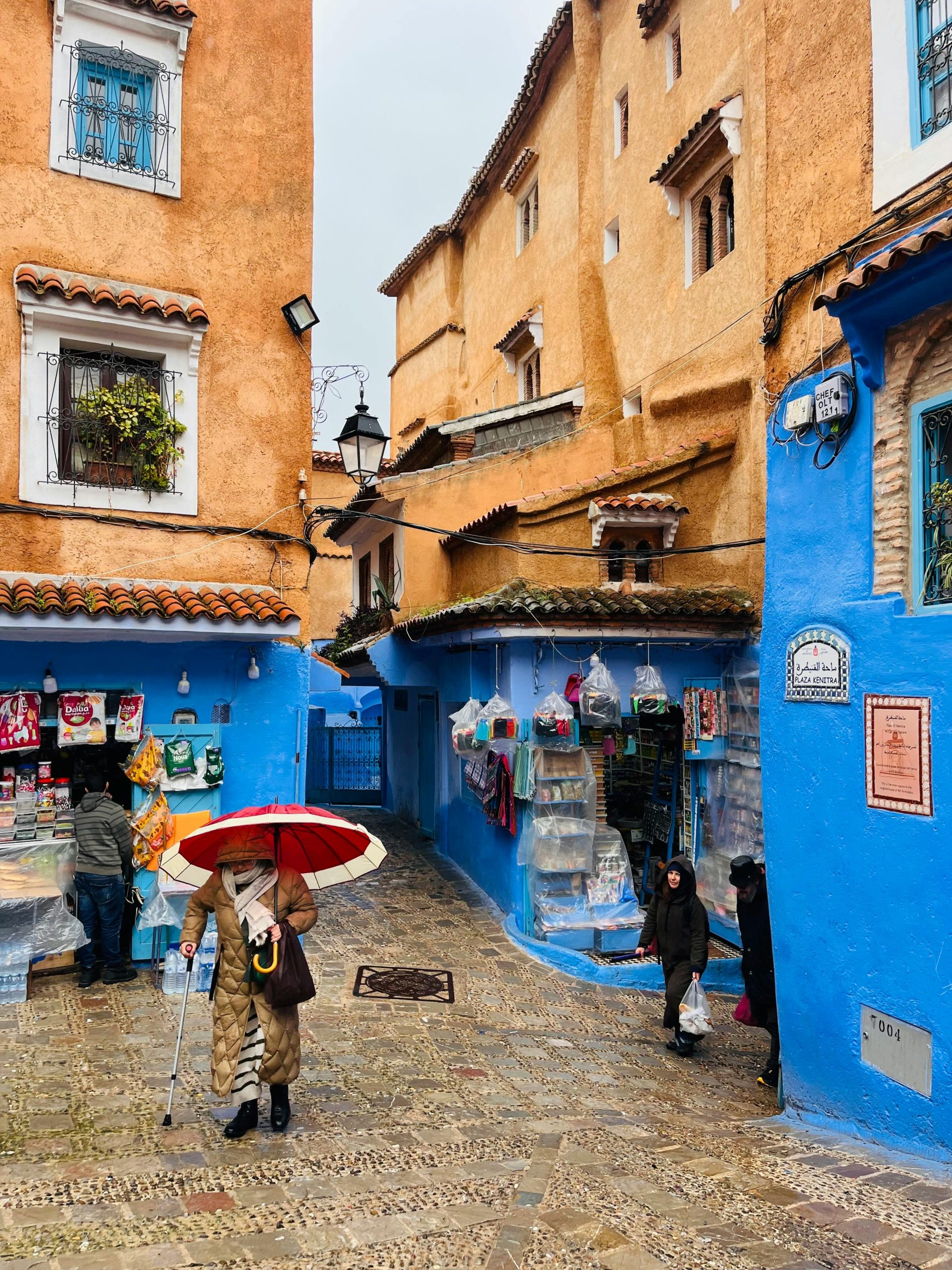
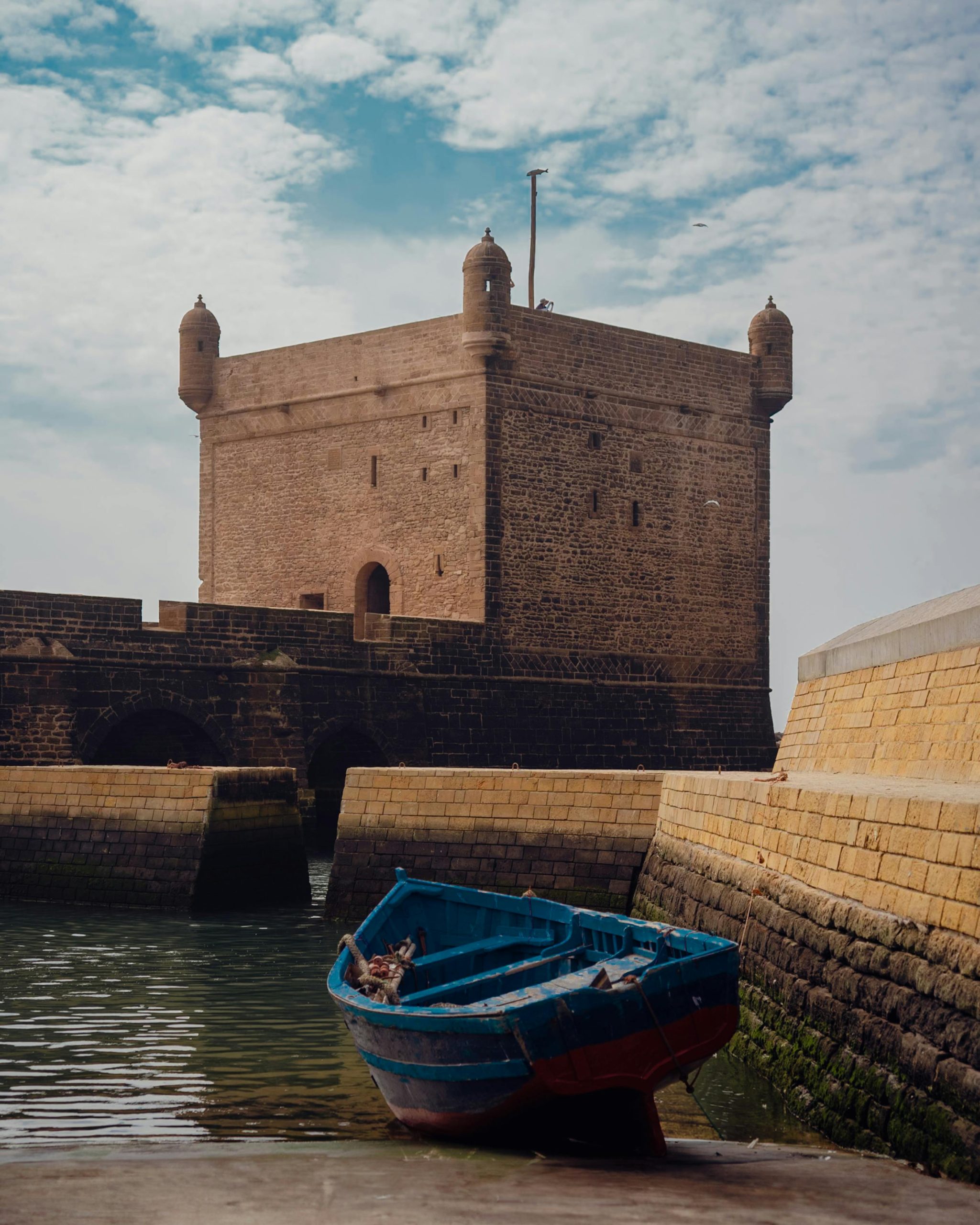
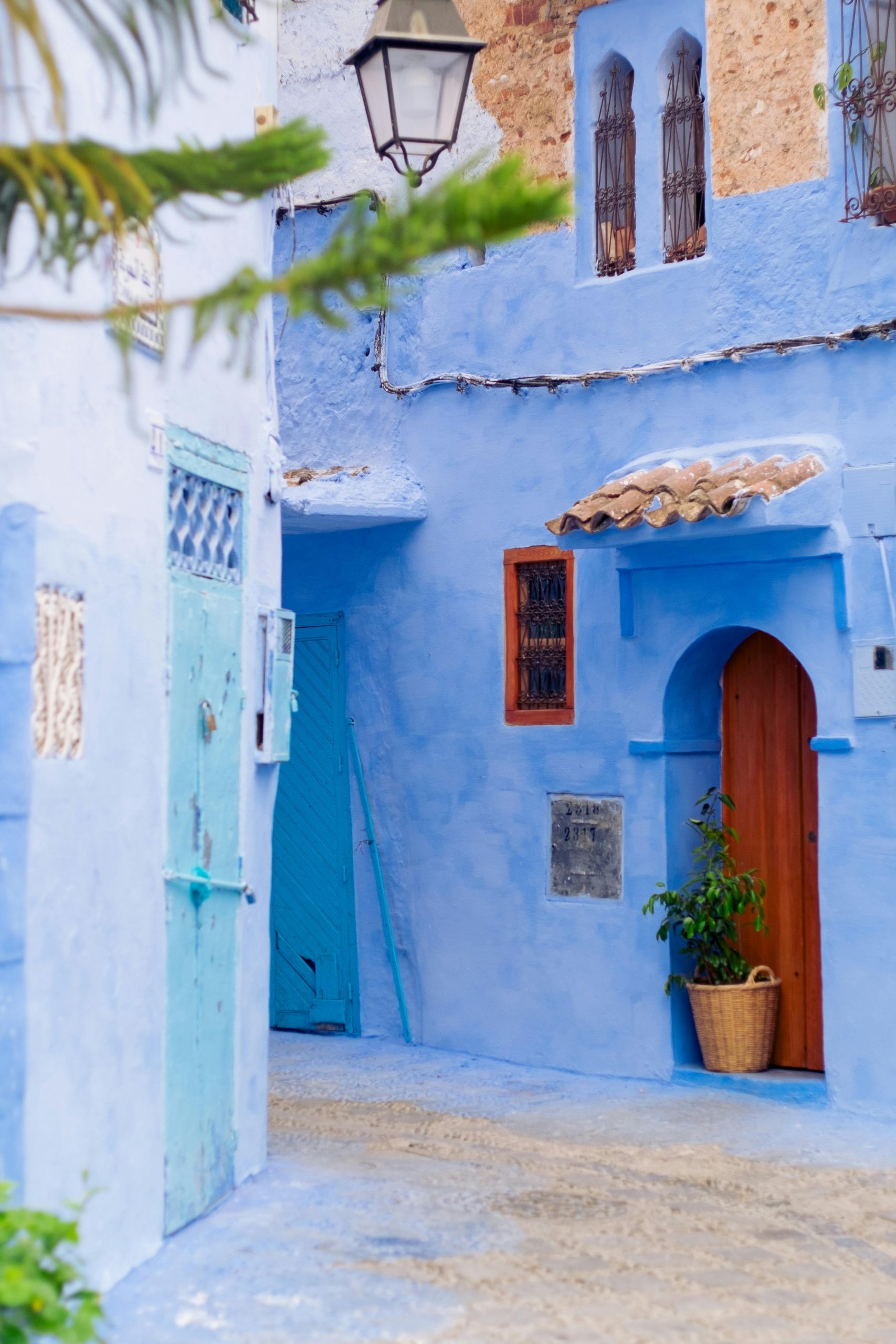
Some of the top destinations include Marrakech with its bustling souks and historic medina, the blue city of Chefchaouen, the coastal city of Essaouira, the Atlas Mountains for trekking, and the Sahara Desert for camel rides and overnight stays in desert camps.
Moroccan cuisine is flavorful and diverse, known for dishes such as tagine (slow-cooked stew), couscous, pastilla (a savory pastry), and mint tea. Street food is also popular, with options like kebabs and pastries available in medinas and markets.
It’s customary to greet people with « Salam alaykum » (peace be upon you) and respond with « Wa alaykum as-salam » (and peace be upon you). When visiting mosques, non-Muslims are usually not allowed inside during prayer times and should dress modestly. Bargaining is expected in souks and markets.
Transportation options include trains, buses, and taxis. Trains are efficient for longer distances between major cities, while buses are a more economical choice for shorter trips and rural areas. Taxis are widely available in cities and can be hired for shorter distances.
Popular souvenirs include traditional Moroccan carpets and rugs, leather goods (such as bags and slippers), ceramics, spices, argan oil products, and intricate metal lanterns. Bargaining is common when shopping in souks.
Arabic is the official language, while French is widely used in business and government. Many Moroccans also speak Moroccan Arabic (Darija) and some English, especially in tourist areas.
EXPLORATION
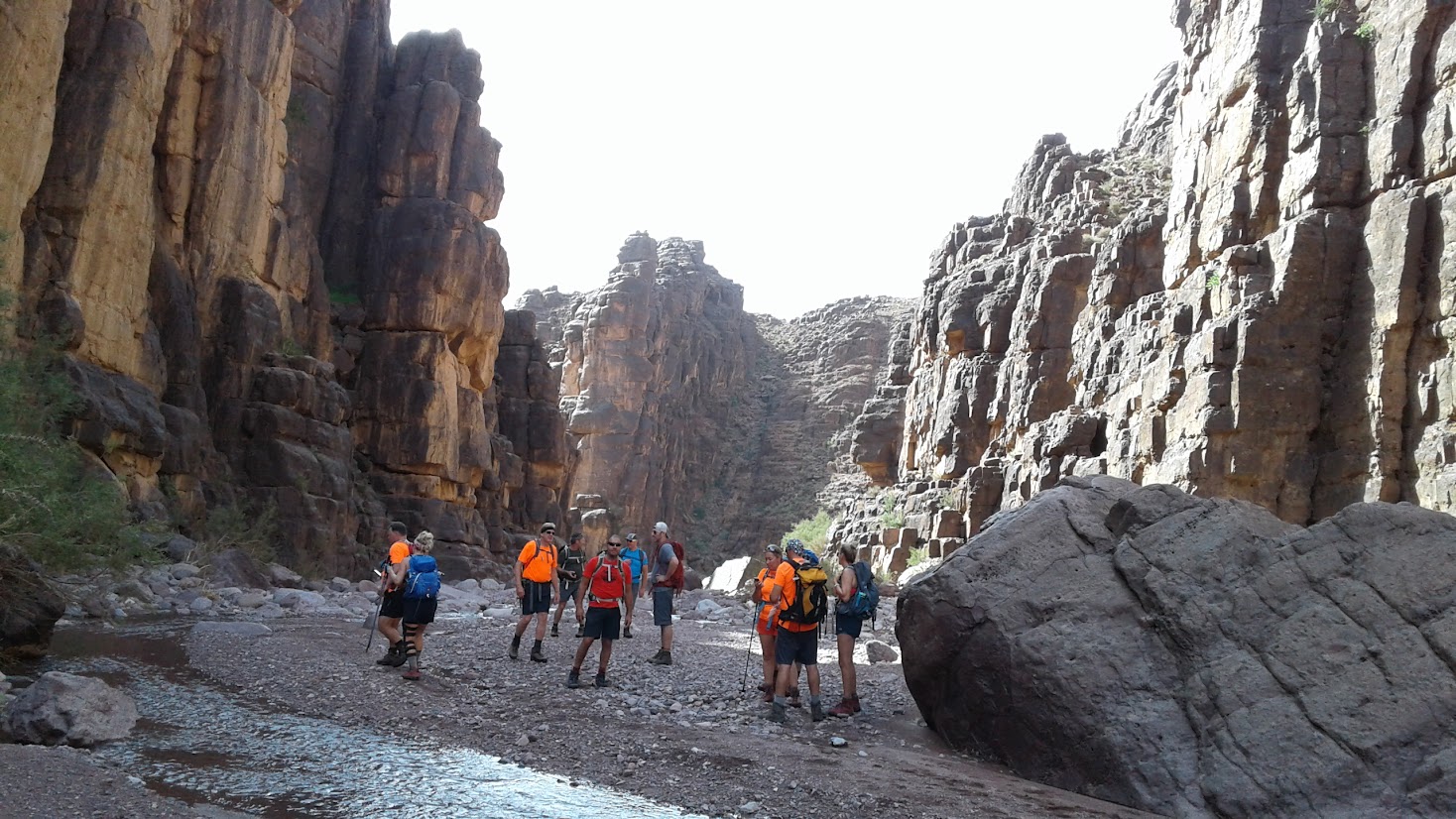
Immerse yourself in the most captivating sites of the country or region through accessible and enriching walks. These day-long excursions come with vehicle support and/or fixed accommodations, making them perfect for everyone, from beginners to intermediate explorers (Levels 1 to 2). Check out all our exploration trips!
- Level 1: Easy walks lasting less than 4 hours a day on paths, trails, or tracks, accessible to anyone in good physical condition who enjoys walking.
- Level 2: Moderate hikes of 4 to 5 hours a day on varied terrain, including paths, trails, or gently rolling landscapes.
HIKING
Dive deeper into your exploration of a region or country with hikes that range from loop trails to point-to-point treks. These adventures cater to different fitness levels, from 2 to 6. Discover all our hiking trips!
- Level 2: Moderate hikes of 4 to 5 hours a day on tracks, trails, or gently undulating paths.
- Level 3: (On average) Hikes lasting 5 hours a day with approximately 600 to 800 meters of elevation gain or up to 15 kilometers in distance.
- Level 4: (On average) Hikes lasting 6 hours a day on and off trails, with 700 to 1,000 meters of elevation gain or distances between 15 and 18 kilometers. May include some higher-altitude sections.
- Level 5: Challenging hikes of more than 6 hours a day, often off trails or on rough terrain, with elevation gains exceeding 1,000 meters and/or distances over 20 kilometers. High-altitude sections may be involved.
- Level 6: (On average) Intense hikes of 7 to 8 hours a day on technical terrain or off trails, with over 1,000 meters of elevation gain and/or distances of 20 kilometers or more. Frequent high-altitude sections included.
BUDGET
We carefully design our itineraries to provide you with the best value for your money.
What’s Included
- Guidance from a professional guide (except for self-guided trips).
- Local transfers ( bus, 4×4,Auto Bus , etc.) as described in the itinerary.
- Accommodation as specified in the itinerary.
- Meals as detailed in the itinerary.
- Support from a local team (drivers, cooks, muleteers, porters, etc).
- Camping and cooking equipment, when required.
- Technical and safety equipment, when necessary.
Note: This list is for guidance only. Detailed information is available in your trip’s technical description.
What’s Not Included
- Registration fees.
- Travel insurance.
- Meals in arrival and departure cities .
- Drinks.
- Visa fees.
- Tips.
YOUR TEAM
You’ll be guided by a certified guide fluent in English, French, Arabic, and Berber.
Local Support Team
- A dedicated driver for transportation.
- A skilled cook who will introduce you to delicious Moroccan specialties.
TRANSPORTATION
Transfers are provided in comfortable minibuses. All vehicles used on the ground are certified and approved for tourist transport, exclusively reserved for your group.
Please note that wearing a seatbelt is mandatory at all times.
MEALS
- Breakfast: A hearty meal with coffee, tea, hot chocolate, jam, butter, bread, and cereals.
- Lunch: Picnics or meals prepared by the cook using fresh, local ingredients.
- Dinner: Soup, a main course (tajine, couscous, rice, etc.), dessert, and mint tea or herbal tea.
- During the day: Energy snacks like dates, peanuts, pralines, and biscuits.
- Upon arrival at camp: Tea and treats such as biscuits, pancakes, or fritters.
- Special New Year’s Menu: Enhanced meals with Moroccan pastries.
Drinks
In Morocco, it’s best to avoid untreated water, whether from a tap, spring, or well. Water provided at accommodations must be treated with purification tablets (like Micropur).
To reduce plastic waste, our guides can help you buy large water bottles (10 liters for €10) for group use. Bring your own reusable water bottle (preferably insulated).Special Diets
Unfortunately, gluten-free diets cannot be accommodated by our local providers.
LUGGAGE TRANSPORTATION
Your luggage, limited to a maximum of 12 kg, will be transported by vehicles. You’ll only need to carry a light backpack during your hike, containing essentials for the day.
GOOD TO KNOW
Ramadan in Morocco
In 2025, Ramadan will take place from March 1 to March 30, followed by Eid al-Fitr starting on March 31, which may result in two or three public holidays.
Ramadan is one of the five pillars of Islam, alongside the profession of faith, pilgrimage to Mecca, daily prayers, and giving alms. Tradition holds that the Angel Gabriel appeared to the Prophet Muhammad on the 27th night of Ramadan to reveal the Quran. This “Night of Destiny” (Laylat al-Qadr) is a cornerstone of Islamic belief, and fasting during the holy month honors this sacred event.
What to Expect During Ramadan
The rhythm of daily life shifts significantly during this period:- People tend to stay up late and rise late.
- Daytime activities slow down, with life coming alive after sunset when the fast is broken.
- Many restaurants and cafes are closed during the day, especially outside major cities.
Plan ahead for meals, relying on hotel services or the limited options still open in large cities, with the help of our local team.
Cultural Considerations
Out of respect for the local customs:- Avoid eating, drinking, or smoking in public, even though Moroccans are generally very tolerant.
- Alcohol consumption is discreet—restaurants that serve alcohol typically cater to non-Muslim tourists indoors, not on open terraces.
- Important: Establishments may decline to serve alcohol or food to dual citizens (e.g., French-Moroccan).
- Finding a taxi an hour before sunset can be nearly impossible, as everyone rushes home to break the fast—plan your transportation carefully!
But Ramadan is much more than just these adjustments. It’s a time of family gatherings, vibrant traditions, and tables laden with special dishes like harira soup, tagines, and sweet honeyed pastries. It’s a feast for the senses and a celebration of community spirit.
CURRENCY IN MOROCCO
The currency is the Moroccan dirham (MAD).
- Exchange rate (2024, approximate): €1 ≈ 10 MAD.
- $ 1 = 9 MAD
- It’s best to bring euros in cash, which you can exchange at airports, hotels, or banks.
In major cities, ATMs are widely available and accept most international cards (Visa, Mastercard, etc.). You’ll also find ATMs in the arrivals hall at Marrakech Airport. Credit cards are accepted in most shops, restaurants, and hotels in urban areas.